Crawl Space Water Removal in Snohomish, WA
Pooled water under a raised floor soaks insulation and framing quietly. Snohomish crews pump the space, remove what cannot be saved and dry the joists, with readings kept for the adjuster.
(888) 509-1696Crawl space dispatch for Snohomish owners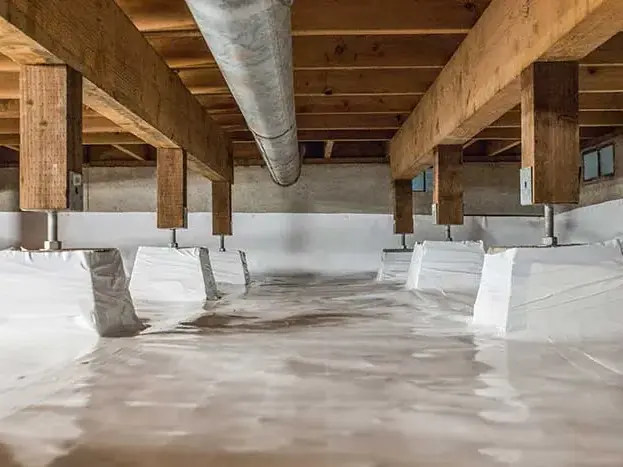
What to do first about crawl space water removal in Snohomish
- 1
Open and inspect the space
The crew checks the access, notes the foundation type and measures water depth and wet materials before any pump goes in.
- 2
Pump out the pooled water
A submersible pump moves the standing water to a safe discharge point, and a wet vacuum clears the low spots the pump cannot reach.
- 3
Remove what will not dry
Soaked batts, a torn vapor barrier and debris are bagged and hauled out so the framing can dry without wet material resting against it.
- 4
Dry and confirm the readings
Air movers and a dehumidifier run under the floor while joist and subfloor readings are logged daily, and the equipment stays until they come back to normal.
What does crawl space water removal cost in Snohomish, WA?
Pump-out and drying usually runs $1,800 to $4,000, and adding insulation removal moves it to $4,000 to $8,500. Contaminated or long-standing water falls in the $8,500 to $18,000 tier because cleanup and drying take longer.
Pump-out and drying
$1,800 to $4,000
- Pooled water pumped out
- Drying gear placed below the floor
- Framing readings each day
With insulation removal
$4,000 to $8,500
- Soaked batts bagged for disposal
- Damaged barrier cut out
- Extra days on joists and subfloor
Contaminated or long-standing water
$8,500 to $18,000
- Category 3 cleanup and antimicrobial
- Mud and debris hauled out
- Containment and extended drying
These are typical ranges, never a quote. The water category, the wet square footage, the material class and how soon drying began move the total most. The water damage cost calculator narrows it for your own loss.
How the crawl space water removal job runs in Snohomish
The walkthrough tech takes moisture readings before a single air mover goes down, so the plan follows what is actually wet. The drying team leaves the equipment running until the meters, not the look of the room, say the job is dry.
- 1
Inspect the space
Access points, water depth, foundation type and wet materials are checked and photographed before pumping starts.
- 2
Pump and extract
Submersible pumps and a wet vacuum take out standing water, with the discharge routed away from the foundation.
- 3
Strip and dry
Wet insulation and barrier come out, then air movers and dehumidifiers run until joists and subfloor read dry.
- 4
Verify and document
Final readings, photos and a short summary go into the file the adjuster receives, and the barrier is laid again if it was replaced.
Why crawl space water lingers
- A vapor barrier can hold pooled water against the floor system instead of letting it drain away.
- Wet insulation sags, loses its value and keeps the joists damp for weeks.
- Ducting and wiring routed through the space can end up sitting in the water.
- Damp air from below can carry odors into the rooms above.
A sump pump helps only while it has power and a clear discharge, which is why a storm outage can leave a space flooded.
How the pump-out is handled
The crew sets a submersible pump at the lowest point and runs the discharge well away from the foundation, so the water does not simply cycle back under the house. A wet vacuum then clears the shallow spots between piers that the pump cannot reach.
Crawl spaces are cramped, so the work is slow and physical: technicians crawl in with protective coveralls, bag the wet batts and haul debris out through the access panel. Anything that touched sewage or long-standing water is handled under Category 3 rules.
What gets dried and what gets replaced
- Joists and the subfloor are dried in place and checked with a meter.
- Saturated insulation and a torn vapor barrier are removed and replaced.
- Ducting is inspected and cleaned or swapped if the water reached it.
Related work such as structural drying for the rooms above is added when the floor system reads wet.
Crawl space water removal in Snohomish and the towns next to it
Crews cover Snohomish ZIP codes 98290, 98291 and 98296, with crawl space work in neighborhoods such as Dutch Hill, Fobes Hill, North Lake, the Pilchuck District and the Historic District.
The same service nearby: crawl space water removal in Lake Stevens, Everett, Monroe.
Related water damage services in Snohomish
Crawl Space Water Removal questions in Snohomish, WA
Water under the floor right now?
Any leak still running in Snohomish is handled as urgent, day or night.
(888) 509-1696Crawl space dispatch for Snohomish homesCan standing water under a house be left to dry on its own?
Rarely. Pooled water keeps the joists and subfloor damp, and the vapor barrier traps the moisture below the floor. Pumping and active drying shorten the exposure and protect the rooms above.
Where does crawl space water come from in Snohomish?
Common sources are saturated ground after heavy rain, a leaking supply pipe or drain, and high river conditions. The crew traces the source during the inspection so the same water does not return.
Is the wet insulation always removed?
Wet batts usually come out because they hold water against the floor system and rarely dry in place. Dry sections that test normal on a meter can stay.
Does the foundation type change the work?
Yes. Access, ground cover and drainage differ from one home to the next, so the foundation type is confirmed at the inspection rather than assumed, and the equipment plan follows what is found.
What if the water is contaminated or has been there for weeks?
Long-standing or sewage-tainted water is treated as Category 3. Mud and debris are hauled out, the framing is cleaned and treated, and containment keeps the work isolated from the living space above.
How is the crawl space confirmed dry?
Moisture readings are taken at the joists and subfloor each visit and logged. Equipment is removed only after the numbers match unaffected framing, and the readings go to the adjuster.
Standing water below a Snohomish floor keeps soaking the framing
Describe the access point, how deep the water looks and whether a sump pump is running, and dispatch will plan the right pumps and drying gear.
(888) 509-1696Crawl space help in Snohomish- Moving water handled as urgent, nights included
- Drying held to IICRC S500
- Moisture logs kept for your insurer