Structural Drying and Dehumidification in Lake Stevens, WA
Surfaces can feel dry while framing and subfloor still hold water. The drying team sets LGR and desiccant dehumidifiers and air movers by the numbers and runs them until readings hit the IICRC S500 goal, 24/7.
(888) 509-1696Call about drying the structure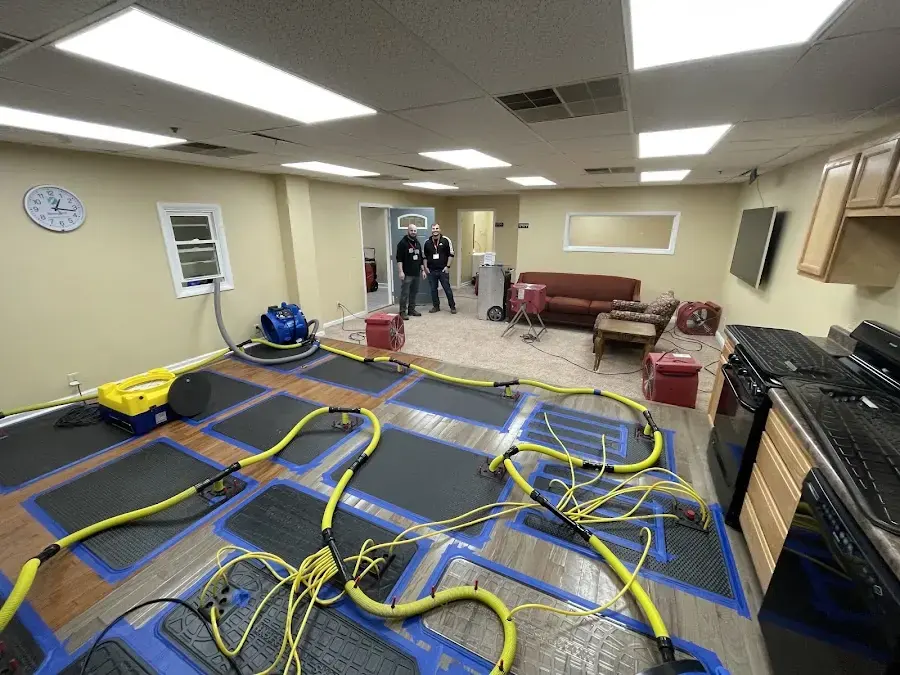
What to do first about structural drying and dehumidification in Lake Stevens
- 1
Keep doors and windows closed
Dehumidifiers work best in a closed space, especially in damp weather.
- 2
Leave the equipment on
Switching it off at night lets moisture settle back into the materials.
- 3
Keep the heat steady
A warm, steady indoor temperature helps the dehumidifiers pull water from the air.
- 4
Leave cords and hoses where they are
Equipment is placed for airflow; moving it changes the drying plan.
What does structural drying and dehumidification cost in Lake Stevens, WA?
In Lake Stevens, WA, structural drying typically runs $1,000 to $6,000, depending on how many rooms and how much framing and subfloor are wet, how long the equipment runs and whether desiccant drying is needed.
One or two rooms
$1,000 to $2,500
- Air movers and an LGR
- Daily readings
- Three to five days
Several rooms or a crawl space
$2,500 to $6,000
- Equipment set by room class
- Crawl space drying
- Psychrometric logs
Hardwood, subfloor or Class 4
$6,000 to $14,000
- Desiccant dehumidifiers
- Drying mats and cavity drying
- Longer equipment time
These are typical ranges, never a quote. The water category, the wet square footage, the material class and how soon drying began move the total most. The Lake Stevens water damage cost calculator narrows it for your own loss.
How the structural drying and dehumidification job runs in Lake Stevens
The walkthrough tech takes moisture readings before a single air mover goes down, so the plan follows what is actually wet. The drying team leaves the equipment running until the meters, not the look of the room, say the job is dry.
- 1
Set the goal
A dry reference reading in an untouched area sets the target for every wet material.
- 2
Place equipment by the numbers
Dehumidifiers and air movers go in at the count each room's class calls for.
- 3
Read every day
Moisture and psychrometric readings track progress, and equipment moves as areas dry.
- 4
Confirm and pull equipment
Equipment comes out when every material reaches the goal.
The equipment and how it is set
- LGR dehumidifiers for most rooms and damp wet-season air
- Desiccant dehumidifiers for hardwood, subfloor, concrete and cold crawl spaces
- Air movers set to the evaporation load of each room
- Drying mats for hardwood floors and cavity drying for closed walls
Daily readings and the drying log
The drying team records temperature, relative humidity and grains per pound inside and outside the drying area every day, along with moisture readings on the wet materials. Those psychrometric logs show the drying is working and go into the claim file. Equipment comes out when the readings say dry, not on a set date.
Why it matters before repairs
Closing up wet framing or laying new floors over a damp subfloor traps moisture inside. The EPA's indoor air quality notes explain why damp building materials cause problems, and WSU Extension publishes homeowner advice for Washington's wet climate.
Structural drying and dehumidification all around Lake Stevens
The Lake Stevens restoration crew covers ZIP 98258 all the way around the lake, from Downtown, North Cove and Hartford to Frontier Village, Cavalero Hill, Soper Hill and the 20th Street SE corridor.
The same work reaches Marysville, Snohomish, Everett, Granite Falls and Machias.
Other water damage services in Lake Stevens
Structural Drying and Dehumidification questions in Lake Stevens, WA
Is it really dry?
Any leak still running in Lake Stevens is handled as urgent, day or night.
(888) 509-1696Drying questions, any hourWhy not just use fans and open windows?
Fans move moisture around without removing it, and Lake Stevens air is damp for much of the year. Dehumidifiers in a closed space pull water out of the air so materials keep giving it up.
What is a dry reference?
A reading taken on the same kind of material in an unaffected part of the house. Wet materials are dry when they read within 2 to 4 points of it.
How long does structural drying take?
Usually three to seven days. Hardwood, thick framing, subfloor and concrete take longer, and drying ends on readings, not a date. The drying time estimator shows a typical window.
What is the difference between LGR and desiccant dehumidifiers?
LGR units cool the air to pull water out and suit most rooms. Desiccant units use a drying material instead and work better in cold spaces and on dense materials like hardwood and concrete.
Why is the equipment so loud and warm?
Dehumidifiers and air movers run hard and give off heat, which helps evaporation. The noise and warmth are part of a working dry-out.
Can repairs start before drying is done?
They should not. New drywall, flooring or paint goes in only after the readings reach the goal, so moisture is not trapped inside.
Wet framing? Get it dried by the numbers.
The drying team sets equipment by room class, logs readings every day and dries to the IICRC S500 goal, 24/7.
(888) 509-1696Book a Lake Stevens structural dry-out- Moving water handled as urgent, nights included
- Drying held to IICRC S500
- Moisture logs kept for your insurer