Crawl Space Water Removal in Lake Stevens, WA
Water under a Lake Stevens house can sit for weeks unnoticed. The crawl space crew pumps it out, pulls soaked insulation and barrier, and dries joists and subfloor to the IICRC S500 goal, 24/7.
(888) 509-1696Call about water under your house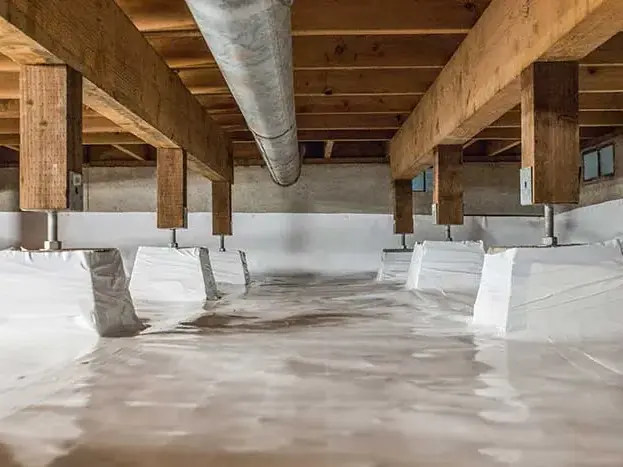
What to do first about crawl space water removal in Lake Stevens
- 1
Stay out of standing water
Do not crawl into a flooded crawl space while anything down there has power, such as a sump pump, heat ducts or wiring.
- 2
Shut the water if a pipe is the source
If clean water keeps rising under the floor, close the main valve until the leak is found.
- 3
Switch off the furnace if ducts sit in water
Wet ductwork can push damp air into the house, so leave the system off until the ducts are checked.
- 4
Note what you smell and see
A musty odor, cold or soft spots in the floor and cupping wood tell the walkthrough tech where to start.
What does crawl space water removal cost in Lake Stevens, WA?
In Lake Stevens, WA, crawl space water removal typically runs $1,800 to $8,500, depending on how much water is standing, how much insulation and barrier has to come out and how long the framing has been wet.
Pump-out and drying
$1,800 to $4,000
- Standing water pumped and vacuumed
- Equipment set under the floor
- Daily framing readings
With insulation removal
$4,000 to $8,500
- Wet batts bagged and removed
- Torn barrier pulled
- Longer joist and subfloor drying
Contaminated or long-standing water
$8,500 to $18,000
- Category 3 cleanup and antimicrobial
- Silt and debris removed
- Containment and more drying time
These are typical ranges, never a quote. The water category, the wet square footage, the material class and how soon drying began move the total most. The Lake Stevens water damage cost calculator narrows it for your own loss.
How the crawl space water removal job runs in Lake Stevens
The walkthrough tech takes moisture readings before a single air mover goes down, so the plan follows what is actually wet. The drying team leaves the equipment running until the meters, not the look of the room, say the job is dry.
- 1
Map under the floor
Thermal imaging and a pinless meter show which joists, beams and subfloor took on water.
- 2
Pump and pull
The crew pumps standing water, then removes soaked insulation and torn barrier, photographing everything first.
- 3
Dry the framing
LGR dehumidifiers and air movers run under the house until the wood comes down to the drying goal.
- 4
Verify and hand off
Final readings against a dry reference go into the claim file before new insulation and ground cover go in.
Where crawl space water comes from in Lake Stevens
- Groundwater and runoff in the wet months, worst from November through February
- A supply pipe, drain or water heater pipe leaking under the floor
- A pipe that froze in a cold snap and split on the thaw
- Downspouts and grading that send roof water toward the foundation
The source sets the category. Clean water from a supply pipe is Category 1. Outside water seeping in from the soil, and anything from a broken drain, is handled as contaminated, usually Category 3. The USGS Water Science School explains how rain soaks into soil and moves as groundwater.
What the dry-out involves
The extraction crew pumps standing water off the ground cover and wet-vacuums what the pump leaves behind. Soaked fiberglass batts and torn or buried vapor barrier come out, because insulation holding water will not dry in place and keeps the framing wet.
The drying team then sets LGR dehumidifiers and air movers under the house and checks joists, beams and subfloor with a pinless meter every day. Framing counts as dry when it reads within 2 to 4 points of a dry reference.
Once the water is out
- A plumber repairs a leaking or split pipe
- A drainage contractor handles gutters, grading, a perimeter drain or a sump pump where water keeps coming back
- New insulation and ground cover go in only after the framing reads dry
The U.S. Department of Energy's Energy Saver notes on insulation and air sealing cover what goes back under the floor afterward.
Crawl space water removal all around Lake Stevens
The Lake Stevens restoration crew covers ZIP 98258 all the way around the lake, from Downtown, North Cove and Hartford to Frontier Village, Cavalero Hill, Soper Hill and the 20th Street SE corridor.
The same work reaches Marysville, Snohomish, Everett, Granite Falls and Machias.
Other water damage services in Lake Stevens
Crawl Space Water Removal questions in Lake Stevens, WA
Water under the house?
Any leak still running in Lake Stevens is handled as urgent, day or night.
(888) 509-1696Crawl space help around the lakeHow do I know there is water in my crawl space?
A musty smell, damp air indoors, cold or soft spots in the floor, cupping hardwood and a sump pump that never stops are common signs. A flashlight through the access hatch usually confirms it.
Is some water under the house normal in winter?
Damp soil is common in the wet season, but standing water on the ground cover is not. Left there, it raises humidity under the floor and soaks the insulation, so it should be pumped out and the space dried.
Does wet crawl space insulation have to come out?
Usually, yes. Fiberglass batts holding water sag, stop insulating and keep the joists wet. They come out so the framing can dry and go back in once it reads dry.
How long does a crawl space take to dry?
Most take three to seven days once the water is out and the equipment is running. Long-standing water and soaked subfloor take longer, and drying ends on readings, not a date.
Does insurance cover crawl space water?
Water from a sudden pipe break is often covered. Groundwater seepage and flooding usually are not under a standard homeowners policy. Coverage depends on your policy, so check with your own insurer.
Will the water come back?
If the source is groundwater or runoff, it can. The restoration team removes the water and dries the space; a plumber or drainage contractor fixes the source, such as gutters, grading, a perimeter drain or a sump pump in a basement or crawl space.
Water under the floor? Get it pumped and dried.
The crawl space crew pumps the water, pulls what cannot dry and dries the framing to the IICRC S500 goal, 24/7.
(888) 509-1696Book a Lake Stevens crawl space pump-out- Moving water handled as urgent, nights included
- Drying held to IICRC S500
- Moisture logs kept for your insurer