Water Damage Restoration in Monroe, WA
Monroe sits near the meeting point of the Skykomish and Snoqualmie rivers, so soaked ground, swollen rivers and failed pipes all turn into water inside the house. Crews extract it, dry the structure and log readings daily.
(888) 509-1696Call for Monroe water damage, nights and weekends includedServing Monroe homes and businesses in the 98272 ZIP code, with moisture readings taken at every visit and kept for insurance paperwork.
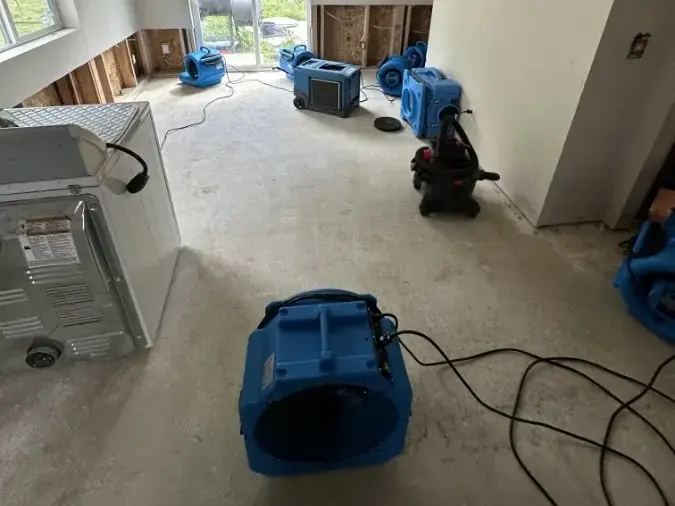
Moves that limit the damage before the drying starts
Water spreads into framing and flooring quickly, so these five moves protect the house and the claim while the drying plan comes together.
(888) 509-1696Get a Monroe water crew started- 1
Stop the source
A broken pipe means closing the main water shut-off valve right away, as the City of Monroe advises, then switching off any appliance that is leaking.
- 2
Make the room safe
Cut power to wet rooms at the panel when the panel is dry and easy to reach, and keep everyone away from outlets and cords near standing water.
- 3
Photograph the damage
Take wide and close photos and short videos of every wet room and ruined item before anything is moved or thrown away.
- 4
Lift belongings off the floor
Put furniture legs on blocks, pull rugs and electronics out, and carry papers and keepsakes to a dry room to prevent permanent staining.
- 5
Call for extraction
Ask a crew to start pumps and extractors, and hold off on box fans or household vacuums until readings show where the water went.
One crew for every kind of water loss
Pipe breaks, river flooding, storm leaks and sewage backups each need a different first move, and every service here pairs the method with the cost range and the Monroe conditions behind it.
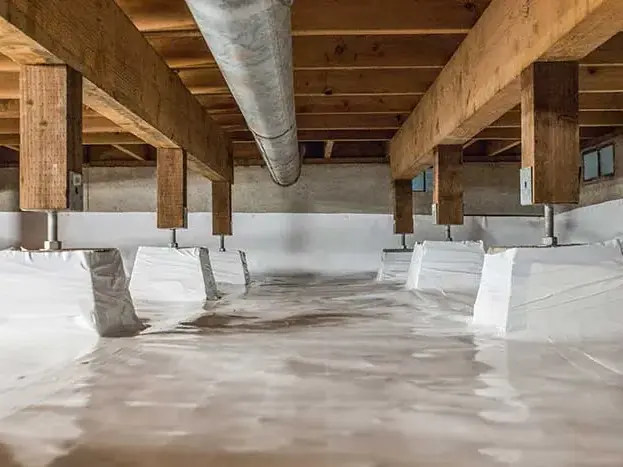
Crawl Space Water Removal
Water under a raised floor is pumped out, wet insulation removed and the framing dried.
How it is done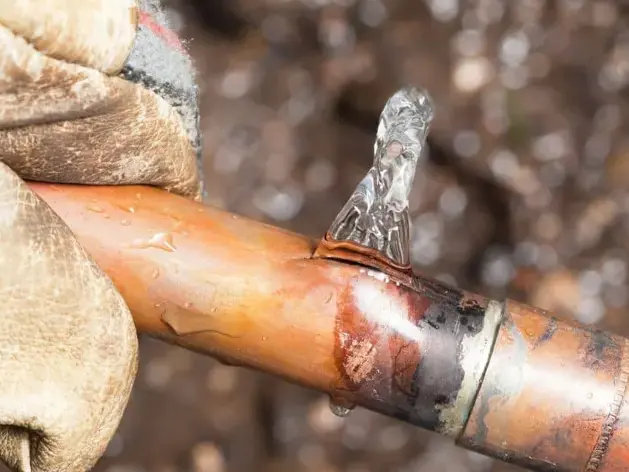
Burst Pipe Water Damage
A split supply pipe is stopped, then wet walls, floors and ceilings below are dried.
How it is done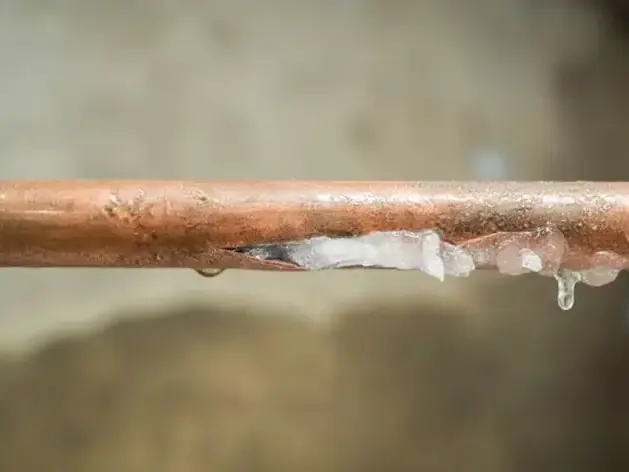
Frozen Pipe Water Damage
Cold-snap breaks are traced, the thaw water extracted and wall cavities dried before damp sets in.
How it is done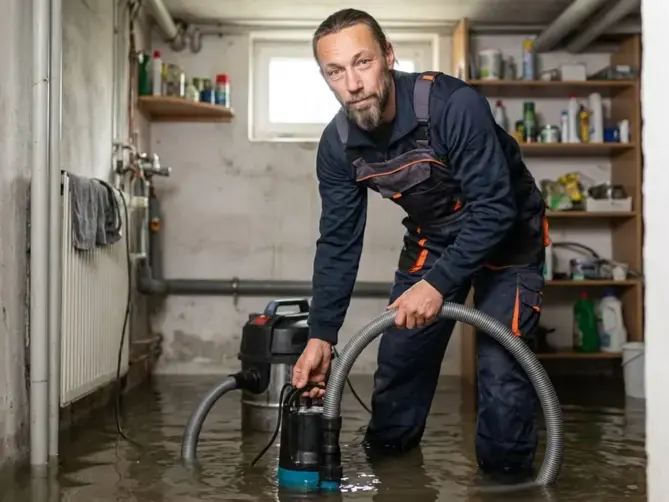
Basement Flooding Cleanup
Rain or groundwater in a lower level is pumped out, wet finishes removed and the slab dried.
How it is done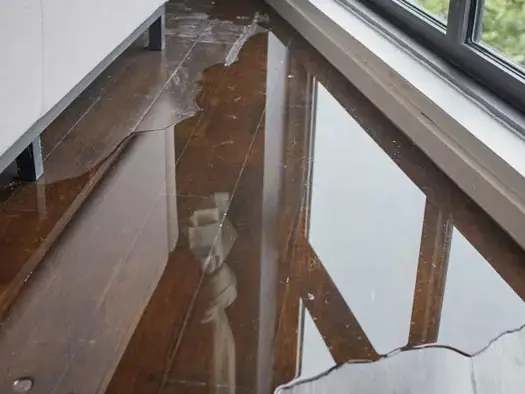
Storm Water Damage
Wind-driven rain that gets past windows or walls is extracted and the cavities behind are checked.
How it is done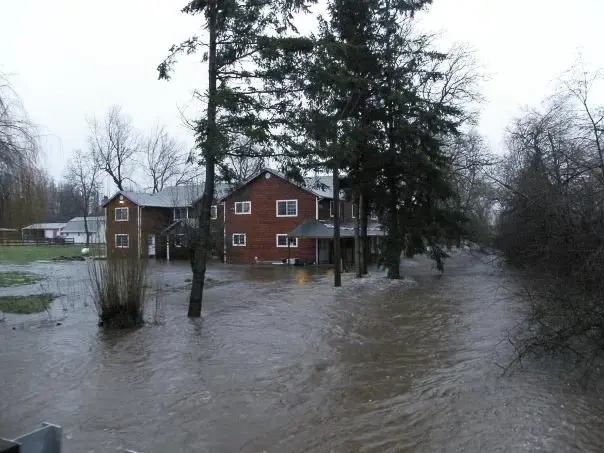
Flood Water Cleanup
River and creek flooding is treated as contaminated, then removed, cleaned and dried under containment.
How it is done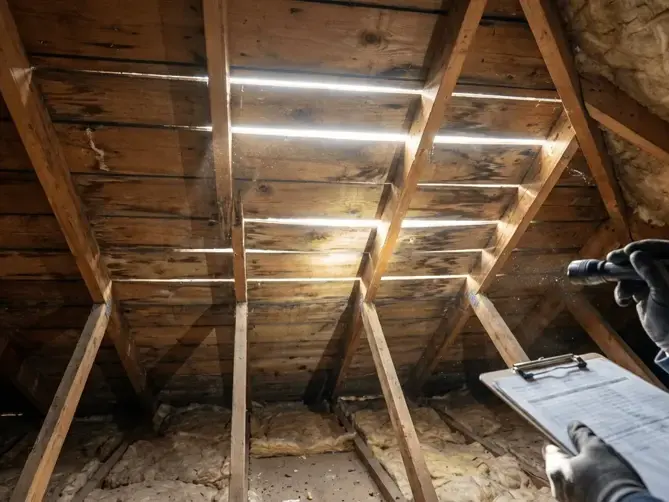
Roof Leak Water Damage
Wet attic insulation, sheathing and ceilings from a roof leak are dried before the damage spreads.
How it is done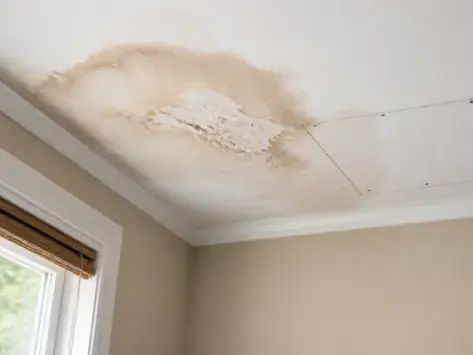
Ceiling Leak Water Damage
Stains and sagging drywall are traced to the source, opened where wet and dried above and below.
How it is done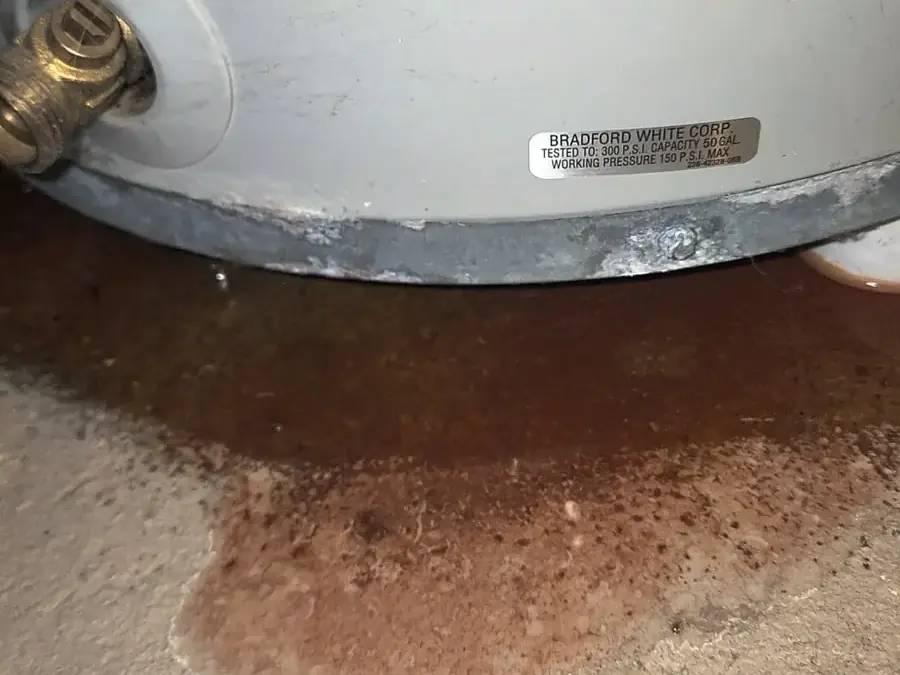
Water Heater Leak Cleanup
A failed tank is shut down, the spill extracted and the closet, wall and flooring dried.
How it is done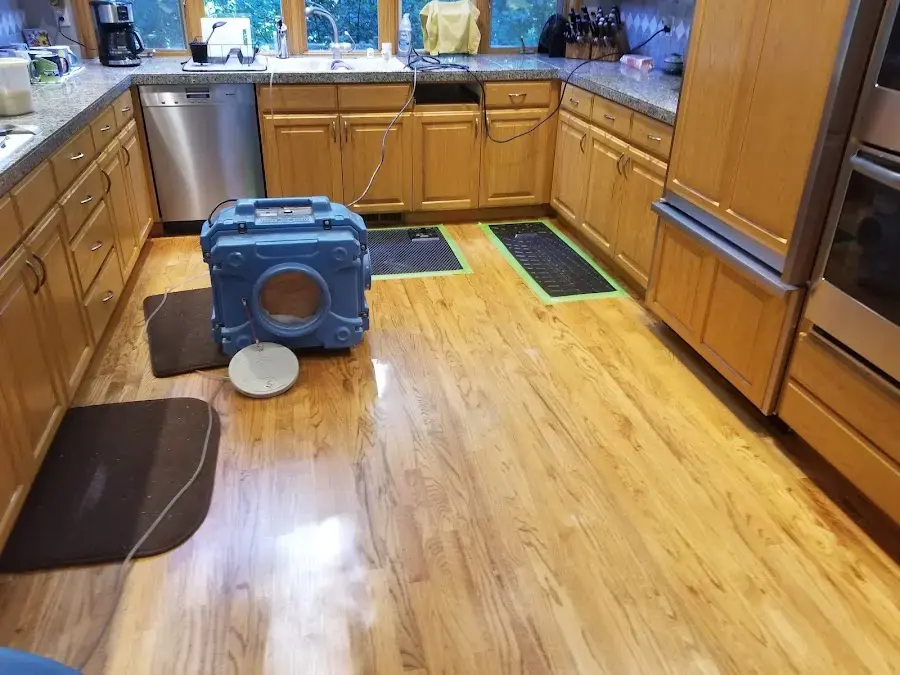
Appliance Leak Water Damage
Washer, dishwasher and refrigerator leaks are cleaned up and the cabinets and floors beneath dried.
How it is done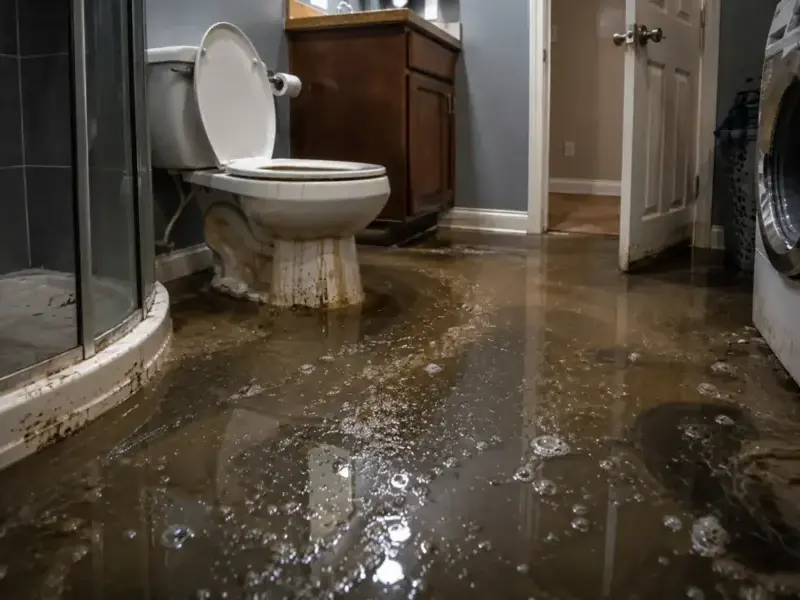
Sewage Backup Cleanup
Sewage is removed in protective gear, surfaces sanitized and soaked materials taken out.
How it is done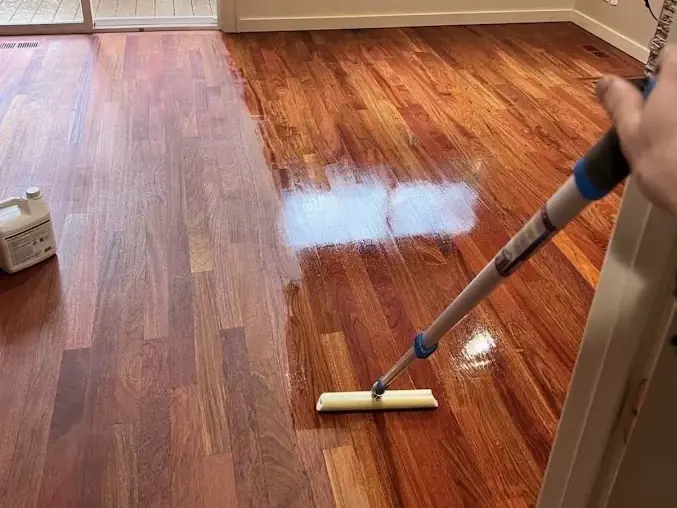
Water Extraction and Removal
Truck-mounted and portable extractors pull standing water from carpet, pad and hard floors.
How it is done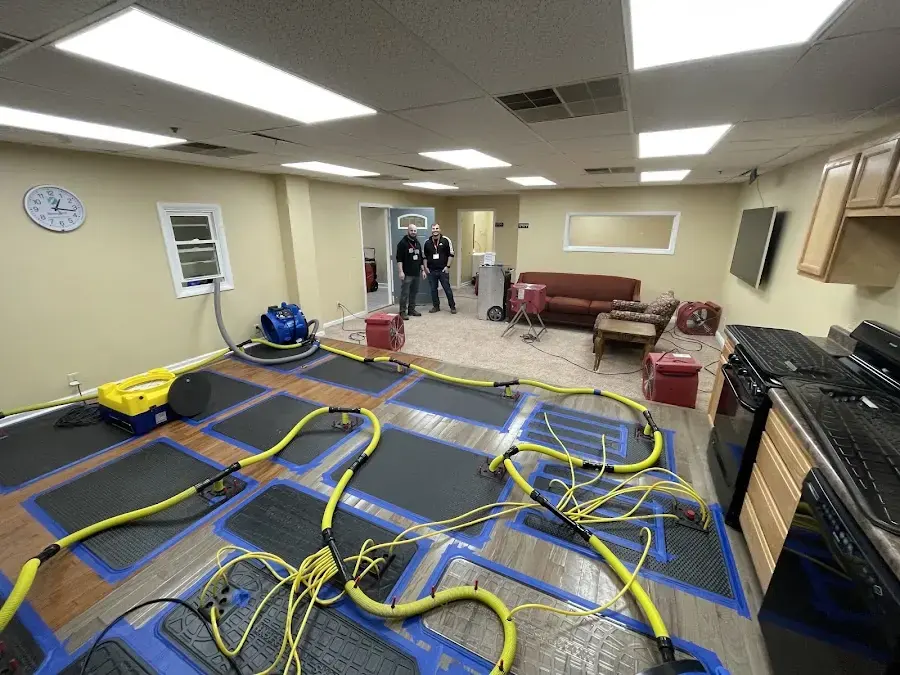
Structural Drying and Dehumidification
Air movers and dehumidifiers dry floors, walls and framing while daily readings show progress.
How it is done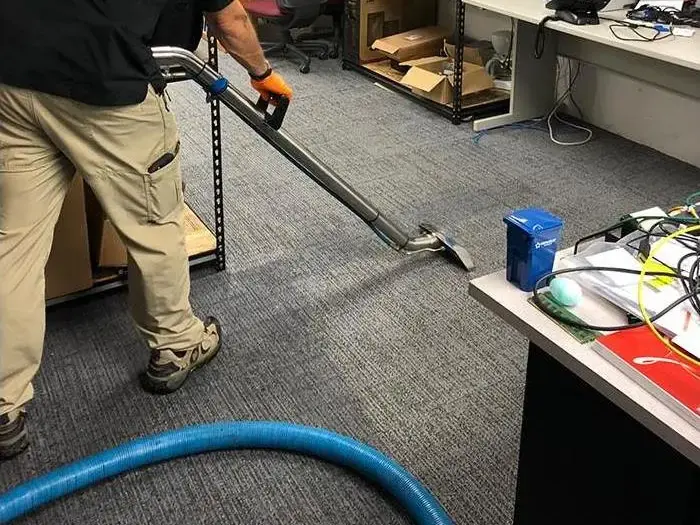
Commercial Water Damage
Shops, offices and warehouses are dried in phases so the business can keep working where possible.
How it is done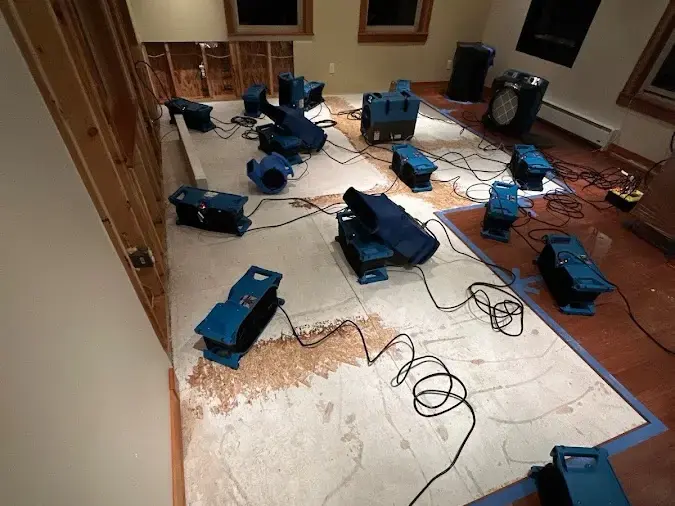
Local conditions shape every drying plan
Monroe averages 177 days of precipitation a year, so damp outdoor air gives little drying help and the job depends on equipment. Crews bring extractors, dehumidifiers and moisture meters, set a plan for each room, and explain every reading in plain terms before and after the work.
Round-the-clock dispatch
Water loss ignores the work week, so dispatch runs nights, weekends and through winter storms.
Equipment matched to the job
Truck-mounted extractors, LGR dehumidifiers and desiccant units are chosen by room, material and water category.
Paperwork that holds up
Moisture maps, daily logs and photos are kept in order, so an adjuster can see what was wet and how it dried.
Know-how with local water
River flooding, saturated ground and homes built in the 1990s each fail in different ways, and the plan changes with them.
What a Monroe water damage job typically costs
Most Monroe jobs land between $1,200 and $12,500, depending on how much water there is, how long it sat and whether it was clean. Contaminated or widespread losses can climb toward $30,000, and daily readings keep the scope honest.
Caught early, clean water
$1,200 to $4,500
- Extraction and drying in place
- Baseboards and wall checks
- Readings until dry
Several rooms or a wet floor
$4,500 to $12,500
- Flood cuts where walls hold water
- Pad and insulation removed
- Structural drying with equipment
Contaminated or widespread
$9,000 to $30,000
- Category 3 removal and sanitizing
- Containment and air scrubbers
- Longer drying and documentation
These ranges are typical, not a quote. The final figure follows the water category, the square footage affected and how many materials must be replaced instead of dried, and a walkthrough narrows it down.
Dried to a measured target, not a guess
Drying follows the IICRC S500 standard: the crew maps moisture, extracts what can be pumped or vacuumed, sets equipment by room, and checks readings each day until framing and flooring match the dry reference.
- 1
Measure first
Moisture meters and thermal imaging show which walls, floors and ceilings hold water, and those readings become the baseline for the whole job.
- 2
Remove the water
Pumps, extractors and wet vacuums take out standing water, and soaked pad or insulation that cannot dry in place is cut out and bagged.
- 3
Set the drying
Air movers and dehumidifiers go in by room and by material class, with hardwood, framing and wall cavities getting their own placement.
- 4
Confirm it is dry
Daily readings continue until every material meets the target, and the saved logs let an adjuster see how the structure dried.
Three water categories change the whole cleanup
Clean supply water
A split supply pipe or a failed fitting releases clean water, which can usually be dried in place when it is caught early.
Burst pipe water damageGray water from appliances
Dishwasher and washing machine overflows carry soap and soil, so wet cabinets, toe kicks and flooring are checked before drying starts.
Appliance leak water damageBlack water and sewage
Sewage backups and river flood water carry bacteria, so affected materials are removed, surfaces sanitized and the area contained.
Sewage backup cleanupDocumenting damage for the claim
Adjusters decide what a policy pays from the evidence, so the file built during the cleanup often matters as much as the cleanup itself.
- Dated photos and video of each wet room before cleanup begins
- Moisture readings and a map of wet areas from every visit
- A written list of damaged belongings with rough ages and prices paid
- Receipts for emergency repairs, temporary housing and rented equipment
- Notes on when the water was first noticed and what stopped it
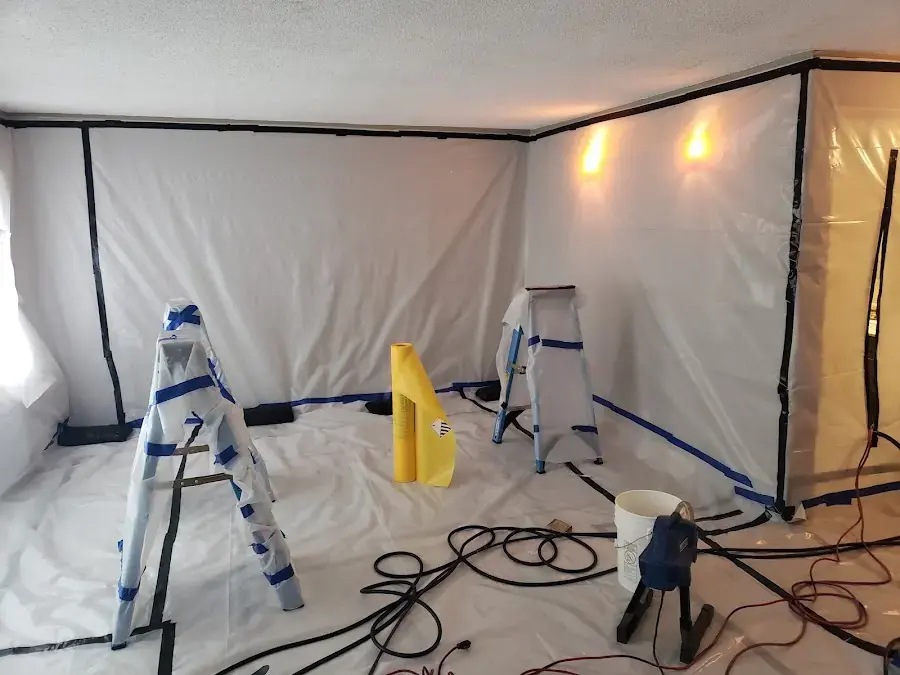
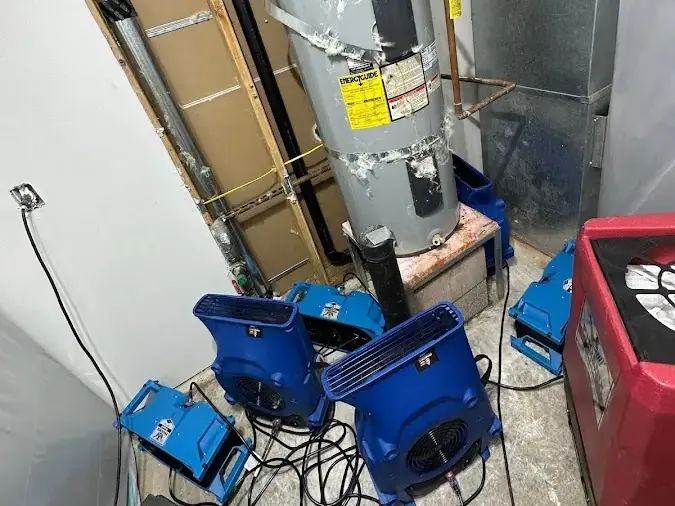
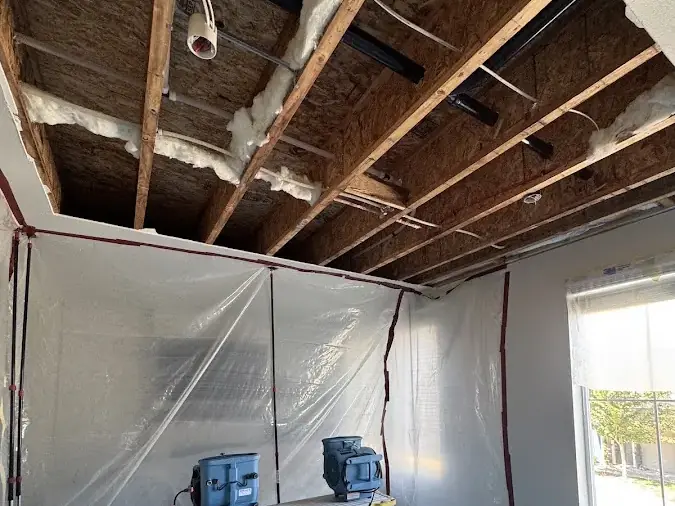
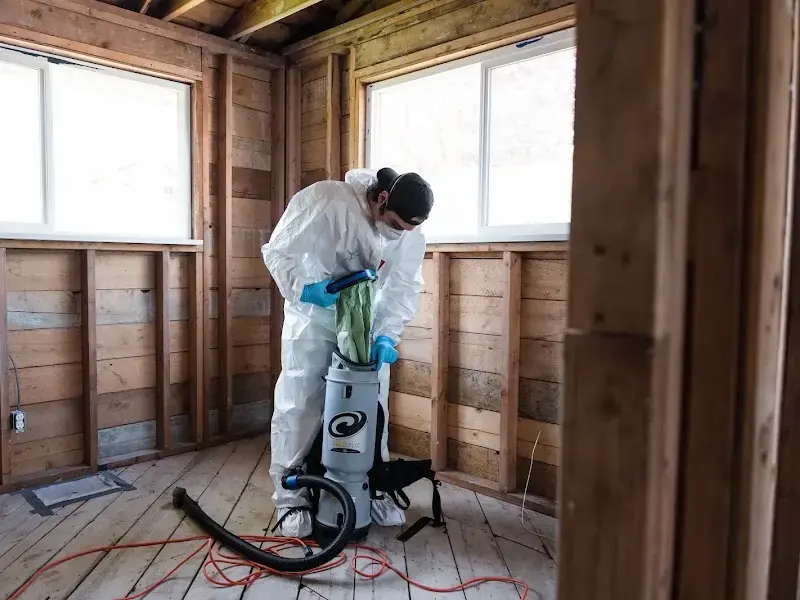
Representative drying and cleanup work for Monroe properties
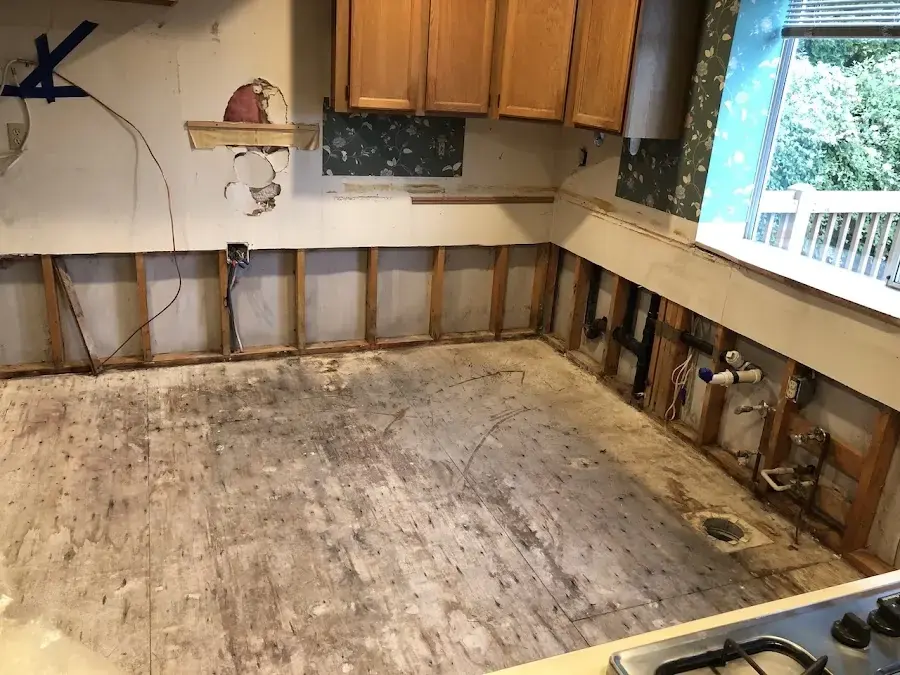
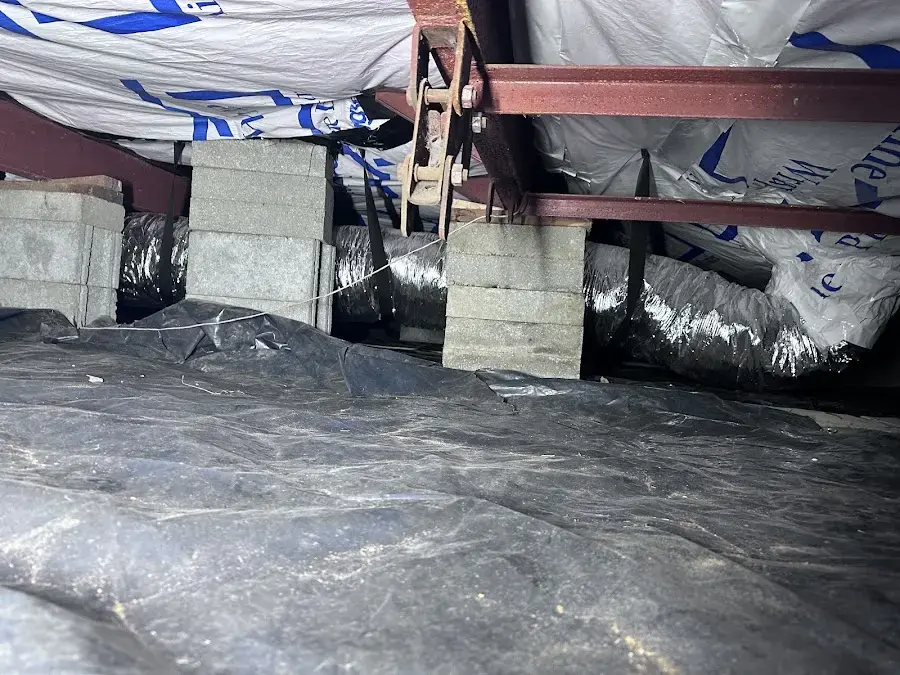
Where crews work in and around Monroe
Monroe area neighborhoods
ZIP codes
Nearby towns
Why water finds its way into Monroe buildings
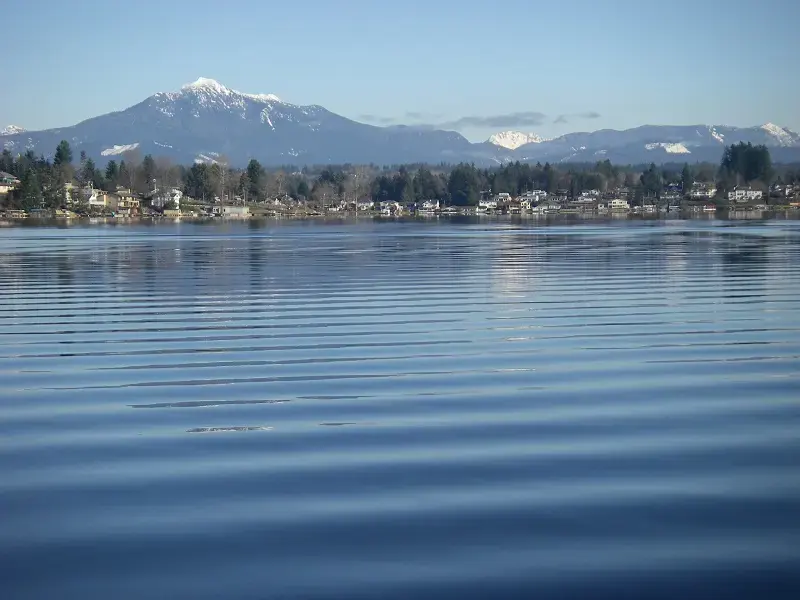
Monroe is a river-valley city, and the city itself says high water most commonly occurs from October through April, when heavy rain and quick snow melt land on ground that earlier storms have already soaked.
- February 1932
A major flood struck the Monroe area, and crews began repairing the damage the following year.
- March 30, 2017
An EF0 tornado struck Monroe and damaged several recreational vehicles at a dealership, a rare event for western Washington; no one was injured.
- December 2025
Flooding on the Skykomish, Snoqualmie and Tolt rivers forced evacuations and road closures across the Sultan, Monroe and Carnation areas, with State Route 203 closed near Ben Howard Road, outside city limits.
- January 15, 2026
A water main leak on Old Owen Road left about 10 homes with low or no water pressure, and the City of Monroe restored service that day.
River and creek flooding
The south and east edges of Monroe along the Skykomish River sit in a 100-year flood hazard zone, and the city says the same areas tend to flood year after year.
Backwater on Woods Creek
A 2006 flood study says Skykomish River floodwater backs up Woods Creek inside the city limits, so creekside properties can take on river water, not only local rain.
Saturated ground
The city says flooding conditions typically follow rainfall above about 4 inches across 24 hours on ground already soaked by earlier rain, which is when low rooms and under-floor spaces take on water.
Pipes and side sewers
Owners maintain the side sewer that links a home to the city main, and the city notes that wipes labeled flushable still clog sewer pipes, one way a backup starts.
Monroe water damage questions
Still unsure what to do next?
Describe the water, the rooms affected and whether power is on, and a Monroe crew will outline the first steps.
(888) 509-1696Call about water damage in 98272How soon does water need to come out after a leak?
As soon as it is safe, because drywall, insulation and framing start holding moisture within a day or two, and mold can begin in the first 24 to 48 hours. Water extraction comes first and drying follows, with no waiting for the weather to clear.
Does Monroe's wet climate slow drying?
Yes. Monroe averages 48 inches of precipitation a year, compared with 33 inches in Everett, so damp outdoor air gives little help and dehumidifiers and air movers do most of the work. Structural drying is planned around that.
Is Skykomish River flood water handled like a pipe break?
No. River and creek water carries soil, bacteria and runoff, so flood water cleanup treats it as contaminated: porous materials come out, framing is cleaned and sanitized, and containment protects the clean rooms.
Who maintains the sewer pipe between a house and the street?
The City of Monroe says property owners care for and maintain the side sewer, the pipe from the home to the connection with the city's main sewer. After a sewage backup, a plumber can check that pipe while the crew handles cleanup.
Does replacing a water heater or a pipe after a leak need a permit?
In Monroe a plumbing permit is required to replace a water heater, and a new gas-heated unit also needs a mechanical permit. Stopping a pipe leak needs no permit, but replacing a defective pipe with new material does. See water heater leak cleanup.
What does an adjuster usually want to see?
Adjusters look for dated photos, moisture readings, the source of the water and a list of damaged belongings. Drying logs that show the structure reaching its target help close out the cleanup portion of a claim.
Can carpet, pad and hardwood be saved after a leak?
Carpet over clean water can often be dried in place, while soaked pad is usually replaced. Hardwood sometimes responds to drying mats when caught early, but contaminated water means the flooring comes out.
What should happen when a cold snap threatens pipes?
Monroe rarely sees much snow, averaging about 8 inches a year, so hard cold can catch owners off guard. The city warns that severe cold can ice up pipes and burst them, and a broken pipe means closing the main valve right away.
How are rental homes and condos handled after a leak?
Tenants report the leak to the landlord or property manager right away and photograph the damage. About 29 percent of occupied Monroe homes are rented, and about 20 percent of units sit in buildings with two or more units, where water can reach neighbors.
How are shops and warehouses in Monroe dried?
The method is the same, but the planning is bigger. Retail strips, industrial buildings and public facilities get phased work, containment between spaces and written logs, so tenants can keep operating where the building allows.
Water in a Monroe building keeps spreading until it is pumped and dried
Crews extract the water, set the drying equipment and keep logs that match what insurers ask to see, whether the loss is a house, a rental, a shop or a warehouse.
(888) 509-1696Monroe water help- Moving water handled as urgent, nights included
- Drying held to IICRC S500
- Moisture logs kept for your insurer