Water Damage Restoration in Snohomish, WA
Burst pipes, rising river water, sewage backups and leaking roofs all follow the same order of work in Snohomish: stop the source, pull the water out, then dry the structure while moisture readings are logged each day.
(888) 509-1696Dispatch for Snohomish homes and storefrontsWater and sewage losses only, across Snohomish homes, apartments and storefronts, with photos and drying logs kept for the adjuster.
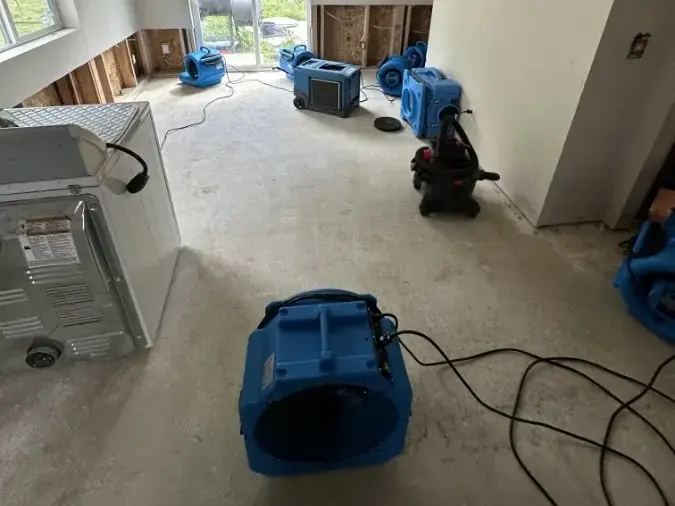
Five moves that limit damage while waiting for the crew
Water keeps moving into framing and flooring until it is stopped, so a few simple actions taken at once can shrink the repair scope for any Snohomish home.
(888) 509-1696Talk through a Snohomish leak with dispatch- 1
Stop the water source
Close the shutoff valve at a leaking fixture, or the main valve for a burst pipe. If river or storm water is entering, leave the area and keep clear of it.
- 2
Switch off wet circuits
Turn off the breakers for wet rooms and keep clear of outlets, cords and appliances standing in water until the area is made safe.
- 3
Record the damage
Take photos and short videos of every wet surface and damaged item before anything moves, and note the time the water was found for the adjuster.
- 4
Get belongings up
Lift rugs, laptops, papers and small furniture onto dry counters or shelves, and leave heavy furniture where it stands rather than risk injury.
- 5
Call dispatch for a plan
Describe the source, the rooms affected and how long the water has been standing, so the right pumps, extractors and drying equipment are loaded for the job.
Water damage services for Snohomish homes and businesses
Each service below covers one kind of water loss, from a split supply pipe in an older kitchen to river water in a lower level, so the steps and equipment match the source of the water.
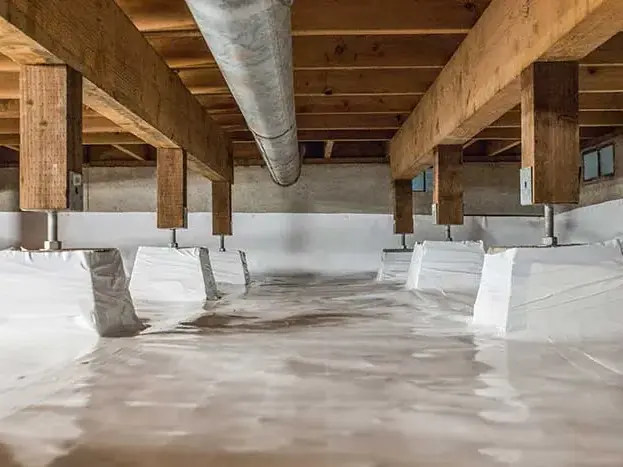
Crawl Space Water Removal
Water pumped from beneath a raised floor, then the joists and subfloor dried out.
How it is done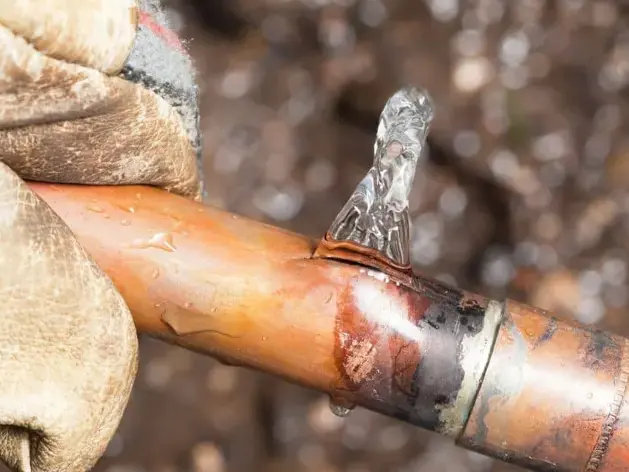
Burst Pipe Water Damage
A split supply pipe is shut off and traced, then the soaked walls and floors are dried.
How it is done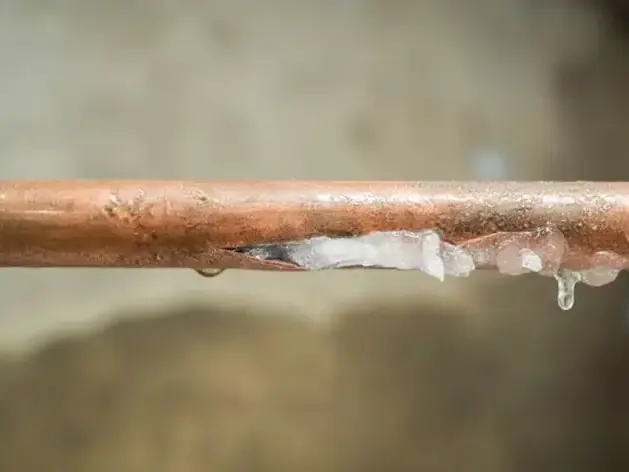
Frozen Pipe Water Damage
Pipes that split during a thaw are located, and the wet cavities, ceilings and flooring dried.
How it is done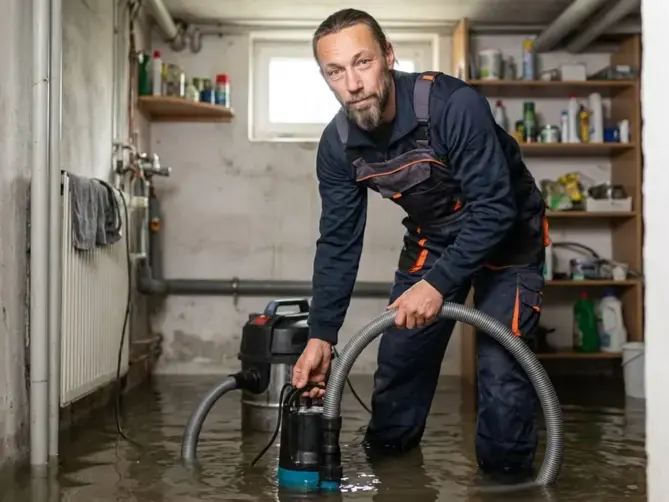
Basement Flooding Cleanup
Seepage or floodwater in a lower level is pumped out and the slab and walls dried.
How it is done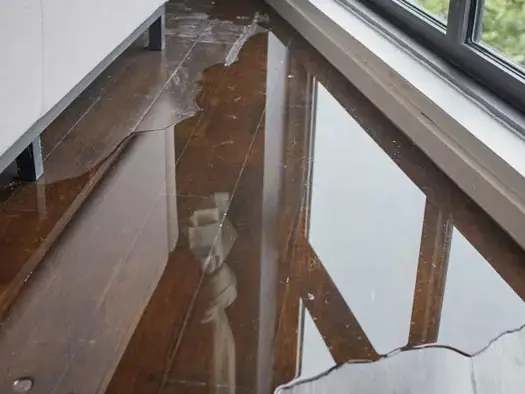
Storm Water Damage
Wind-driven rain that gets into walls or windows is extracted and the wet materials dried.
How it is done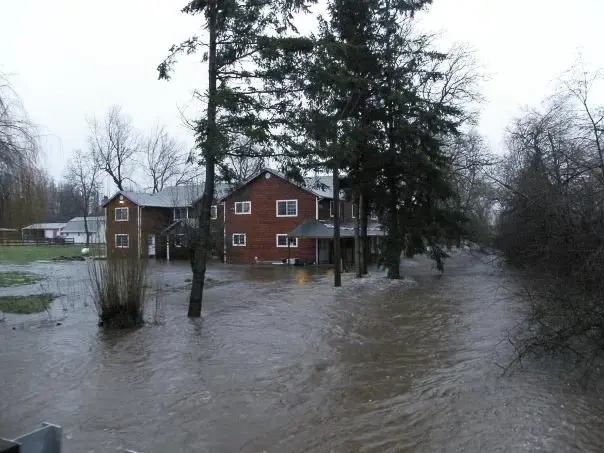
Flood Water Cleanup
River floodwater is treated as contaminated, removed, and the structure cleaned, sanitized and dried.
How it is done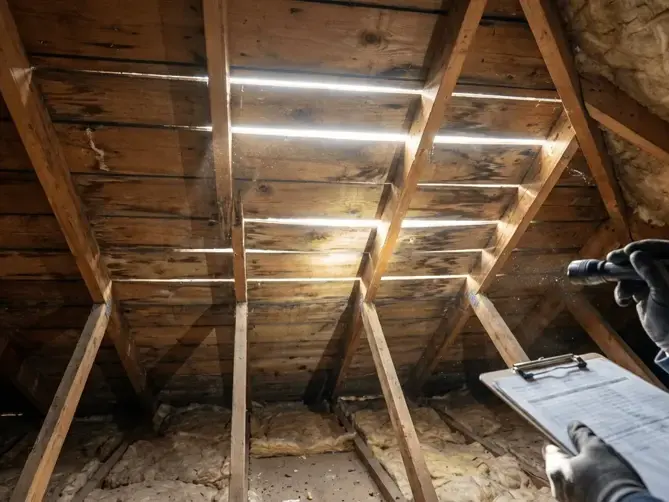
Roof Leak Water Damage
Leaks at flashing, vents or worn roofing are traced, then the wet attic, ceiling and walls dried.
How it is done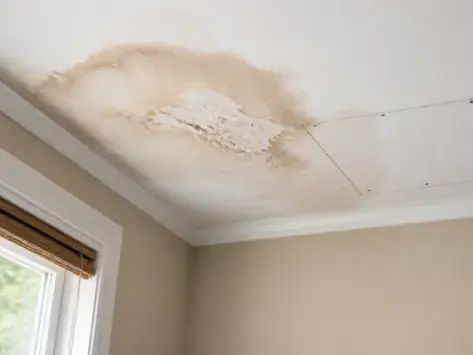
Ceiling Leak Water Damage
A ceiling stain is traced to its roof or upstairs source, and wet drywall and insulation dried.
How it is done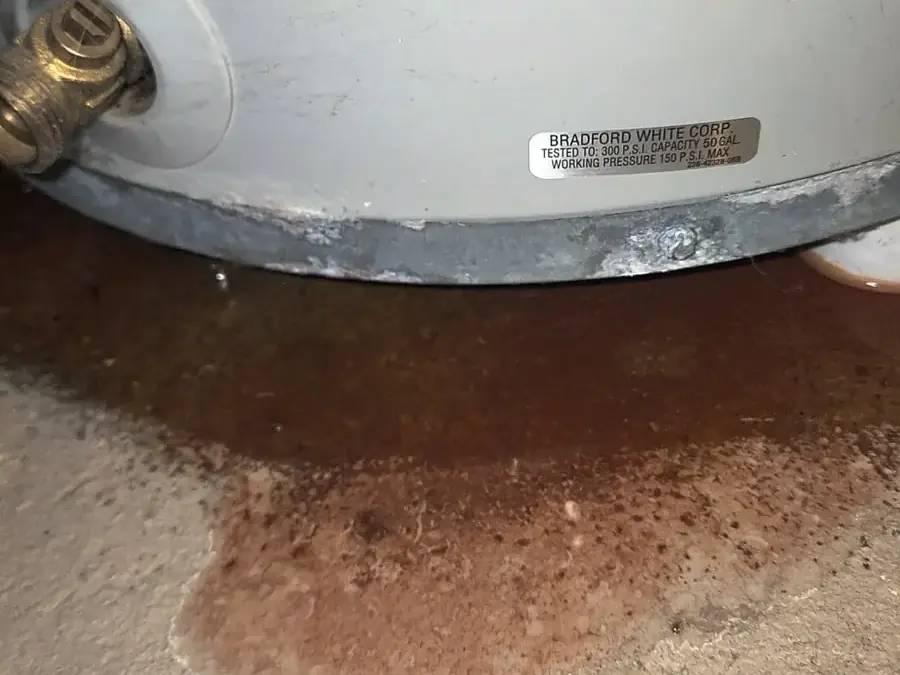
Water Heater Leak Cleanup
A leaking tank is shut off, the standing water extracted and the surrounding floor and walls dried.
How it is done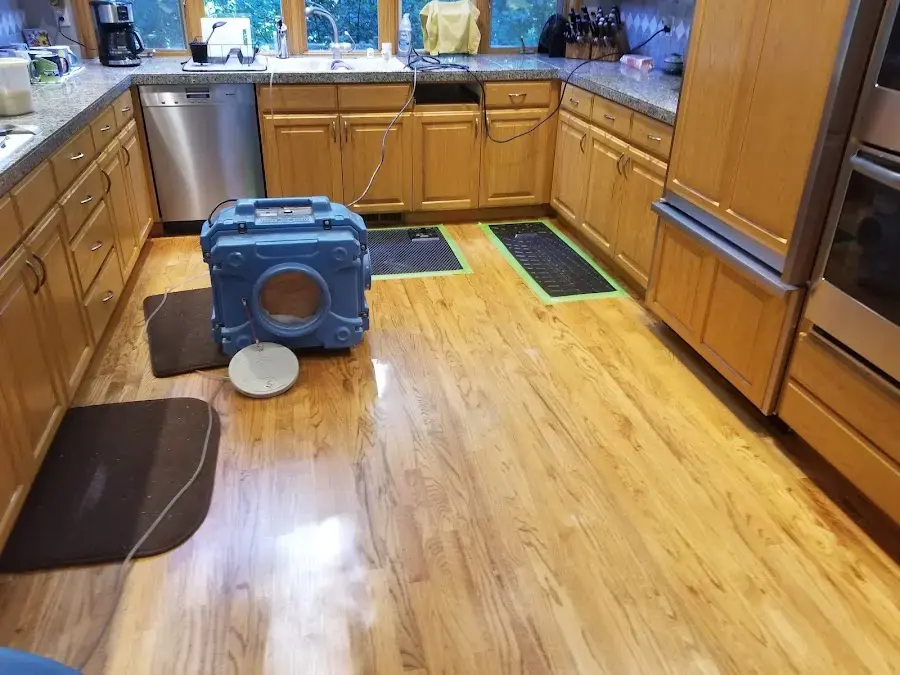
Appliance Leak Water Damage
Washer, dishwasher and refrigerator leaks are cleaned up and the wet floors and cabinets dried.
How it is done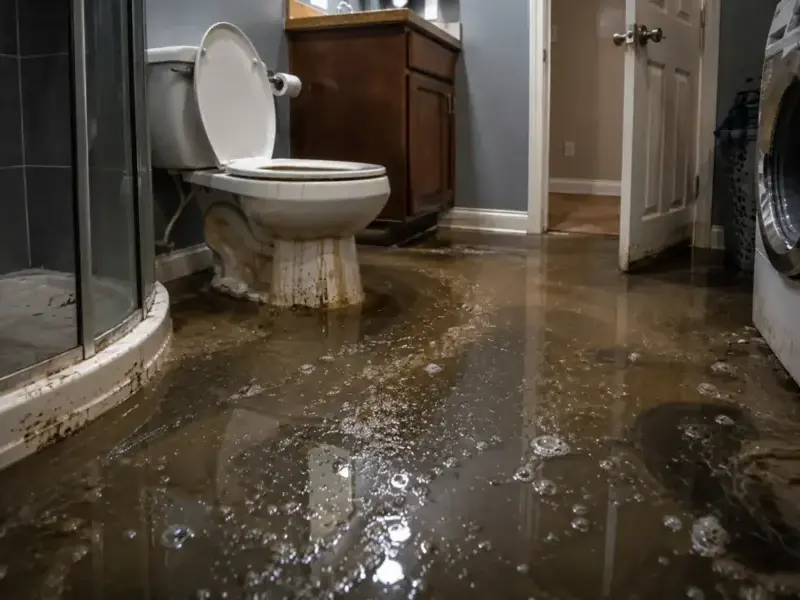
Sewage Backup Cleanup
Sewage backups are handled as contaminated water: removed, sanitized and the area dried.
How it is done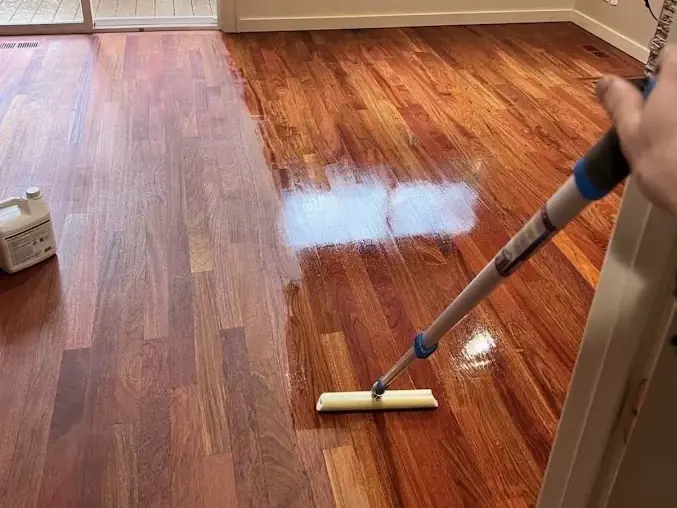
Water Extraction and Removal
Standing water from a river, a storm or a failed supply pipe is extracted before it spreads.
How it is done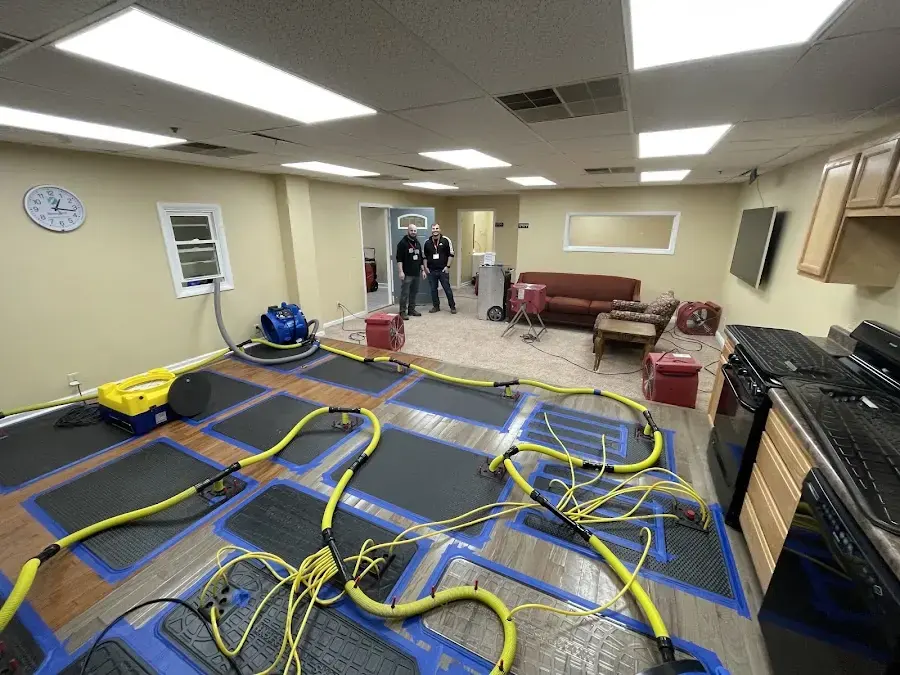
Structural Drying and Dehumidification
Wet floors, walls and framing are dried with monitored equipment until readings reach dry standards.
How it is done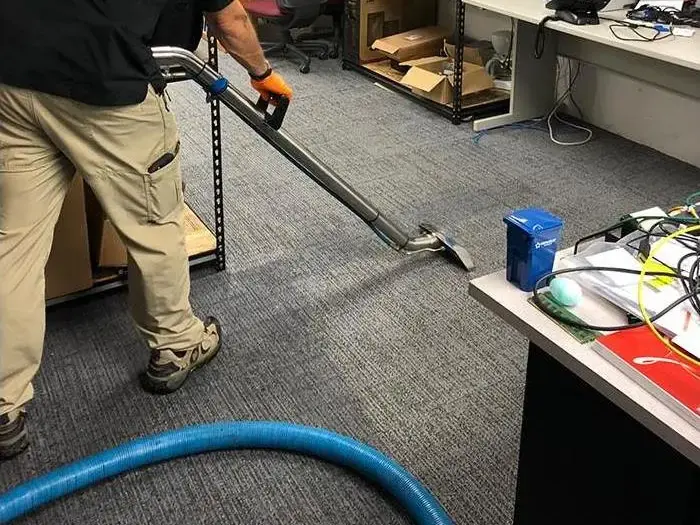
Commercial Water Damage
Storefronts, offices and apartment buildings are dried in phases so businesses can keep operating where possible.
How it is done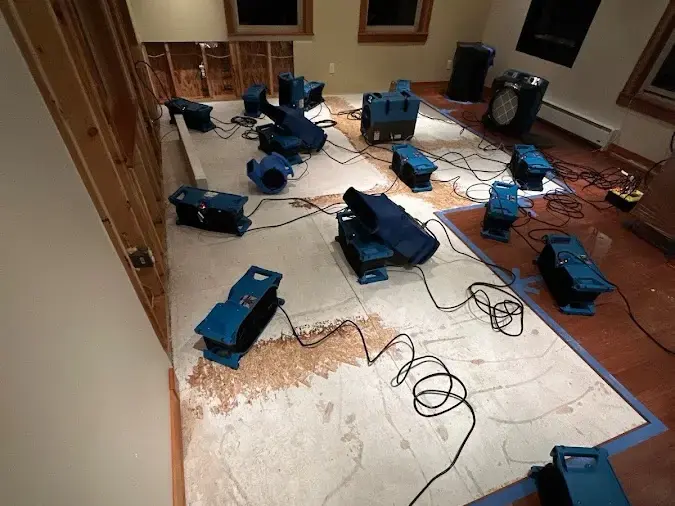
Water damage work built around Snohomish conditions
Snohomish sits between the Snohomish River and the Pilchuck River, and western Washington winters run wet and mild. The crew plans for river water, storm entry and plumbing failures alike, keeps equipment readings every day, and documents each step for the adjuster, from the first photo to the final reading.
Round-the-clock dispatch
Water damage ignores the calendar, so dispatch takes calls day and night for Snohomish homes, apartments and storefronts.
Equipment matched to rooms
Air movers, dehumidifiers and extraction gear are chosen from the readings and room class, not loaded the same for every call.
Claim-ready documentation
Photos, moisture logs and a dated scope are built during the job, so the adjuster gets a complete record.
Local water know-how
River floodwater, wind-driven rain and homes built before and after 1980 each call for a different plan.
What water damage restoration usually costs in Snohomish
A small clean-water leak caught early often falls in the $1,200 to $4,500 band, while a sewage or river flood job can reach the $9,000 to $30,000 band. Square footage, water category and drying time drive the difference.
One room of clean water
$1,200 to $4,500
- Extraction and floor drying in place
- Baseboards pulled where wet
- Daily moisture readings logged
Several rooms or a ceiling below
$4,500 to $12,500
- Flood cuts where walls hold water
- Wet padding and insulation removed
- Subfloor and cavity drying added
Sewage or river floodwater cleanup
$9,000 to $30,000
- Contaminated materials bagged and removed
- Antimicrobial treatment and containment
- Extended drying and added readings
Final pricing follows what the moisture readings show at the property, including the water category, the materials involved and how many days of drying the structure needs. A written scope is shared before the work begins.
Drying that follows the S500 standard, not guesswork
Every Snohomish job begins with moisture readings and a map of wet materials, then equipment is placed by room class and rechecked daily. The log shows when each material has dried, which is what an adjuster looks for.
- 1
Measure first
Moisture meters and a thermal camera show where the water traveled, and readings on drywall, framing and flooring become the starting point for the drying plan.
- 2
Remove the water
Pumps and extractors take out standing water first, because every gallon left behind has to be evaporated later and slows the dry-down.
- 3
Set the drying
Air movers and low-grain refrigerant dehumidifiers go in by room class, with drying mats or cavity drying where flooring and walls hold moisture.
- 4
Confirm it is dry
Daily readings continue until each material matches its dry reference, and only then does the equipment come out and the paperwork go to the adjuster.
Clean, gray and black water are handled differently
Clean supply water
A broken pipe, a failed hose or a leaking tank releases clean water that can often be dried in place when it is caught early.
Burst pipe water damageUsed appliance water
Dishwasher, washer and sink overflows carry soap and light contamination, so wet drywall and padding are usually removed instead of dried.
Appliance leak water damageSewage and river water
Sewer backups and floodwater from the Snohomish or Pilchuck River are contaminated, so porous materials come out and the structure is sanitized before drying starts.
Sewage backup cleanupDocumenting a loss for the adjuster
Coverage often turns on where the water came from and how soon it was dealt with, so the first records of the loss carry weight.
- Dated photos and video of every wet room and damaged item
- The source of the water and the time it was found
- Moisture readings logged at the first visit and every visit after
- A list of discarded materials, with photos, kept for the adjuster
- Receipts for emergency repairs such as a pipe shutoff or board up
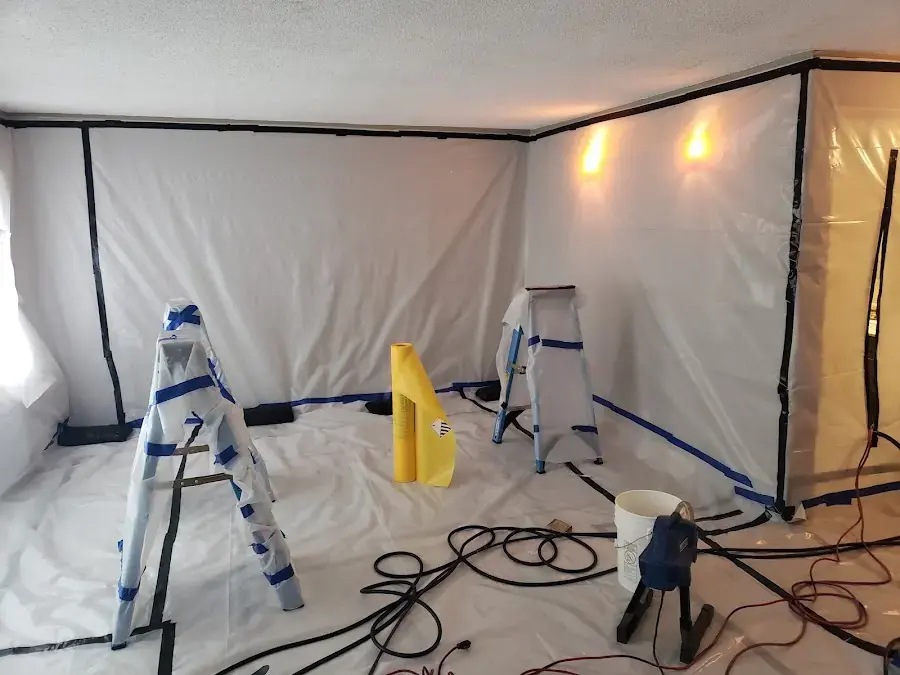
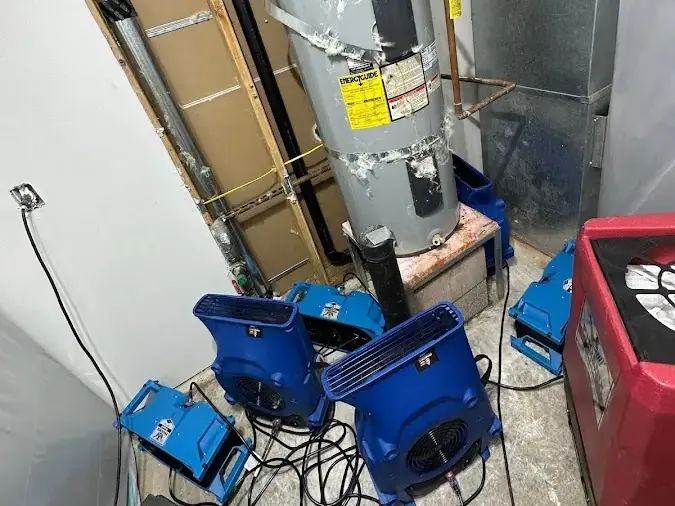
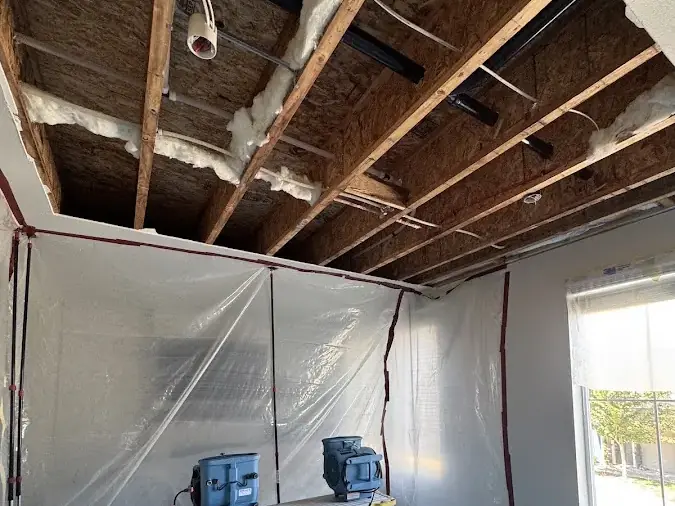
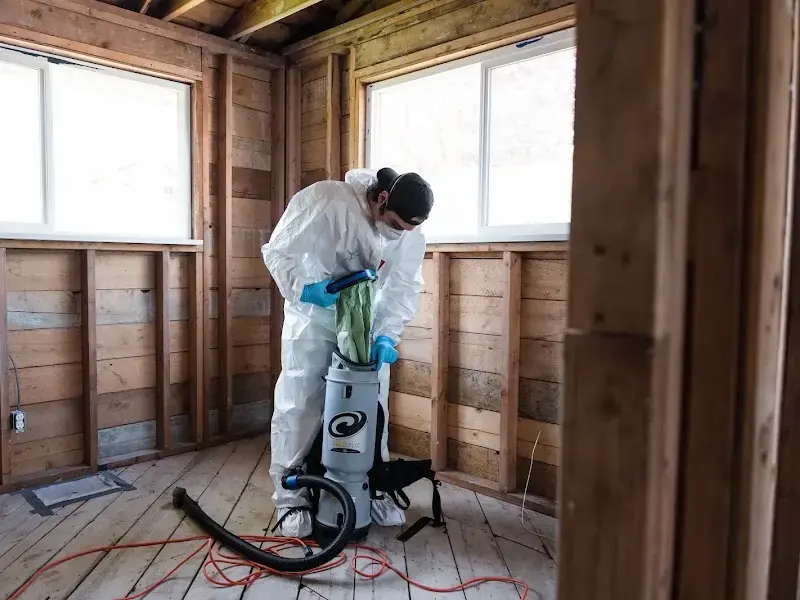
The kind of work a Snohomish water loss involves
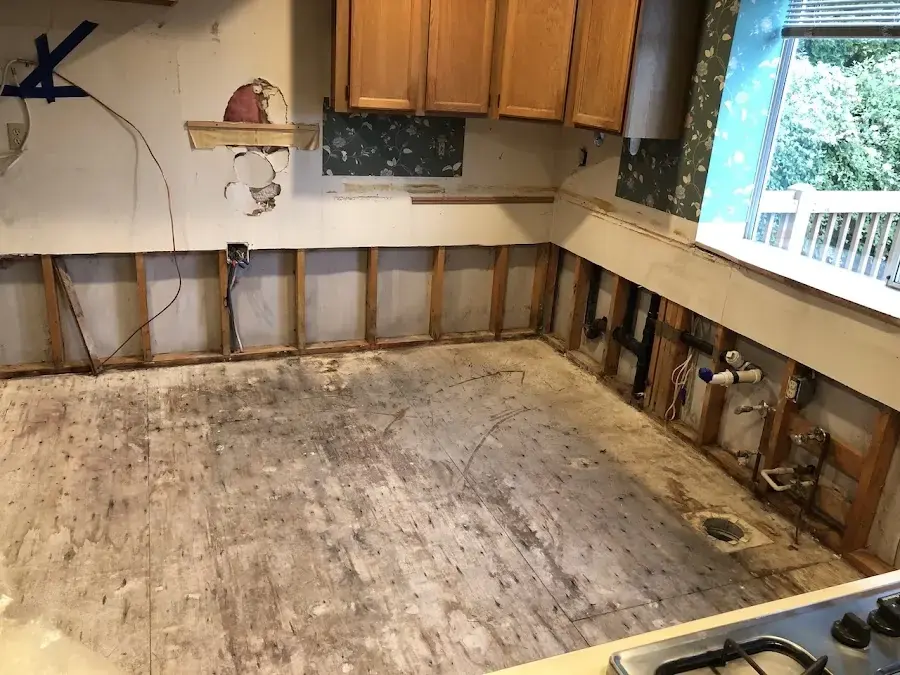
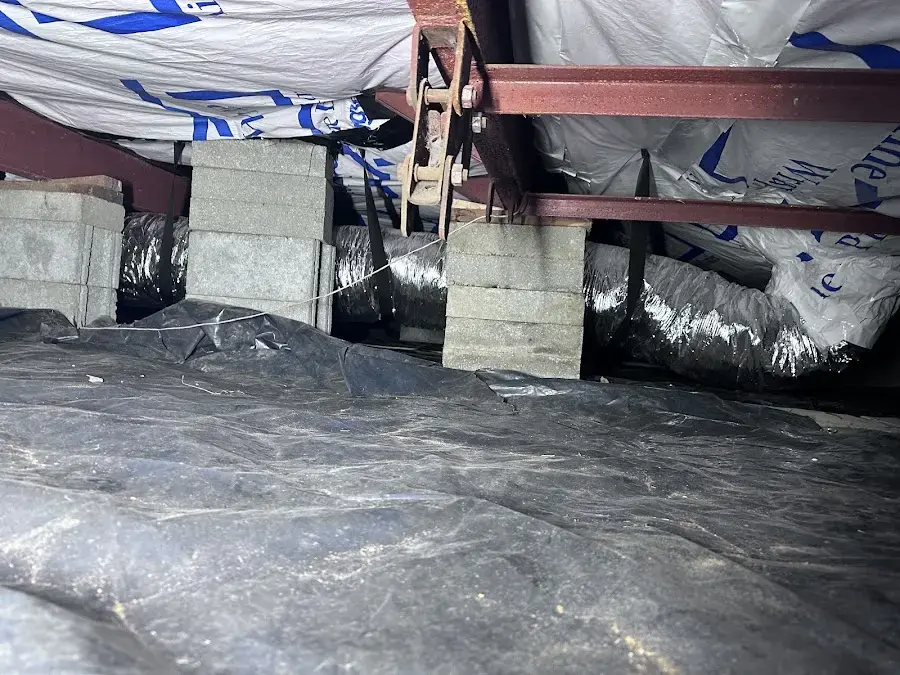
Neighborhoods and ZIP codes across Snohomish
Snohomish neighborhoods
ZIP codes
Nearby towns
Rivers, storms and aging plumbing shape Snohomish losses
The city's own emergency plan calls flooding one of its most persistent hazards, and storms, wind and snow have all caused property loss. Those dated events below show what water has actually done in Snohomish.
- November 15, 2021
Flooding closed Lincoln Avenue at First Street, and the Snohomish River ran well above flood stage across the lowlands around the city.
- November 5, 2022
A severe wind and rainstorm caused minor flooding, felled dozens of trees and left more than 1,000 residents without power for over three days.
- November 19, 2024
A bomb cyclone cut power to most of the city north of Second Street, and a large tree uprooted a water main.
- December 2025
The Snohomish River crested at a record 34.15 feet on December 11, passing the 1990 record, and water surrounded homes on Lincoln Avenue.
River rise at the gauge
Lincoln Avenue floods once the Snohomish River reaches 25 feet at the gauge, and at 33 feet the county's gauge notes describe major flooding in all areas.
Wind, rain and power loss
The November 2022 and November 2024 storms downed trees and cut power, and wherever a roof or siding was breached, rain followed into walls and ceilings.
Combined sewer in older areas
Downtown and the older neighborhoods share a combined sewage and stormwater system that the city is working to separate, while the rest of the city has separate systems.
Homes of many ages
About 52 percent of Snohomish homes were built before 1980 and about 38 percent in 1990 or later, so plumbing, roofing and water heaters range from original to recent.
Snohomish water damage questions answered
Need help with Snohomish water now?
Describe the source and the rooms involved, and dispatch will assemble the pumps and drying equipment that the job calls for.
(888) 509-1696Talk to dispatch about Snohomish waterWhat comes first when a pipe bursts in a Snohomish home?
Shut off the main water valve, switch off power to wet rooms and call for extraction. Moving belongings off wet floors and taking photos before anything is cleaned up helps both the drying and the claim.
Does the crew handle river flooding as well as leaks?
Yes. Water from the Snohomish or Pilchuck River is treated as contaminated, so porous materials are removed and the structure sanitized before drying starts. The steps for flood water cleanup differ sharply from a clean pipe leak.
How is it confirmed that the structure is dry?
Moisture meters are read on drywall, framing and flooring each day and compared with a dry reference. Equipment stays in place until the readings match, and the log goes into the claim record for the adjuster, along with the first photos.
Does homeowners insurance pay for water damage restoration?
Sudden pipe, appliance and water heater failures are commonly covered, though each policy decides, and rising river water usually needs separate flood coverage. The adjuster should hear about the source and see photos at the start.
What does a sewage backup change about the cleanup?
Sewage is Category 3 water, so protective gear, containment, removal of porous materials and antimicrobial treatment come before any drying. Carpet, padding and lower drywall that touched it are usually discarded, as covered in sewage backup cleanup.
Can a business stay open during water damage work?
Often, yes. Work is phased by suite or floor, with containment between tenants and equipment placed to leave aisles, entrances and unaffected rooms usable for shops, offices and apartments around First Street and Avenue D.
Why does drying continue after the water is gone?
Water soaks into framing, subfloors and insulation that feel dry on the surface. Left damp, those materials can grow mold within the first day or two, so structural drying continues until deep readings are normal.
How does older housing change a water damage job?
Homes in the Historic District are mostly wood, with many dating from before 1920, so crews work carefully around original trim and flooring and test materials before removing anything that might be saved.
What happens to a ceiling that is stained but not dripping?
Water may still sit above it. The leak path is traced, a moisture meter checks the drywall and insulation, and the ceiling is opened only if it is holding water or has started to sag, which keeps the repair small.
Which Snohomish neighborhoods are covered?
Crews serve ZIP codes 98290, 98291 and 98296, including Downtown, the Pilchuck District, the Midtown District, North Lake, Blackmans Lake and Dutch Hill, plus homes and businesses elsewhere in the city.
Standing water in Snohomish keeps soaking in until someone removes it
Whether the cause is a split pipe, a storm or the river, the first records and the first removal of water shape everything that follows, from drying time to the claim.
(888) 509-1696Send a crew to Snohomish- Moving water handled as urgent, nights included
- Drying held to IICRC S500
- Moisture logs kept for your insurer