Storm Water Damage in Lake Stevens, WA
Atmospheric river storms drive rain sideways into windows, doors, siding and decks. The storm crew extracts what came in, opens wet walls only where meters say and dries the structure to the IICRC S500 goal, 24/7.
(888) 509-1696Get the storm water out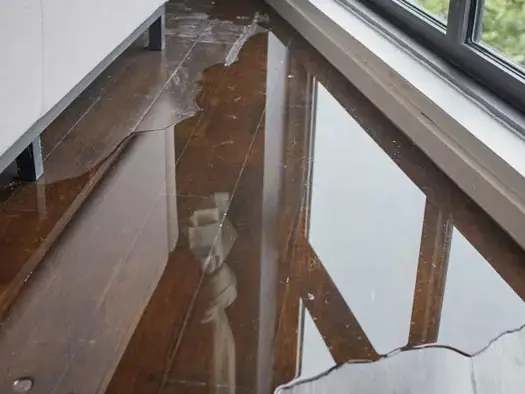
What to do first about storm water damage in Lake Stevens
- 1
Catch the water
Towels, buckets and a wet vacuum keep rain from spreading across the floor.
- 2
Cover the opening if it is safe
Plastic over a broken window or a leaking door slows the water. Stay off ladders in high wind.
- 3
Pull things away from the wet wall
Move furniture, rugs and boxes away from the wall where water is coming in.
- 4
Photograph the entry point
Photos of the window, door or siding where water came in help the insurance claim.
What does storm water damage cost in Lake Stevens, WA?
In Lake Stevens, WA, storm water damage cleanup typically runs $1,500 to $8,000, depending on how many walls took water, how long it ran inside the cavities and whether flooring or insulation has to come out.
One wall or window
$1,500 to $3,500
- Extraction
- Baseboards off and wall checks
- Daily readings
Several walls or rooms
$3,500 to $8,000
- Flood cuts along exterior walls
- Wet insulation removed
- Carpet pad replaced
Widespread storm entry
$8,000 to $18,000
- Several rooms opened
- Subfloor drying
- Longer equipment time
These are typical ranges, never a quote. The water category, the wet square footage, the material class and how soon drying began move the total most. The Lake Stevens water damage cost calculator narrows it for your own loss.
How the storm water damage job runs in Lake Stevens
The walkthrough tech takes moisture readings before a single air mover goes down, so the plan follows what is actually wet. The drying team leaves the equipment running until the meters, not the look of the room, say the job is dry.
- 1
Find the entry point
The walkthrough traces where rain came in and how far it ran inside the wall.
- 2
Extract
Standing water and soaked carpet are pulled before the water wicks higher.
- 3
Open wet cavities
Baseboards and lower drywall come off only where readings show water inside.
- 4
Dry and verify
Dehumidifiers and air movers run until framing and drywall reach the drying goal.
How storm water gets in
- Window frames and sills that leak under wind-driven rain
- Door thresholds and sliding door tracks that overflow
- Deck ledgers, siding joints and trim that let water behind the wall
- Vents and attic openings that take in rain during a windstorm
How the dry-out works
The extraction crew pulls water from floors and carpet first. The tech who does the walkthrough runs thermal imaging along the exterior walls, because rain that enters at a window or the siding often travels down the cavity and soaks the bottom plate and insulation.
Walls are opened only where readings show trapped water. LGR dehumidifiers and air movers then run until framing and drywall reach the drying goal, which takes longer in the damp air of the wet season. Water through the roof is roof leak water damage; water rising from outside is flood water cleanup.
Before the next storm
The National Weather Service Seattle office issues wind and heavy rain warnings for Snohomish County, and Ready.gov severe weather covers what to do before one hits. Clear gutters, check window and door seals in the fall, and keep downspouts aimed away from the house.
Storm water damage all around Lake Stevens
The Lake Stevens restoration crew covers ZIP 98258 all the way around the lake, from Downtown, North Cove and Hartford to Frontier Village, Cavalero Hill, Soper Hill and the 20th Street SE corridor.
The same work reaches Marysville, Snohomish, Everett, Granite Falls and Machias.
Other water damage services in Lake Stevens
Storm Water Damage questions in Lake Stevens, WA
Rain coming in?
Any leak still running in Lake Stevens is handled as urgent, day or night.
(888) 509-1696Storm leak help for Lake Stevens homesWhy does water come in around my window only in big storms?
Wind drives rain into frame joints, sill gaps and flashing that stay dry in calm rain. A window or siding contractor seals the opening; the restoration team dries the wall.
Is storm water damage covered by insurance?
Rain blown in through a storm-damaged window or roof is often covered, slow leaks from worn seals may not be, and rising flood water needs flood coverage. Coverage depends on your policy, so check with your own insurer.
Do exterior walls need to be opened?
Only where readings show water inside the cavity. Wet insulation behind the drywall holds water against the framing, so those sections come out.
How long does storm water damage take to dry?
Usually three to six days. The wet season's damp air slows drying, so dehumidifiers do more of the work than open windows.
What if the power is out after the storm?
Equipment cannot run without power. Until it is back, pull standing water with towels and a wet vacuum, move belongings to dry rooms and photograph the damage.
Should the window be fixed before the wall is dried?
A temporary cover keeps more water out while the wall dries. The permanent repair follows once the framing reads dry.
Storm water inside? Get the walls dried.
The storm crew extracts the water, opens only the wet cavities and dries the structure to the IICRC S500 goal, 24/7.
(888) 509-1696Start Lake Stevens storm water cleanup- Moving water handled as urgent, nights included
- Drying held to IICRC S500
- Moisture logs kept for your insurer