Basement Flooding Cleanup in Lake Stevens, WA
A Lake Stevens basement can take water through walls, slab cracks and window wells when winter rain soaks the ground. The basement crew pumps it out, removes what cannot dry and dries the rest to the IICRC S500 goal, 24/7.
(888) 509-1696Call about a flooded basement now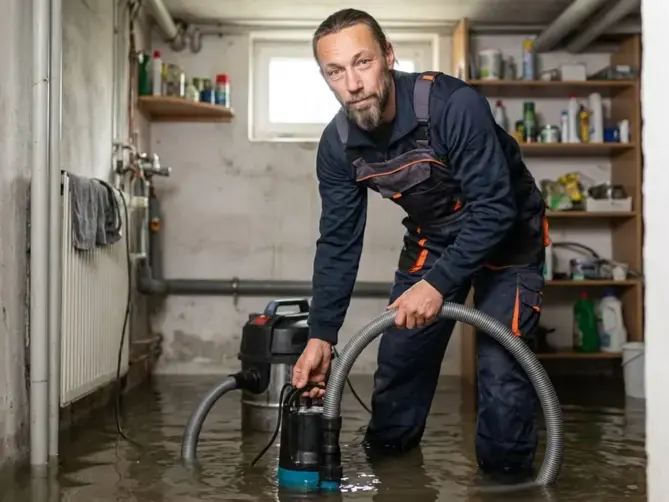
What to do first about basement flooding cleanup in Lake Stevens
- 1
Stay out if outlets are under water
Switch off power at the panel only if you can reach it without stepping into water.
- 2
Find the source
A burst pipe, a failed water heater and seepage after rain each need a different fix.
- 3
Check the sump pump
If it has power and runs, leave it on. If it is jammed or dead, mention it at the walkthrough.
- 4
Lift what is still dry
Move boxes, electronics and papers to a dry floor, and photograph what got wet.
What does basement flooding cleanup cost in Lake Stevens, WA?
In Lake Stevens, WA, basement flooding cleanup typically runs $2,000 to $10,000, depending on how deep the water got, whether the basement is finished and whether the water was clean or came from outside.
Unfinished basement
$2,000 to $5,000
- Pump-out and wet vacuum
- Slab and wall drying
- Daily readings
Finished basement, clean water
$5,000 to $10,000
- Flood cuts and insulation removal
- Carpet pad removed
- Framing and slab drying
Finished basement, outside or drain water
$10,000 to $25,000
- Category 3 removal and antimicrobial
- Containment set up
- Longer drying time
These are typical ranges, never a quote. The water category, the wet square footage, the material class and how soon drying began move the total most. The Lake Stevens water damage cost calculator narrows it for your own loss.
How the basement flooding cleanup job runs in Lake Stevens
The walkthrough tech takes moisture readings before a single air mover goes down, so the plan follows what is actually wet. The drying team leaves the equipment running until the meters, not the look of the room, say the job is dry.
- 1
Pump and vacuum
Submersible pumps and wet vacuums pull the standing water first.
- 2
Map walls and slab
Meters and thermal imaging show how high water wicked and what the slab is holding.
- 3
Remove what cannot dry
Wet drywall, insulation and pad come out, with photos taken before demolition.
- 4
Dry and record
Dehumidifiers and air movers run until walls, framing and slab reach the drying goal.
How water gets into a basement here
- Seepage through foundation cracks and the wall-to-floor joint
- Window wells that fill in a heavy rain
- A sump pump that fails or loses power in a storm
- Supply leaks, water heaters and washers inside the basement
- Floor drain backups, which are handled as sewage
How the cleanup works
The extraction crew pumps standing water with submersible pumps and wet vacuums, then the tech who does the walkthrough maps the walls, framing and slab. Finished walls take on water from the bottom plate up, so drywall and insulation in the wet zone usually come out with a flood cut.
Concrete holds water and gives it up slowly, so the drying team runs LGR or desiccant dehumidifiers until the slab and framing reach the drying goal. The USGS Water Science School explains how saturated ground pushes water toward a foundation.
Water category decides what stays
Clean water from a supply pipe often dries in place if caught early. Seepage from outside and any floor drain backup are handled as contaminated: carpet, pad and porous materials they touched are removed, not dried, and surfaces get an EPA-registered antimicrobial. Ready.gov flood safety covers electrical and health precautions before anyone wades in.
Basement flooding cleanup all around Lake Stevens
The Lake Stevens restoration crew covers ZIP 98258 all the way around the lake, from Downtown, North Cove and Hartford to Frontier Village, Cavalero Hill, Soper Hill and the 20th Street SE corridor.
The same work reaches Marysville, Snohomish, Everett, Granite Falls and Machias.
Other water damage services in Lake Stevens
Basement Flooding Cleanup questions in Lake Stevens, WA
Basement taking on water?
Any leak still running in Lake Stevens is handled as urgent, day or night.
(888) 509-1696Basement water help, any hourWhy does my basement take water every winter?
Shallow soil over hardpan keeps winter rain near the surface, and saturated ground pushes water through cracks and joints. Gutters, downspouts and grading that send water toward the house make it worse.
What if the sump pump failed?
The restoration team pumps and dries the basement. A plumber or drainage contractor repairs or replaces the pump, and a battery backup helps during storms that cut power.
Is basement seepage covered by insurance?
Seepage and groundwater are often excluded from standard homeowners policies, while a sudden pipe break may be covered. Some policies offer a sump or drain backup endorsement. Coverage depends on your policy, so check with your own insurer.
Does finished drywall have to come out?
Drywall touched by outside or drain water comes out. With clean water, it often dries in place unless it swelled or has wet insulation behind it. Readings decide.
How long does a basement take to dry?
Usually four to eight days. Concrete and thick framing give up water slowly, and drying ends when readings reach the goal.
Is water from a floor drain sewage?
Treat it that way. Water that comes up through a floor drain usually comes from the sewer system and is Category 3. See sewage backup cleanup.
Water in the basement? Start the pump-out.
The basement crew pumps the water, removes what cannot dry and dries walls and slab to the IICRC S500 goal, 24/7.
(888) 509-1696Call for a basement pump-out- Moving water handled as urgent, nights included
- Drying held to IICRC S500
- Moisture logs kept for your insurer