Water Damage Restoration in Everett, WA
Burst pipes, failed water heaters, storm runoff and sewage backups are pumped out and dried across Everett, from Bayside to Eastmont. Crews map the moisture first, then set equipment sized to the wet rooms.
(888) 509-1696Call about water in an Everett home or shopHouses, apartments and downtown storefronts get the same steps: measure, extract, dry, and keep a written log for the adjuster.
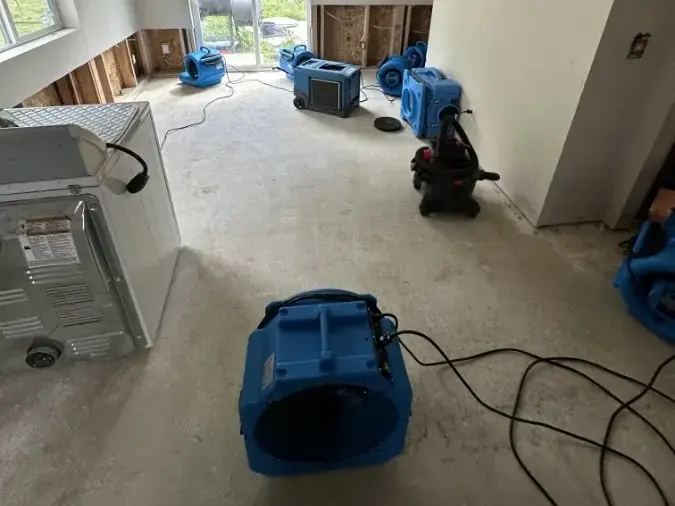
Five steps that protect the house until the crew starts
What happens before the crew starts decides how much of the structure can be saved. These five moves are safe for any Everett owner to make.
(888) 509-1696Send an Everett crew to start the drying- 1
Stop the water
Close the fixture valve or turn off the main. Everett lends shut-off keys so owners can close the meter valve, which normally sits at the lot boundary.
- 2
Cut power to wet rooms
Switch off the breakers serving wet rooms, and stay out of standing water near outlets, extension cords or the electrical panel.
- 3
Document the loss
Photograph and film every wet surface and damaged item before anything moves, and note when the water was found. Adjusters rely on those first images.
- 4
Lift items off floors
Move small furniture, rugs and electronics to dry ground, and prop sofa legs on foil or blocks so the finish does not stain. Leave heavy pieces for the crew.
- 5
Call for extraction
Phone a restoration crew before opening walls or running fans. Wet drywall and insulation can often be saved when drying starts early.
Water and sewage cleanup for Everett properties
Everett jobs run from a split supply pipe under a kitchen sink to a flooded crawl space or a sewage backup in a basement bathroom. Each job type has its own drying plan, disposal method and cost range.
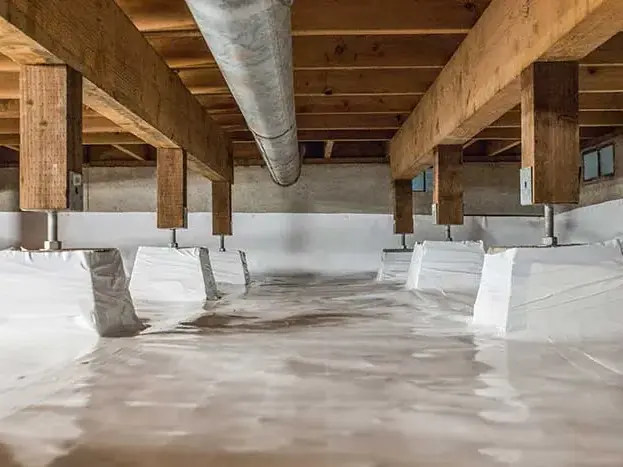
Crawl Space Water Removal
Pump-out, wet insulation removal and framing drying for standing water under a raised floor.
How it is done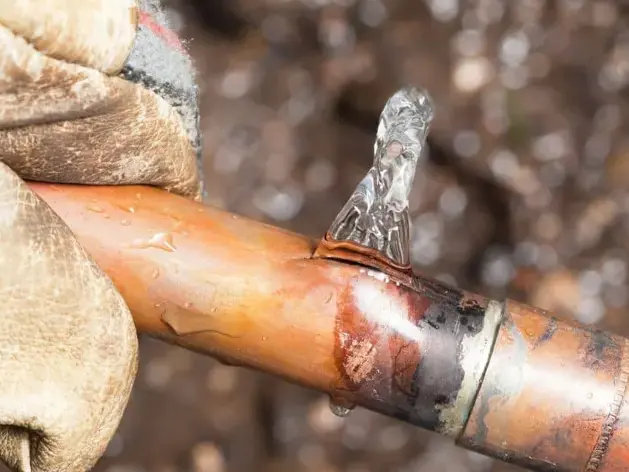
Burst Pipe Water Damage
Split supply pipes are shut off and traced, then soaked rooms are dried before drywall swells.
How it is done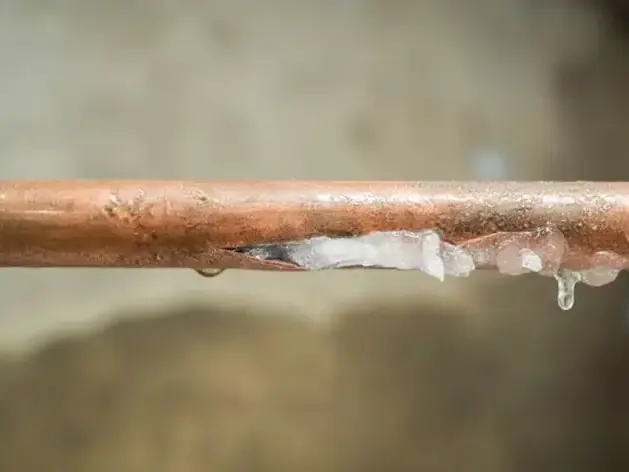
Frozen Pipe Water Damage
Cold snap pipe splits leak on the thaw, and the soaked area is found and dried.
How it is done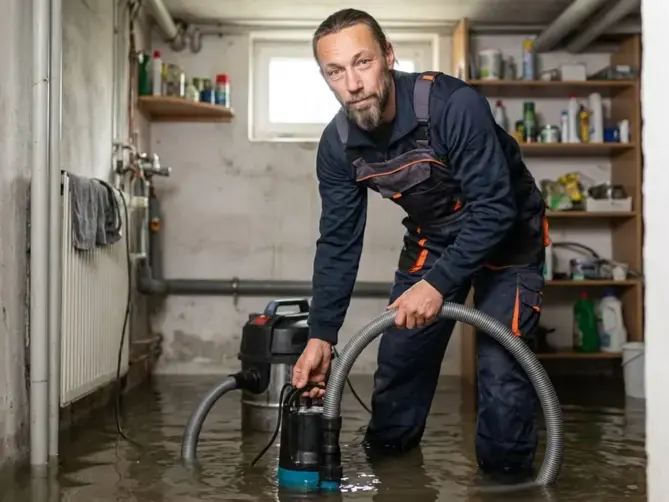
Basement Flooding Cleanup
Pump-out, wet vacuuming and wall and slab drying when runoff or groundwater reaches a lower floor.
How it is done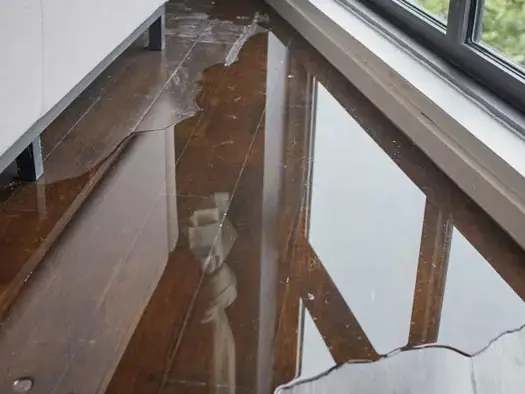
Storm Water Damage
Wind-driven rain that gets past a window or wall is extracted and the wet framing dried.
How it is done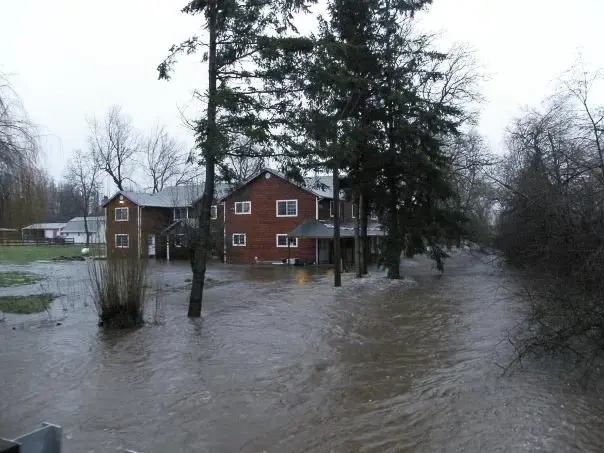
Flood Water Cleanup
River, slough or bay water inside a building is treated as contaminated, removed and dried out.
How it is done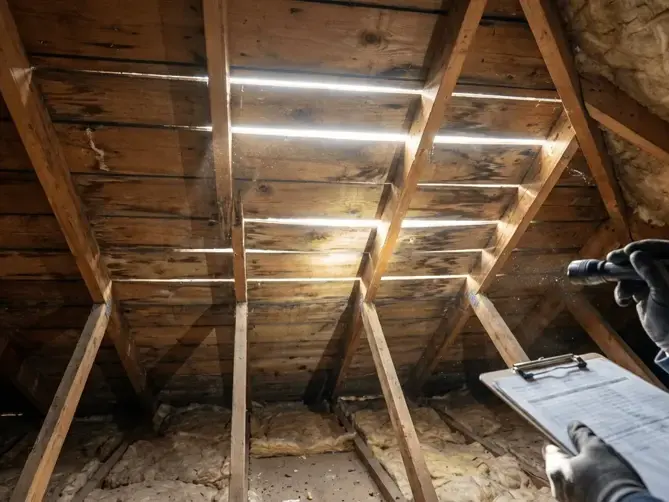
Roof Leak Water Damage
Wet attic insulation and sheathing come out, then rafters and the ceilings below are dried.
How it is done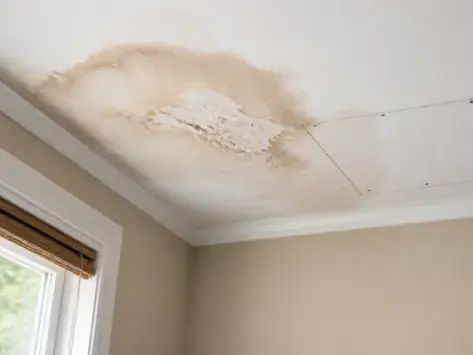
Ceiling Leak Water Damage
Stained ceilings are traced to the leak, opened where wet and dried, with the floor below checked.
How it is done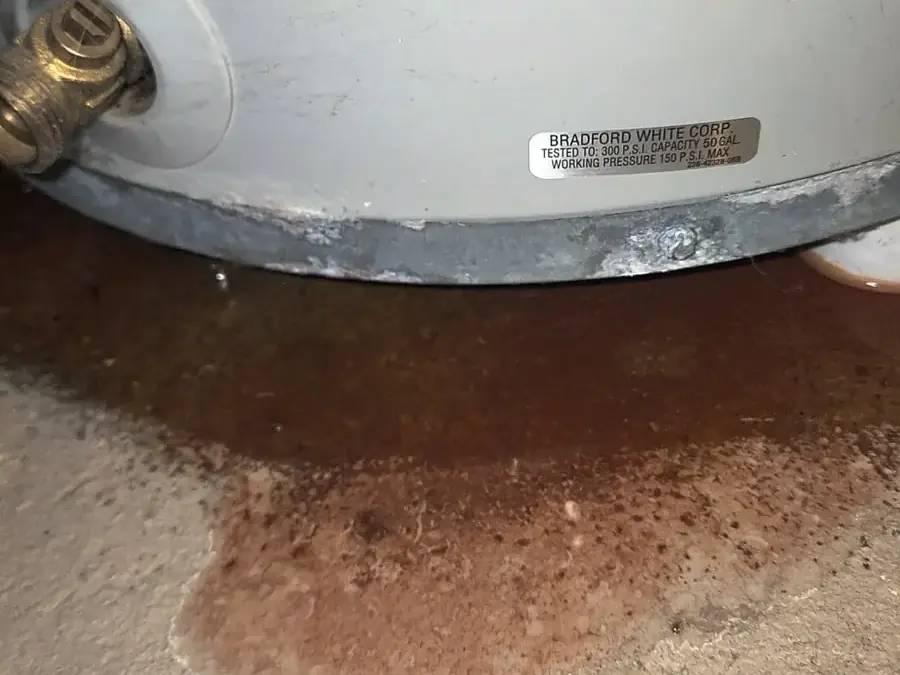
Water Heater Leak Cleanup
Tank leaks in a closet, garage or laundry room are extracted and nearby walls and flooring dried.
How it is done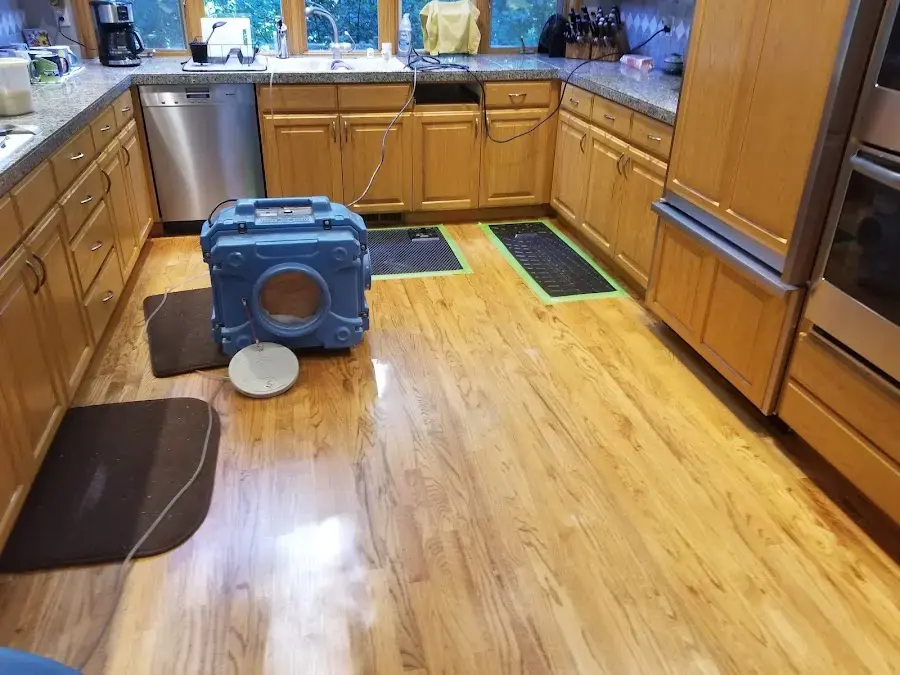
Appliance Leak Water Damage
Washer, dishwasher and refrigerator leaks are dried under cabinets and flooring, where damage usually hides.
How it is done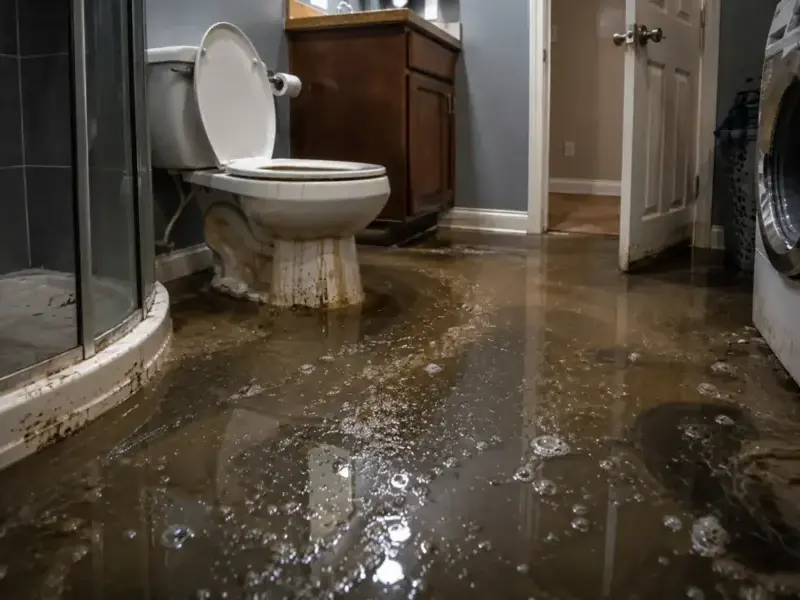
Sewage Backup Cleanup
Backed-up sewage is contained, removed and sanitized, and everything it touched is cleaned or discarded.
How it is done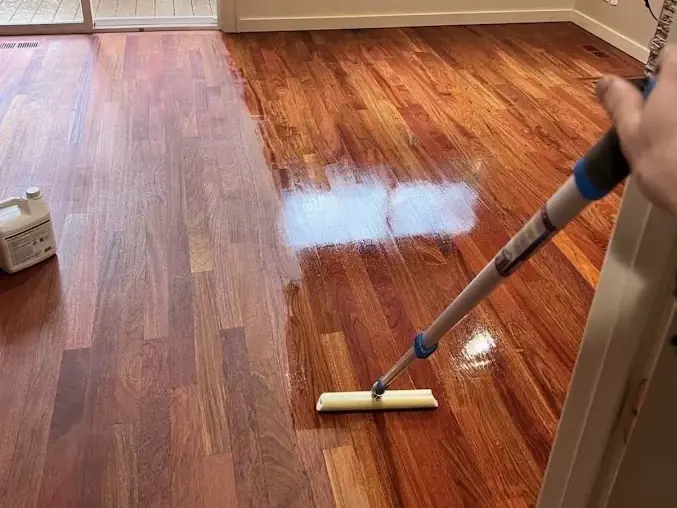
Water Extraction and Removal
Truck-mounted and portable extractors pull standing water out of carpet, pad and hard floors.
How it is done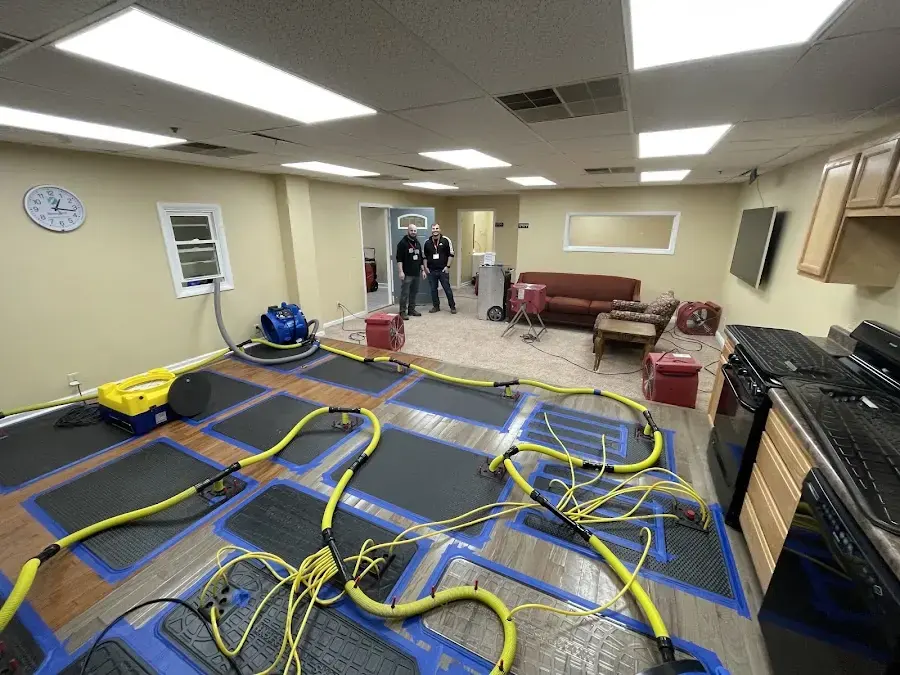
Structural Drying and Dehumidification
Air movers and dehumidifiers dry floors, walls and framing, with readings taken until the wood tests dry.
How it is done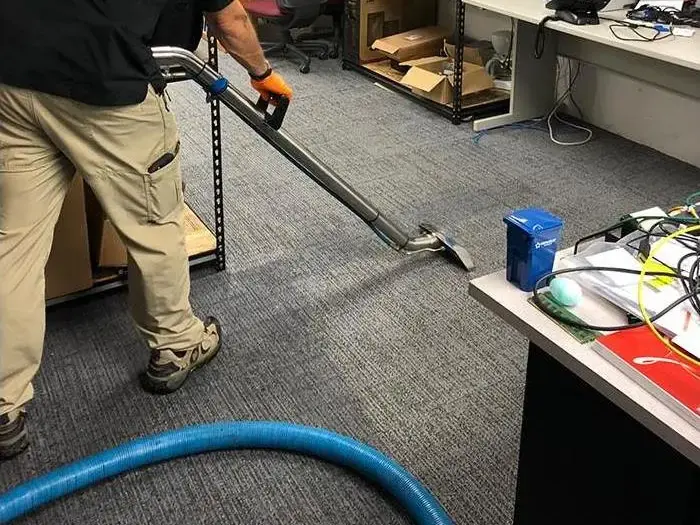
Commercial Water Damage
Suites, storefronts and apartment buildings get phased drying, with containment between affected tenants.
How it is done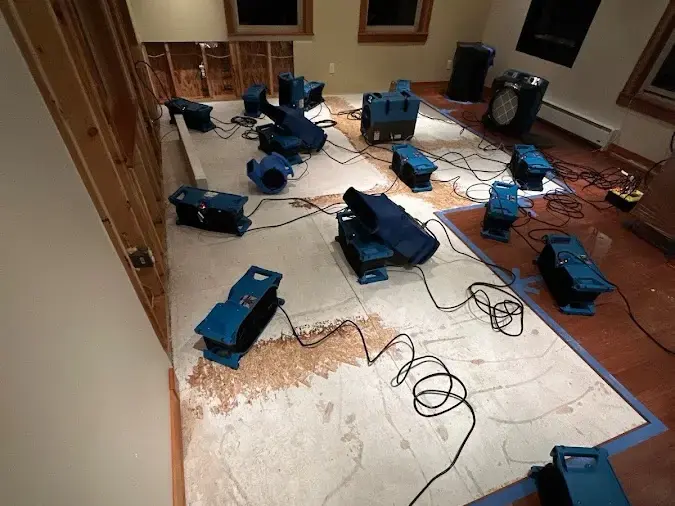
How the crew handles Everett water losses
Everett mixes older houses, apartment buildings and downtown offices, so no two losses dry the same way. Dispatch runs day and night, equipment is sized to the damage, and the paperwork is written for the adjuster from the first photo onward. Crews stay on a job until the readings say it is dry.
Round-the-clock dispatch
Pipes burst and sewers back up at night and on holidays, so dispatch answers around the clock, weekends included.
Equipment sized to the loss
Extractors, air movers and dehumidifiers are matched to the wet area, not dropped in at the same count on every job.
Claim-ready records
Moisture logs, dated photos and equipment counts are saved for each visit so an adjuster can follow the whole job.
Everett water know-how
Crews plan around the wet October to March season, southwest creek ravines and the mix of houses and apartments.
What water damage cleanup usually costs in Everett
Cost follows three things: how much water, how long it sat and what kind it was. A caught-early supply leak runs about $1,200 to $4,500, while contaminated water in an Everett home can reach $9,000 to $30,000.
Small and caught early
$1,200 to $4,500
- Extraction and drying in place
- Baseboards off if needed
- Readings taken each visit
Several rooms affected
$4,500 to $12,500
- Flood cuts where walls hold water
- Wet pad and insulation removed
- Structural drying equipment
Contaminated or long-standing
$9,000 to $30,000
- Antimicrobial treatment and containment
- Porous materials removed and discarded
- Longer drying and more readings
Final pricing follows a walkthrough with a moisture meter, since hidden wet framing changes the scope of an Everett job. Photos, daily readings and itemized invoices back up each stage of an insurance claim.
Measured moisture, documented progress, dry framing at the end
Every job follows the IICRC S500 water damage standard: moisture is mapped before any equipment goes down, readings are logged each visit, and the equipment stays until the framing and subfloor reach their dry targets.
- 1
Measure first
A meter and thermal camera trace where the water traveled, so wet drywall, subfloor and insulation are identified and marked before anything gets torn out.
- 2
Remove the water
Pumps and extractors take the bulk of the water first, since every gallon left behind has to be evaporated later by the dehumidifiers.
- 3
Set the drying
Air movers and dehumidifiers are placed by room class and wet material, then adjusted at each visit as the readings fall toward dry.
- 4
Confirm it is dry
Final readings are compared with dry reference points elsewhere in the house, and the full log is saved for the insurance file.
Where the water came from sets the job
Clean supply water
Broken supply pipes and failed fittings release clean water that can be dried in place if removal starts before it soaks into pad and drywall.
Burst pipe water damageAppliance and tank leaks
Washers, dishwashers and water heaters can leak slowly, so water often travels under cabinets and flooring long before a stain or soft spot shows.
Appliance leak water damageBlack water from drains and floods
Sewage, drain overflow and river or slough water carry bacteria, so porous materials are removed and the area is sanitized before drying begins.
Sewage backup cleanupClaim paperwork for water losses
Adjusters pay on what can be shown, so the record should start before the first fan is switched on and continue until drying ends.
- Dated photos and video of every wet room and damaged item
- The cause of the loss, such as a failed supply pipe or a backed-up drain
- Moisture readings from each visit, kept in date order
- A list of removed materials and the equipment that ran each day
- Itemized invoices that match the work actually performed
Equipment and methods used on Everett water jobs
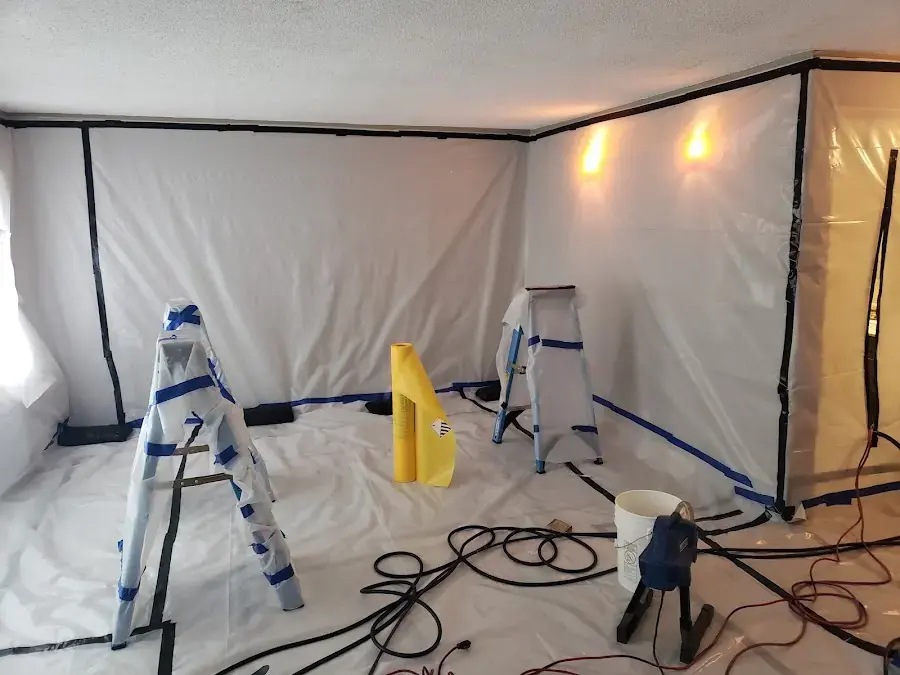
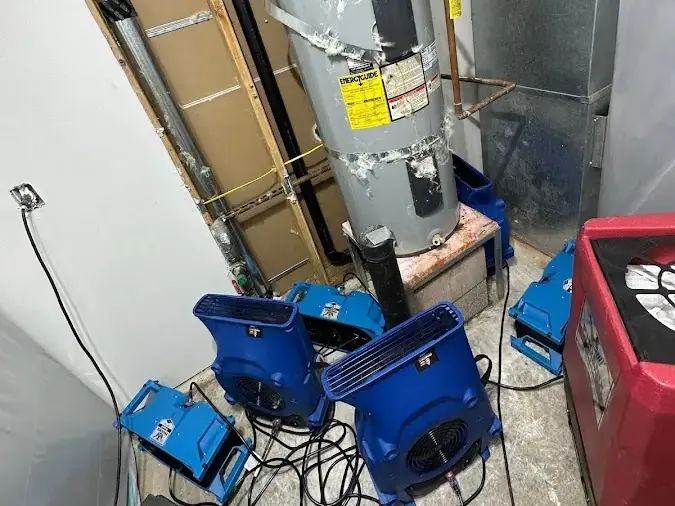
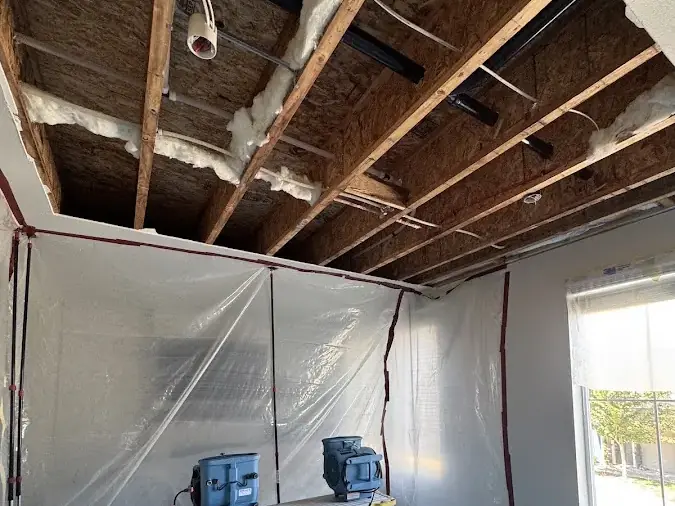
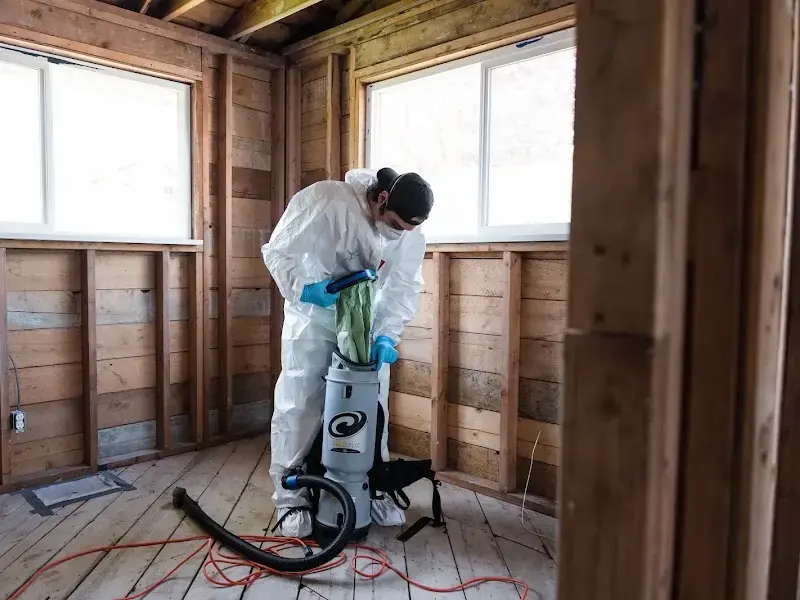
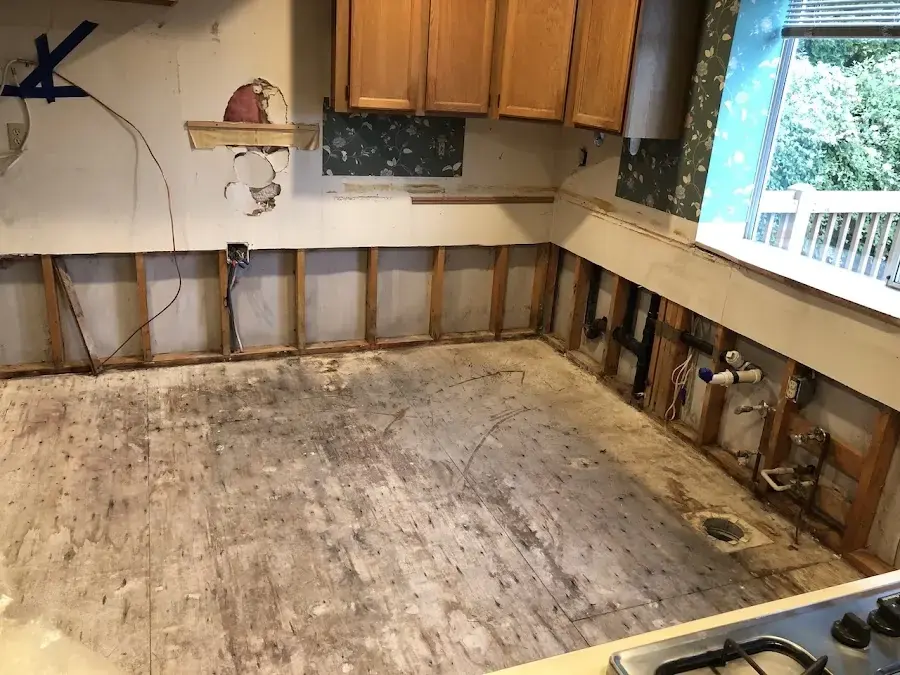
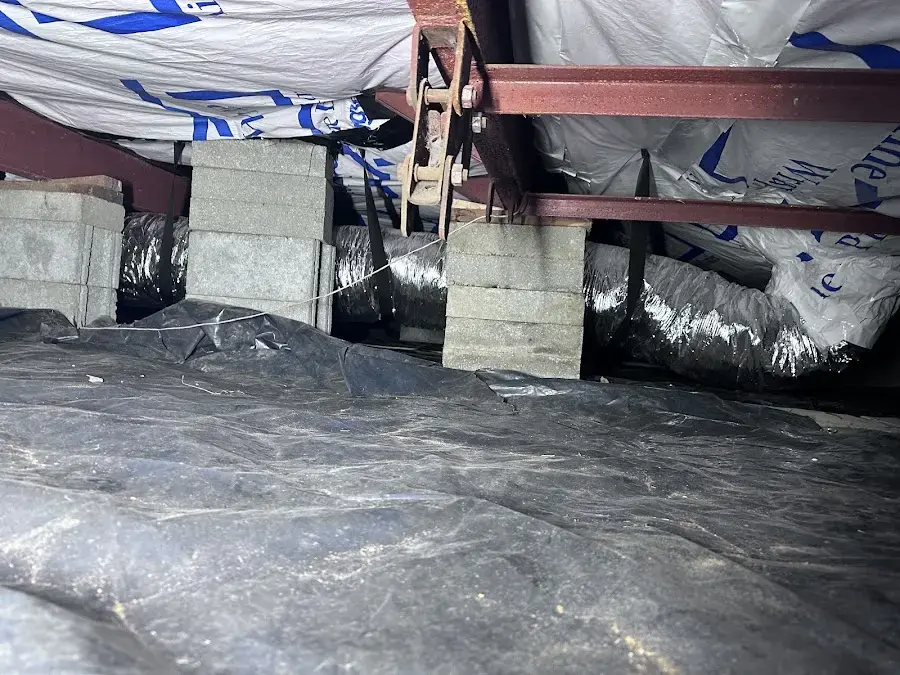
Water damage crews across Everett
Everett neighborhoods
ZIP codes
Nearby towns
What drives water damage in Everett homes and businesses
Everett gets about 35.71 inches of rain a year, most of it from October to March. Add creek ravines, the Snohomish River delta and aging city mains, and water finds many ways into a building.
- October 17, 2018
A 6-inch cast iron main from 1949 broke on Grand Avenue near Grand Avenue Park in north Everett.
- 2023
Water from a broken main spread across Pacific and Broadway in downtown Everett, and a lane on each street was blocked.
- December 2025
Record Snohomish River flows led Snohomish County to order evacuations for Ebey Island, while the City of Everett kept watch on Riverfront Boulevard.
- June 30, 2026
A main break on West Marine View Drive shut off water to about a half dozen waterfront businesses for less than 24 hours.
Long wet season
Rain falls mostly between October and March and peaks in December, so roofs, gutters, drains and crawl spaces stay under pressure for months at a stretch.
Convergence Zone storms
At the north end of the Puget Sound Convergence Zone, Everett sees heavier rain and stronger winds than the rest of the region, which drives water past siding, flashing and windows.
Creek ravines and slopes
Southwestern Everett has ravines cut by creeks that drain to Port Gardner Bay, and the ground there is prone to mudslides, so runoff can behave differently from one street to the next.
Aging mains and combined sewers
The city says cast iron water mains made between 1945 and 1955 fail more often, and the north end combined sewer, largely built from 1890 to 1963, can exceed capacity in heavy rain.
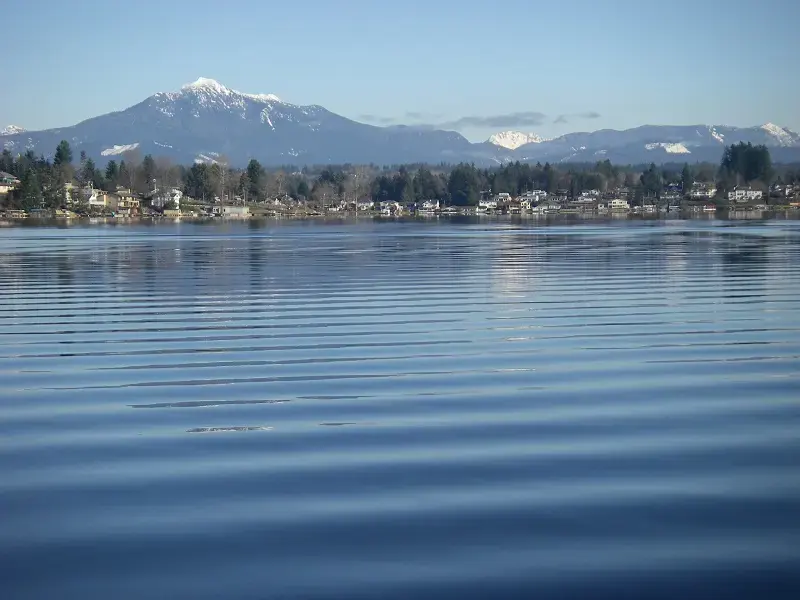
Everett water damage questions
Water on the floor right now?
A quick description of the source and the rooms lets the crew load the right pumps and dehumidifiers.
(888) 509-1696Talk to an Everett water damage crewWhy does drying need to start right away?
Wet drywall, insulation and subfloor begin to break down within a day or two, and swelling and odors follow. Extraction comes first, then equipment goes in so the structure dries before mold or warping can set in.
Does homeowners insurance pay for a burst pipe?
Sudden burst pipe failures are usually covered, while slow or ignored leaks often are not. Photos, moisture readings and a written cause of loss help the adjuster, and the crew keeps all three from the first visit.
Is river or slough flooding covered by a standard policy?
Usually not. A Snohomish County fact sheet on the new flood maps says most homeowners insurance policies leave out flood damage, and levees on Steamboat Slough, Union Slough and Ebey Island are non-accredited. A separate flood policy is the usual route.
Who is responsible for a sewer backup, the city or the owner?
The City of Everett maintains sewer pipes in the public right of way, and a city ordinance makes owners responsible for side sewers outside it. A plumber or the city can tell which section is clogged; the cleanup of a sewage backup starts either way.
What if the water comes from a city main break?
Everett averaged 23 water main breaks a year from 2017 to 2022, a rate lower than the national average. When a break in the street sends water toward a building, extraction and drying are the same as for any other source.
What if the leak starts in a neighbor's apartment?
About 47 percent of Everett housing units sit in buildings with two or more units, so water often reaches the unit below. Photos in both units, notice to the property manager and coordinated drying keep the claims straight.
How long does structural drying usually take?
Clean water jobs often run three to five days, while hardwood, subfloor and crawl space jobs take longer. October to March air is damp, so the equipment, not open windows, does the work.
Can wet carpet and pad be saved?
Clean water on carpet can sometimes be saved if the pad comes out and the carpet is dried quickly. Water from a sewage backup or a flood is different, and the carpet and pad are removed and discarded.
Does the crew work on apartments and businesses too?
Yes. Downtown offices and hotels, the retail strips on Evergreen Way and Everett Mall Way, and apartment buildings of every size all get commercial water damage work with containment, phased drying and tenant by tenant documentation.
Is dispatch available nights and weekends?
Dispatch runs around the clock, including nights, weekends and holidays, because pipes fail and drains back up on their own schedule. Extraction begins when the crew reaches the property, and the moisture map follows.
Wet floors in Everett get worse every day they sit
Pumps, dehumidifiers and moisture meters are ready day and night for Everett homes, apartments and businesses. A single call starts the extraction plan and the claim record together.
(888) 509-1696Call for Everett drying help- Moving water handled as urgent, nights included
- Drying held to IICRC S500
- Moisture logs kept for your insurer