Crawl Space Water Removal in Everett, WA
Standing water under a raised floor does quiet damage to joists, subfloor and insulation. Crews in Everett pump the space out, bag the wet batts and dry the framing until the readings settle.
(888) 509-1696Call about water under an Everett home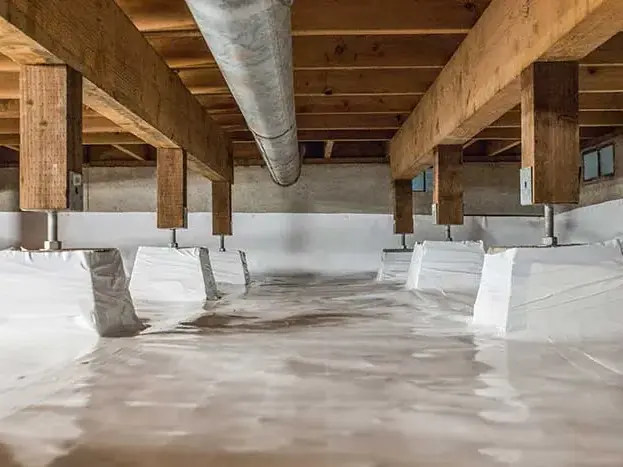
What to do first about crawl space water removal in Everett
- 1
Stay out of the space
Stay out of standing water under the house. Wiring, ducts and cold, murky water make the space unsafe, so leave the entry hatch closed until a crew arrives.
- 2
Find and stop the source
Check for a dripping supply pipe, a failed drain or a downspout dumping beside the foundation, and shut off the water if a pipe is the cause.
- 3
Photograph from the hatch
Take pictures and video of the water level and any wet insulation from the access opening, then note the date for the insurance claim.
- 4
Call a pump-out crew
Describe the water, the access point and any smell so the crew brings the right pumps, hoses and protective gear for the job.
What does crawl space water removal cost in Everett, WA?
A pump-out with drying runs about $1,800 to $4,000 in Everett, and removing wet insulation moves a job into the $4,000 to $8,500 band. Contaminated or long-standing water can reach $8,500 to $18,000.
Pump-out and drying
$1,800 to $4,000
- Water pumped and vacuumed out
- Air movers set below the floor
- Framing metered each visit
Insulation removal added
$4,000 to $8,500
- Wet batts bagged and hauled
- Torn ground cover pulled
- Joists and subfloor dried longer
Contaminated or long-standing
$8,500 to $18,000
- Black water cleanup and antimicrobial
- Silt and debris carried out
- Containment and extended drying
These are typical ranges, never a quote. The water category, the wet square footage, the material class and how soon drying began move the total most. The water damage cost calculator narrows it for your own loss.
How the crawl space water removal job runs in Everett
The walkthrough tech takes moisture readings before a single air mover goes down, so the plan follows what is actually wet. The drying team leaves the equipment running until the meters, not the look of the room, say the job is dry.
- 1
Assess and map
A moisture meter and camera check joists, sill plates, subfloor and ducts so the wet zone is sketched before work begins.
- 2
Pump and bag
Pumps drain the low spots, wet vacuums take the film of water, and saturated insulation is bagged and hauled out.
- 3
Ventilate and dry
Air movers and a dehumidifier run under the floor, ducted outside, until joists and subfloor read dry.
- 4
Verify and document
Final readings, photos and the daily log go into the file, and the barrier is relaid before the equipment leaves.
What a pump-out involves
- Submersible pumps and wet vacuums clear pooled water from the ground cover
- Soaked batts and loose debris are bagged and carried out through the access hatch
- Torn or saturated vapor barrier is pulled so the soil can release moisture
- Joists, sill plates and subfloor are metered and mapped before drying starts
Because crawl spaces are cramped and cold, crews work with lights, respirators when the water is dirty and plastic sheeting laid over the access path to protect the floors above.
Why the floor above suffers too
Wood framing holds water long after the puddle is gone, and the moisture climbs into the subfloor and any hardwood or laminate above. Cupping, a musty smell and soft spots near the plumbing are signs that the space beneath has been wet for a while.
Water that came from a drain or a flooded yard is treated as contaminated, so batts and barrier go out, surfaces are cleaned and an antimicrobial goes on before the equipment for structural drying is set up.
Ground conditions and the source
Ground conditions vary across the city. The Port Gardner Peninsula sits on loamy soil with gravelly sand from glacial outwash, and southwestern Everett has creek ravines and mudslide-prone ground, so the source of the water is part of every assessment.
What gets recorded each visit
- Moisture readings for joists, sill plates and subfloor
- Humidity and temperature inside the space and outdoors
- Photos of the barrier, insulation and equipment placement
Those entries show an adjuster what was wet, what came out and when the framing returned to a dry reading.
Crawl space water removal in Everett and the towns next to it
Crawl space work is taken across Everett ZIP codes 98201, 98203, 98204 and 98208, including older residential areas like Glacier View, Harborview, Seahurst and Glenhaven, plus Westmont, Eastmont and Silver Lake.
The same service nearby: crawl space water removal in Lake Stevens, Snohomish, Marysville.
Related water damage services in Everett
Crawl Space Water Removal questions in Everett, WA
Water standing under the floor?
Any leak still running in Everett is handled as urgent, day or night.
(888) 509-1696Call about an Everett crawl spaceCan a wet crawl space damage the floors above?
Yes. Wood framing and subfloor soak up moisture from below, which can cup hardwood, loosen tile and leave a musty smell. Pumping the water out and drying the joists early limits how far the damage climbs.
Does the rainy season make crawl space water more likely?
The wet season runs mostly from October to March and peaks in December, so downspouts, gutters and yard drainage are tested for months. Water that gets under a house in that stretch often stays until it is pumped.
How can an owner tell if crawl space water is contaminated?
Water from a supply pipe is clean at first, but runoff, a failed drain or a sewage backup is not. A gray or dark color, a sewer smell or silt on the barrier points to contamination, and the cleanup protocol changes.
What does the crew do about wet insulation?
Soaked batts hold water against the subfloor and rarely dry in place, so they are bagged and removed, and the vapor barrier is checked for tears. Replacement is a separate step once the framing reads dry.
Does homeowners insurance pay for crawl space water?
It depends on the source. A split supply pipe is usually covered, while seepage and rising groundwater often are not, and a county fact sheet warns that flood loss is typically excluded. The written cause of loss matters.
How long does crawl space drying take?
Many jobs run three to five days once the water is out, and a longer stay is common when joists were soaked or the water was dirty. Readings decide the finish date, not the calendar.
Standing water under an Everett house keeps spreading into the framing
A crew brings pumps, hoses and air movers, starts the moisture log with the first reading and stays until the framing tests dry.
(888) 509-1696Reach a crawl space crew in Everett- Moving water handled as urgent, nights included
- Drying held to IICRC S500
- Moisture logs kept for your insurer