Water Damage Restoration in Arlington, WA
Supply pipes split, water heaters fail, rain finds the roof and the Stillaguamish rises. Whatever the source, the work in Arlington is the same: find where the water went, remove it, then dry the structure to a measured finish.
(888) 509-1696Water in a Hilltop home or Smokey Point shop? CallEvery loss is measured with a moisture meter, mapped room by room and logged daily until the wet materials read dry.
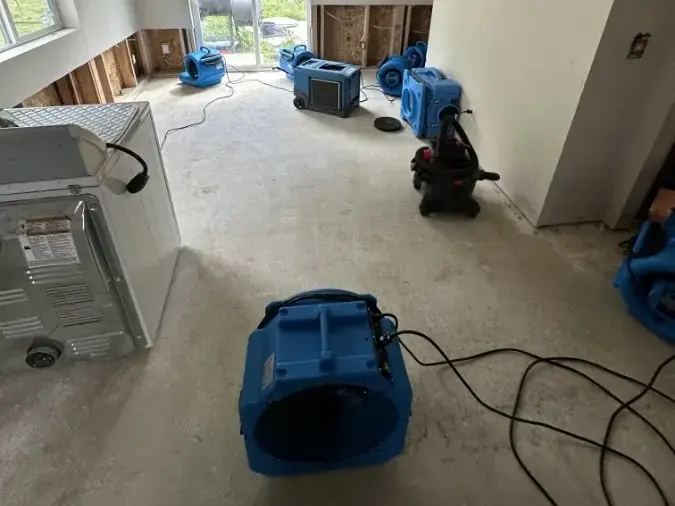
Steps that limit the damage before drying starts
The first actions at a wet property are simple, and taking them in this order protects the household, the belongings and any insurance claim that follows.
(888) 509-1696Walk an Arlington crew through the damage- 1
Stop the source
Close the main shutoff for a supply pipe or appliance leak. If the water is rising from outside or from a drain, do not wade in; leave it for trained crews.
- 2
Cut power to wet areas
Switch off breakers that feed wet rooms only if the panel is dry and reachable. Never touch outlets, cords or appliances while standing in water.
- 3
Photograph the damage
Take wide and close photos of every wet surface, the source and damaged belongings before anything is moved. Insurers rely on that record.
- 4
Lift belongings off wet floors
Move furniture, rugs, electronics and papers to dry ground or onto foil or plastic blocks. Leave heavy pieces alone rather than risk injury.
- 5
Call before tearing anything out
Wet drywall, pad and insulation need to be measured and sorted by water category before removal, so wait for readings, then let the crew decide what goes.
Fourteen kinds of water loss, one standard of drying
Water enters Arlington buildings through supply pipes, roofs, appliances, drains and the river, and each source changes the safety steps, the cleanup method, the drying plan and the paperwork an insurer expects.
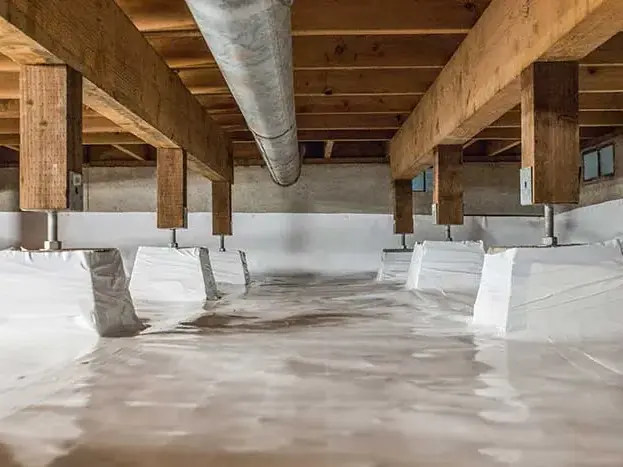
Crawl Space Water Removal
Standing water under a raised floor is pumped out, wet insulation pulled and the joists and subfloor dried.
How it is done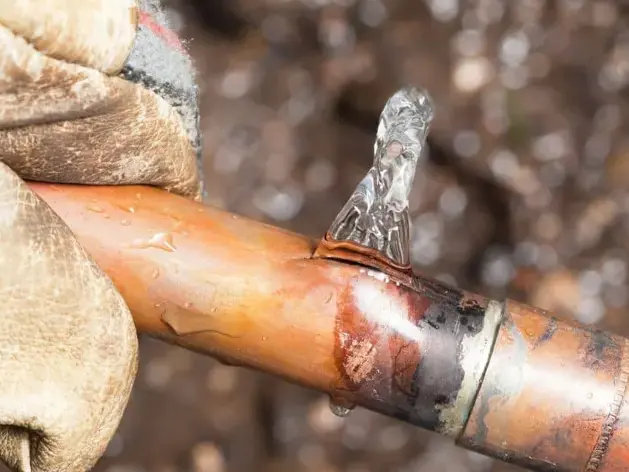
Burst Pipe Water Damage
A split supply pipe is shut off, then the soaked rooms are extracted and dried.
How it is done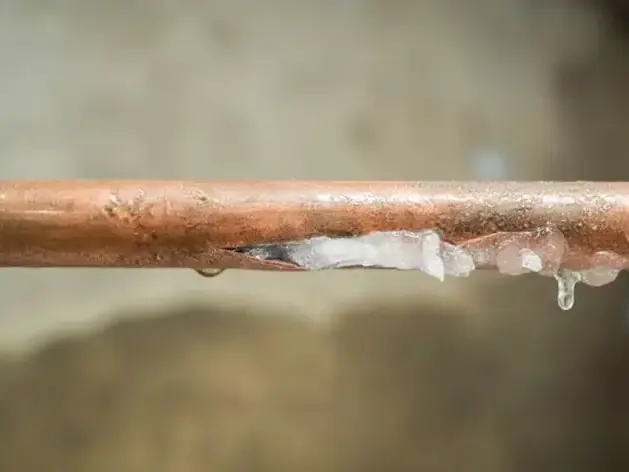
Frozen Pipe Water Damage
Pipes that froze in a garage, crawl space or outside wall leak on the thaw; the wet areas are dried.
How it is done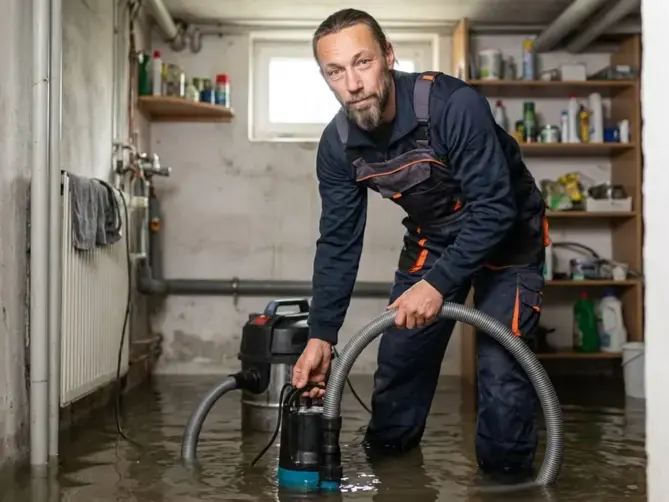
Basement Flooding Cleanup
Seepage or floodwater in a below-grade room is pumped out and the slab and walls dried.
How it is done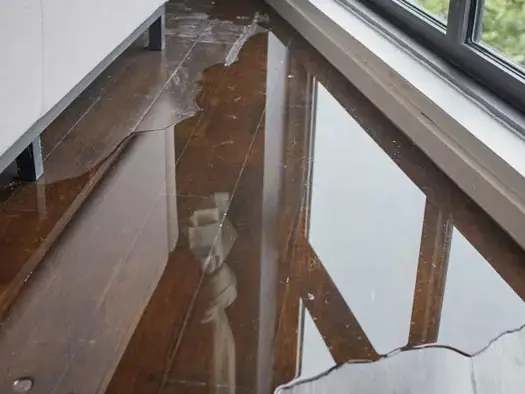
Storm Water Damage
Wind-driven rain through windows, doors or siding is extracted and the wet walls dried.
How it is done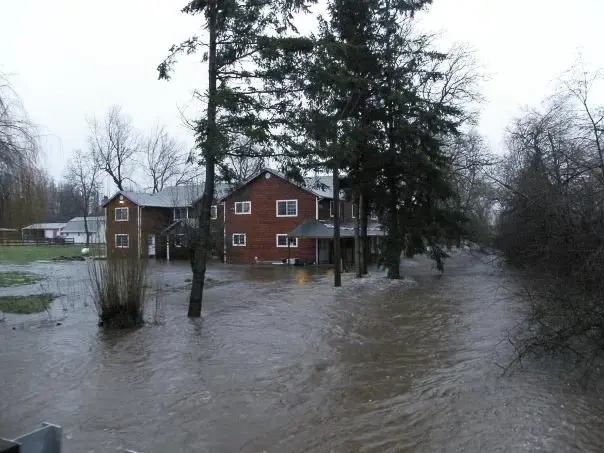
Flood Water Cleanup
River water inside a home is treated as contaminated, removed, and the structure cleaned and dried.
How it is done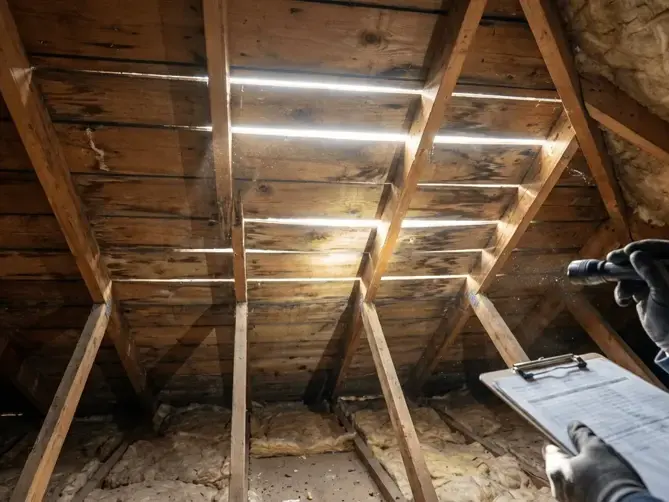
Roof Leak Water Damage
Leaks at flashing, vents or worn shingles are traced, and the wet attic and ceilings dried.
How it is done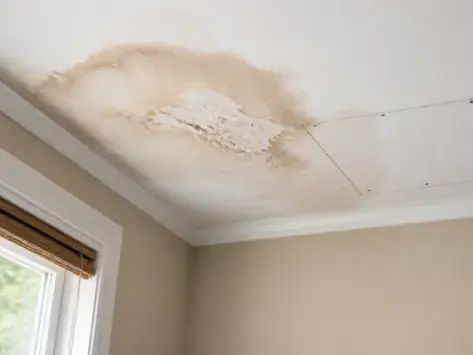
Ceiling Leak Water Damage
A stained or sagging ceiling is opened where needed and dried, and the source traced.
How it is done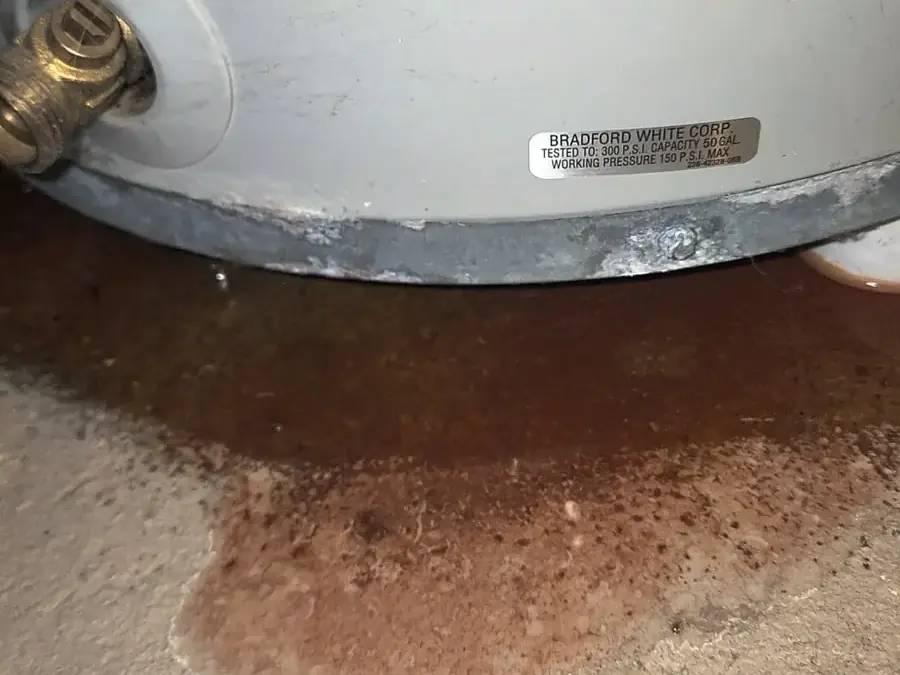
Water Heater Leak Cleanup
Water from a failed tank is extracted, and the floor and walls around it are dried.
How it is done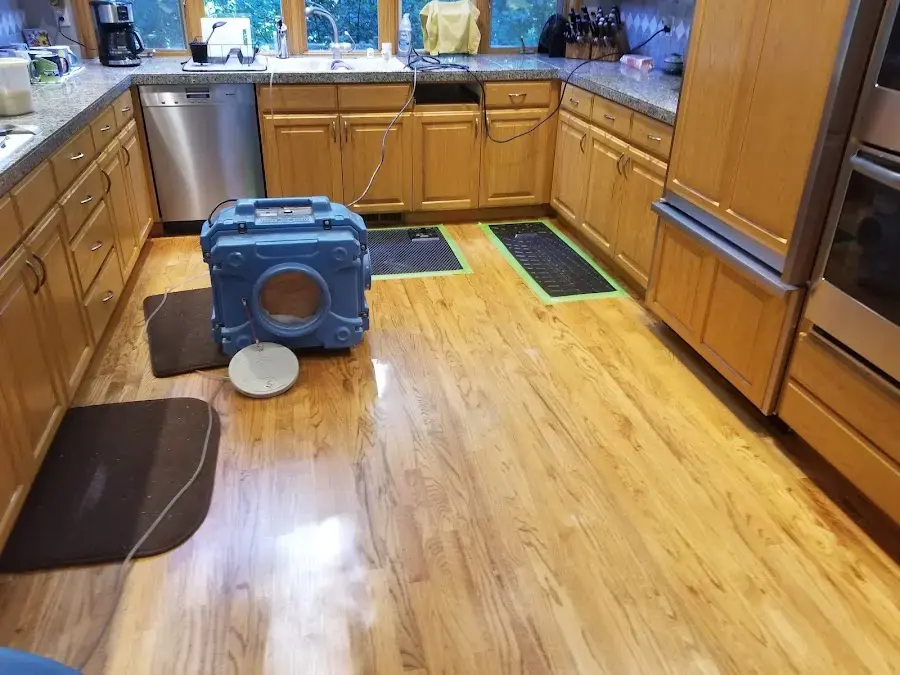
Appliance Leak Water Damage
Washer, dishwasher and refrigerator leaks are cleaned up and the floors, cabinets and subfloor dried.
How it is done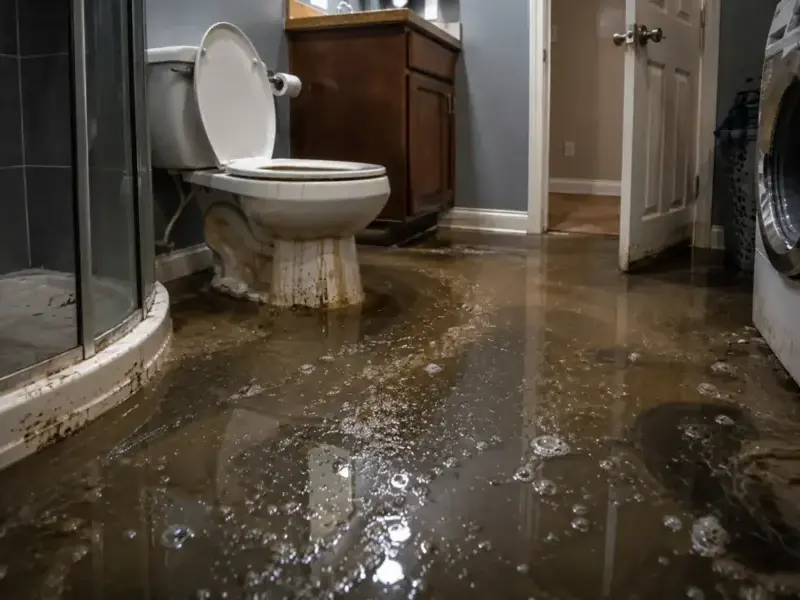
Sewage Backup Cleanup
Sewage backups are treated as contaminated water: removed, sanitized and dried with protective gear.
How it is done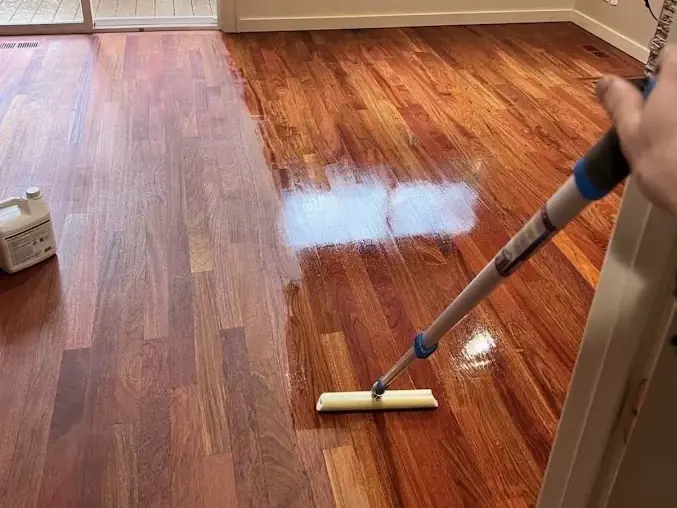
Water Extraction and Removal
Standing water is pulled out with pumps and extractors before it wicks into walls and subfloors.
How it is done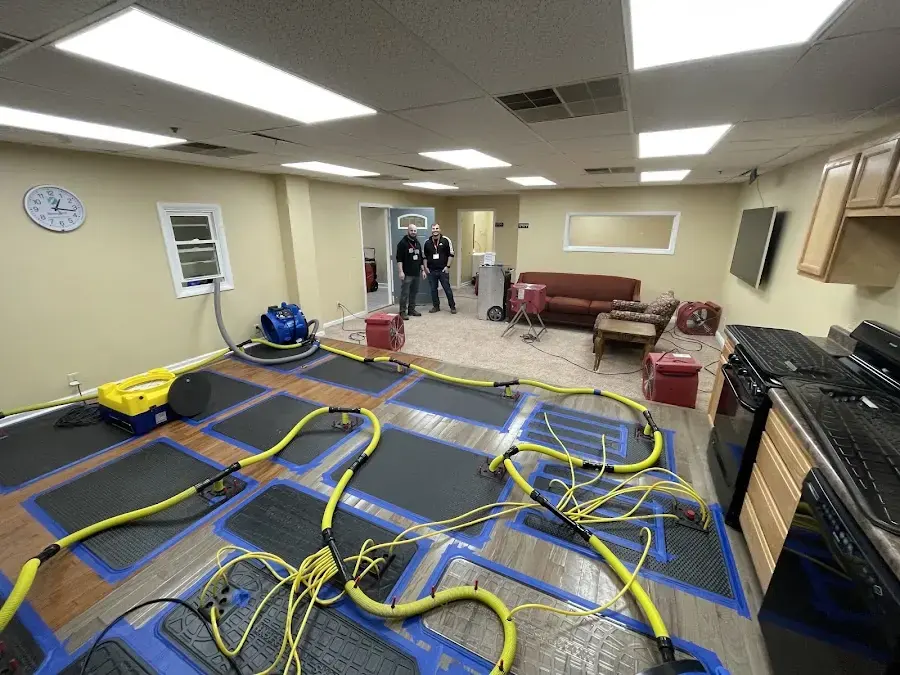
Structural Drying and Dehumidification
Wet floors, walls and framing are dried with monitored air movers and dehumidifiers until readings settle.
How it is done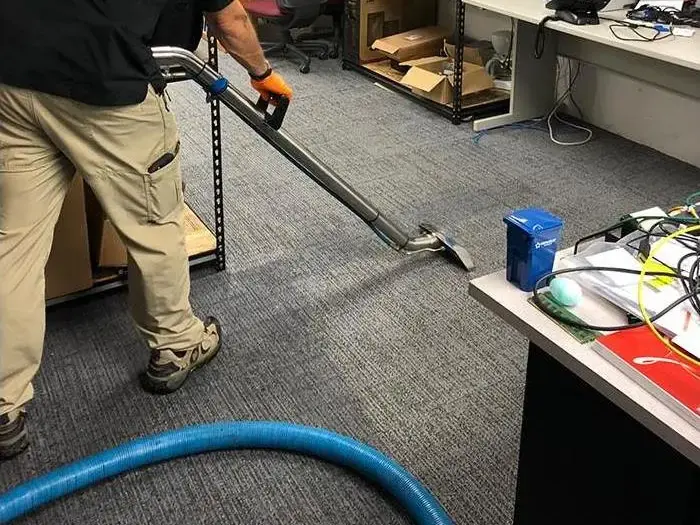
Commercial Water Damage
Shops, offices and apartment buildings get extraction and phased drying, with tenants kept working where possible.
How it is done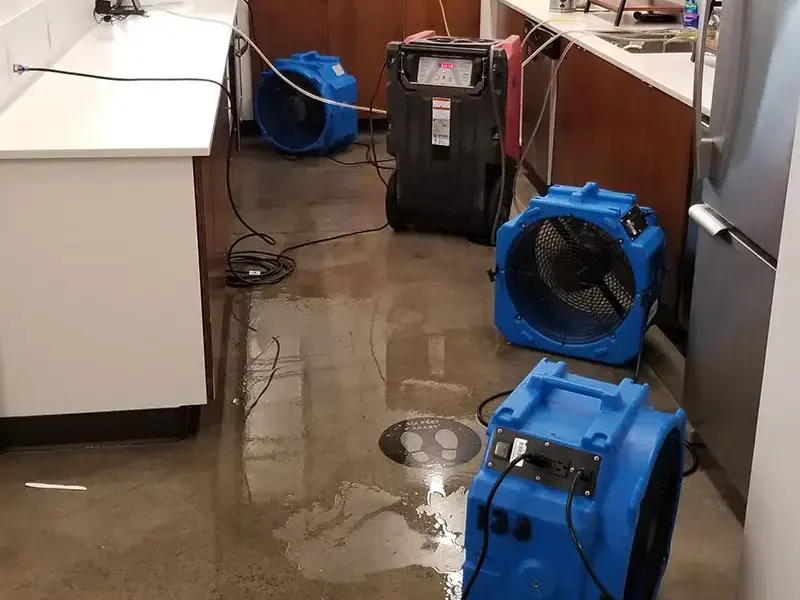
Equipment and habits built for wet-season work
Arlington sits in the Cascade Range foothills and takes about 46 inches of precipitation a year, with November and December the wettest months, so wet-season losses are routine work for a crew that dries buildings for a living and reads moisture rather than guessing.
Dispatch day and night
Pipes split and drains back up on weekends and holidays too, so crews are dispatched at any time of day.
Drying matched to the building
Slab, raised-floor and finished lower-level construction dry differently, so the equipment plan follows the structure.
Records an adjuster can use
Photos, moisture maps, daily logs and a material list are kept for every job and handed over for the claim.
Water and sewage only
Equipment, training and procedures are built around water and sewage losses, with no side work to pull crews away.
What a water loss usually costs, by size of the job
Typical jobs fall into three bands. A caught-early clean-water loss runs $1,200 to $4,500, a multi-room loss $4,500 to $12,500, and sewage or river water $9,000 to $30,000, with size and category deciding which band applies.
One room, caught early
$1,200 to $4,500
- Extraction and drying in place
- Baseboards off, walls checked
- Daily moisture readings
Several rooms or a ceiling below
$4,500 to $12,500
- Flood cuts where walls hold water
- Pad and insulation removed
- Longer equipment run
Sewage or river water
$9,000 to $30,000
- Category 3 removal and treatment
- Containment around the work
- Structure cleaned to the studs
Ranges are typical for a loss of that size, not a quote. Square footage, how long the water sat and whether the source was clean, gray or black move a job between bands more than anything else.
Drying that is measured, not guessed
Restoration follows the IICRC S500 standard: moisture is mapped before equipment is chosen, wet materials are sorted by category and class, and the structure is dried against a documented goal rather than a calendar date.
- 1
Measure first
Moisture meters and a thermal camera show how far the water traveled, and a reading is taken in unaffected areas to set the dry target.
- 2
Remove the water
Pumps and truck-mounted or portable extractors take out standing water, then soaked pad, saturated insulation and anything that cannot be saved is bagged out.
- 3
Set the drying
Air movers and low-grain dehumidifiers are placed by room class, cavities are opened or vented where moisture is trapped, and the doors and windows are kept closed.
- 4
Confirm it is dry
Daily readings are logged until each material reaches its target, and the equipment comes out only after the final readings are recorded.
Where the water came from sets the cleanup
Clean water from a supply pipe
Category 1 water from a split pipe or failed fitting starts clean, but it degrades toward gray water if the materials stay wet for a day or two.
Burst pipe water damageGray water from machines
Category 2 water from a washer, dishwasher or sink overflow carries soaps and bacteria, so porous materials it soaked are usually removed, not dried.
Appliance leak water damageBlack water and river water
Category 3 water includes sewage and river flood water, which carry pathogens and silt, so protective gear, containment and antimicrobial treatment come first.
Sewage backup cleanupDocumentation that supports a claim
Adjusters decide on what the file shows, so a complete record of a water loss matters almost as much as the cleanup itself.
- Wide and close photos of every wet room before furniture is moved
- A moisture map with dated readings from the first visit to the last
- A written list of the materials removed and why
- Equipment logs showing what ran, where and for how many days
- Plumber or repair invoices that identify the cause of the loss
What water damage restoration work looks like in Arlington
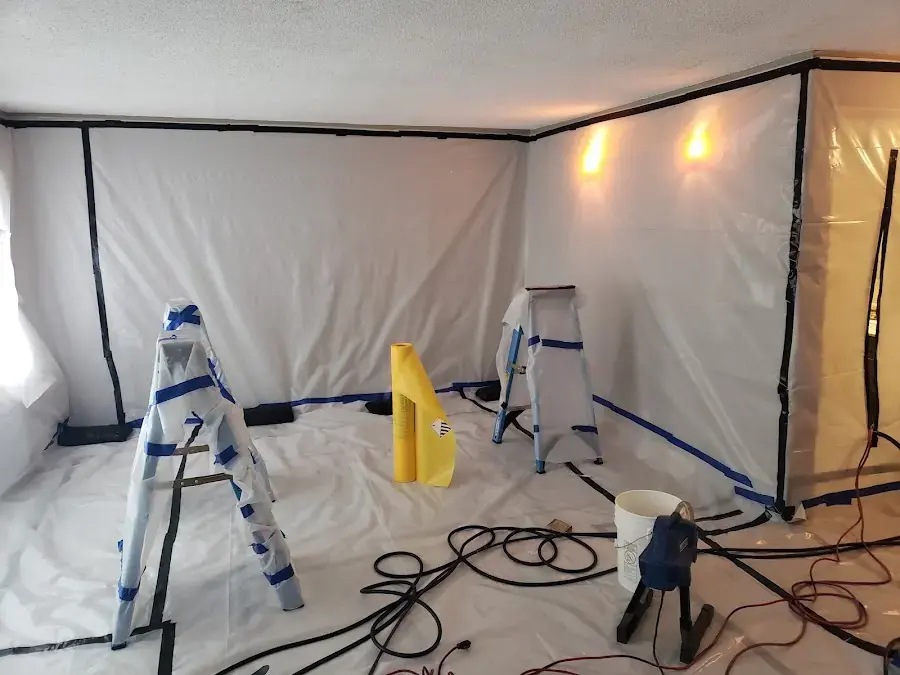
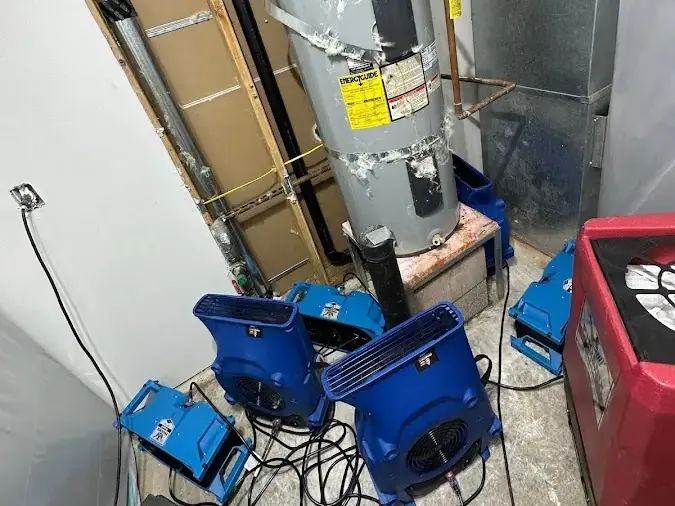
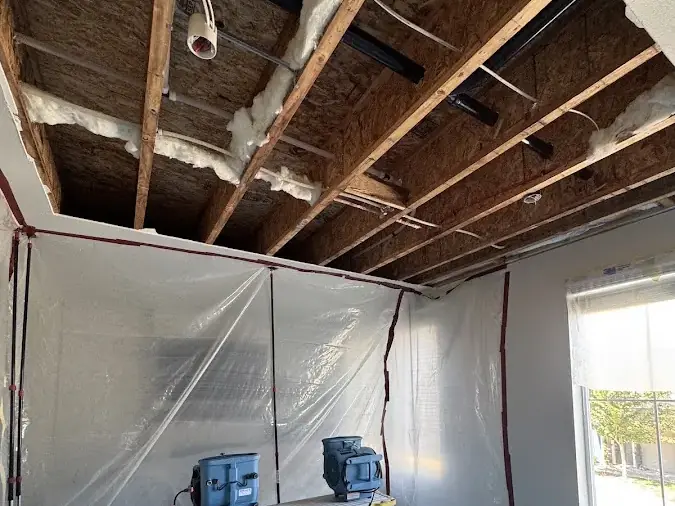
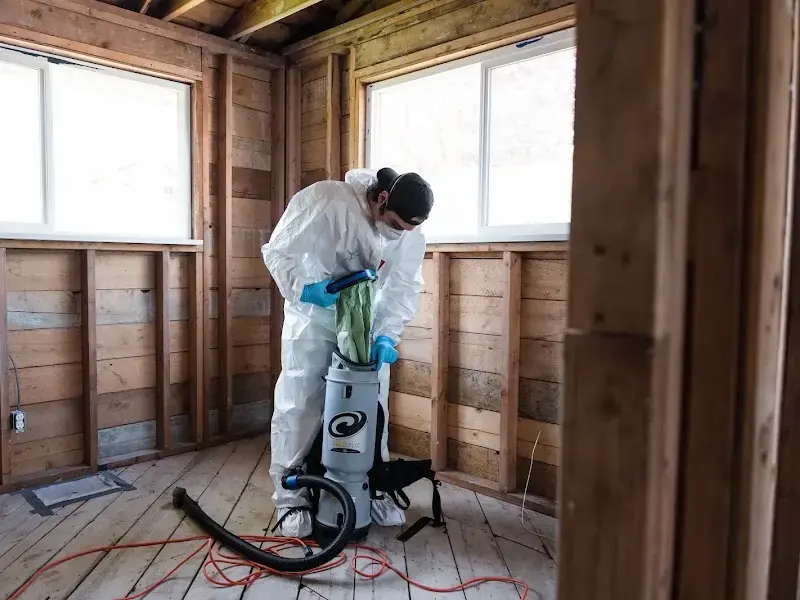
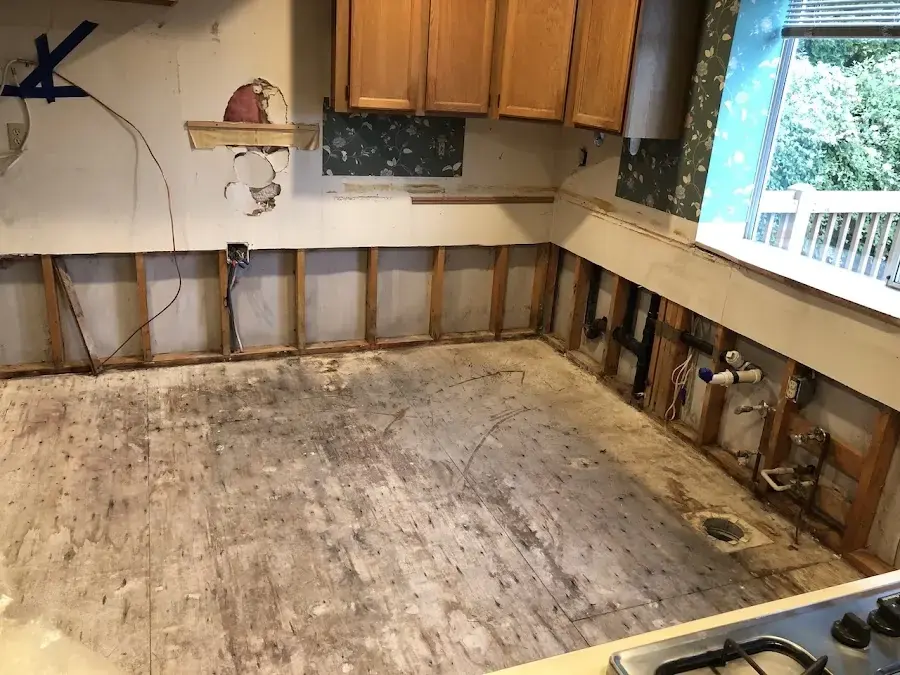
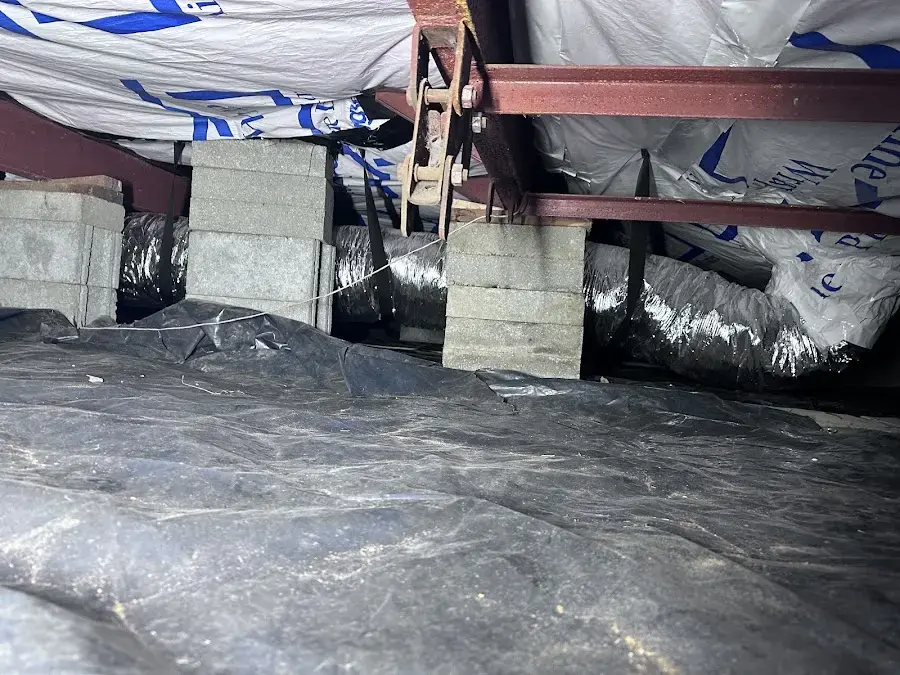
Water damage service across Arlington and Smokey Point
Arlington neighborhoods
ZIP code
Nearby towns
River height, steady rain and shared walls shape local losses
Downtown Arlington sits on a bluff above the meeting of the Stillaguamish River and its North Fork and South Fork, and the city takes about 46 inches of precipitation a year. The risks below follow from that setting and from the housing stock.
- December 2010
Stillaguamish River flooding knocked over more than a dozen concrete highway barriers along Highway 530 near Twin Rivers County Park, HeraldNet reported.
- May 24, 2021
The City of Arlington reported a broken water pipe on High Street that affected houses in the area.
- December 5, 2023
The Stillaguamish River at Arlington reached a record 21.34 feet, more than seven feet above flood stage, according to Snohomish County Emergency Management.
- December 2025
The City of Arlington posted flood alerts on December 5, 8 and 10, and the Associated Press photographed a home surrounded by flood water near Twin Rivers Snohomish County Park on December 11.
Stillaguamish River stage
The county flood table lists minor flooding at 14 feet and major flooding at 19 feet on the Arlington gauge, when deep, swift water covers many roads.
Steady rain and wind
November and December are the wettest months, about 6 inches each. On December 16, 2025 the city posted a High Wind Warning, noting that saturated soils make it easier for trees to come down.
Side sewers and drains
A City of Arlington Public Works handout puts the side sewer, from the building to the city's right of way, on the owner, and says roots can enter older clay sewer pipes.
Shared walls and rentals
About 26 percent of housing units share a building with another unit, and about 38 percent of households rent, so one failed supply pipe can reach a neighbor's home.
Arlington water damage questions
Active leak or fresh flooding?
Stopping the source and calling early limits how much has to be torn out, and the crew can talk through next steps.
(888) 509-1696Leak or flood in Arlington? Call a crewHow soon does water need to come out after a pipe bursts?
As soon as the source is stopped. Drywall, pad and framing keep absorbing, and mold can start within the first 24 to 48 hours, so extraction and drying should begin without waiting for the adjuster.
Does a standard homeowners policy cover river flood water?
Usually not. Rising river water is typically excluded from a standard homeowners policy and handled under a separate flood policy, so the wording is worth checking before any loss happens.
What is Category 3 water and why does it change the job?
Category 3 water, sometimes called black water, carries pathogens from sewage or river flooding. Porous materials it touched are removed, the area is cleaned and treated, and crews work in protective gear behind containment.
Does the city handle a sewage backup inside a house?
City crews repair problems with the city's sanitary sewer mains. The side sewer, the pipe from the building out to the city's right of way, is the owner's to maintain, so a blockage there calls for a plumber, and the cleanup is a separate job.
Do walls always have to be cut open after a leak?
No. Moisture readings decide it. Drywall that stayed dry is left alone, while wet insulation and saturated lower panels are cut out so the cavity can dry. A small flood cut costs far less than rebuilding rotted framing later.
How long does drying usually take?
One or two rooms of clean water usually dry in three to five days, while hardwood, subfloors, crawl spaces and Category 3 losses take longer. The crew stops only when moisture readings match the dry target.
Can a leak in one apartment damage the unit below?
Yes. Water follows framing, pipe chases and ceiling cavities, so a failed supply pipe upstairs often reaches the unit below, and tenants and owners both benefit from early photos and a clear record.
Does the wet winter slow drying?
Outdoor air in a mild, rainy Arlington winter carries too much moisture to help, so windows stay shut and dehumidifiers do the work. Equipment drying, not ventilation, is how wet buildings get dry through the wet season.
What should be photographed before cleanup starts?
The source of the water, every wet room from more than one angle, damaged belongings and any visible staining. Photos taken before furniture moves show an adjuster the original condition of the room.
Are businesses handled differently from homes?
Commercial work adds tenant coordination, off-peak scheduling and phased drying so a shop or office can keep operating. Preserved storefronts, retail strips and light industrial buildings each need a plan that fits how the space is used.
Water damage in Arlington gets worse while it waits
Early dry-out keeps repairs smaller and claims simpler, and every part of Arlington, from Old Town to Smokey Point, is covered by dispatch day and night.
(888) 509-1696Reach the Arlington crew day or night- Moving water handled as urgent, nights included
- Drying held to IICRC S500
- Moisture logs kept for your insurer