Commercial Water Damage in Arlington, WA
A split pipe in a storefront or a roof leak over a warehouse bay costs money for every day the doors stay shut. Arlington crews extract the water, dry the building in phases and keep records a property manager can hand to the insurer.
(888) 509-1696Business loss in Arlington? Call now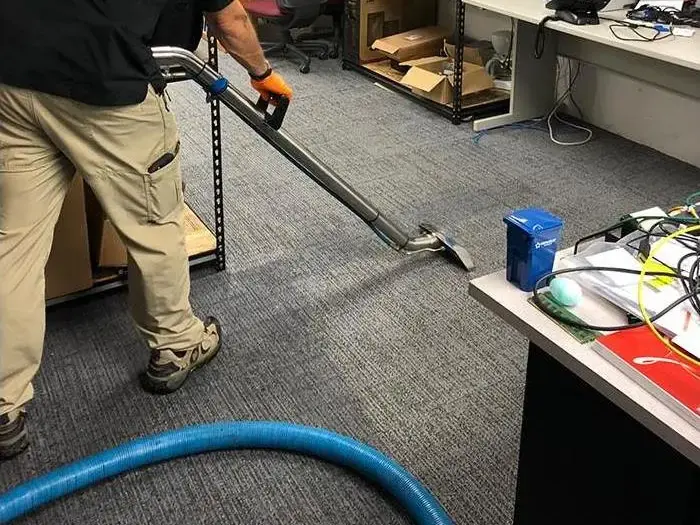
What to do first about commercial water damage in Arlington
- 1
Stop the water
Close the nearest shutoff, notify the building manager and keep staff clear of wet floors.
- 2
Protect equipment
Lift computers, stock and files, cover shelving with plastic and switch off power to wet areas.
- 3
Alert neighbors
Warn adjoining tenants so they can check shared walls and ceilings for water.
- 4
Document the loss
Photograph the source, the wet areas and damaged stock, and keep inventory lists for the claim.
What does commercial water damage cost in Arlington, WA?
One suite or storefront runs $3,500 to $9,000. Several suites or floors cost $9,000 to $25,000, and a Category 3 or large loss costs $25,000 to $75,000, with area, materials and downtime setting the number.
One suite or shop
$3,500 to $9,000
- Extraction, then drying
- Wet carpet tile pulled
- Daily meter checks
Multi-suite or multi-floor
$9,000 to $25,000
- Barriers between tenants
- Ceiling tile and drywall removed
- Drying in stages
Category 3 or big loss
$25,000 to $75,000
- Sewage or flood procedures
- Heavy equipment staging
- Extended drying, full records
These are typical ranges, never a quote. The water category, the wet square footage, the material class and how soon drying began move the total most. The water damage cost calculator narrows it for your own loss.
How the commercial water damage job runs in Arlington
The walkthrough tech takes moisture readings before a single air mover goes down, so the plan follows what is actually wet. The drying team leaves the equipment running until the meters, not the look of the room, say the job is dry.
- 1
Assess and contain
Crews map the wet area, set containment between tenants and agree access with the manager.
- 2
Extract and remove
Water is extracted, and wet carpet tile, ceiling tile and drywall that cannot dry are removed.
- 3
Dry in phases
Equipment is staged by suite, starting with the worst readings and moving outward.
- 4
Report and release
Final readings, photos and the material list go to the manager and insurer.
Different buildings, different plans
- Storefronts and strip units where tenants share walls and ceilings
- Offices with carpet tile, ceiling grid and drywall partitions
- Apartment buildings, where about 20 percent of Arlington housing units are in buildings of five or more units
- Light industrial and distribution space, where slabs and racking set the layout
Each building type gets its own water extraction method and equipment plan, based on the materials and on what must stay in service.
Staying open while drying
Containment separates the wet area from occupied space, equipment is placed to keep aisles and entrances clear, and noisy work is scheduled around opening times where the building allows.
Phased drying moves from the most affected rooms outward, so a suite can reopen in sections, and ceiling tiles, carpet tile and drywall come out in the smallest units the readings support.
Records for managers and insurers
- Photos and moisture maps for every affected suite
- A list of materials removed and equipment run
- Daily logs that show the building reaching its dry goal
Property managers and tenants often carry different policies, so unit by unit documentation keeps each claim separate and clear.
Commercial water damage in Arlington and the towns next to it
Commercial work covers ZIP 98223, including Olympic Avenue in Old Town, the Smokey Point retail corridor, Island Crossing, the Cascade Industrial Center and the airport industrial district, plus apartment buildings.
The same service nearby: commercial water damage in Lake Stevens, Marysville, Everett.
Related water damage services in Arlington
Commercial Water Damage questions in Arlington, WA
Commercial loss?
Any leak still running in Arlington is handled as urgent, day or night.
(888) 509-1696Commercial loss help in ArlingtonCan a business stay open during water damage cleanup?
Often, yes. Containment, phased drying and scheduling around opening times let many suites keep trading while the wet area is dried.
Who is responsible in a multi-tenant building?
The lease and the policies decide. The crew documents what is wet in each suite, so tenants and the building owner can show their insurers exactly which space was affected.
What happens to ceiling tiles and carpet tile?
Wet ceiling tiles and soaked carpet tile are usually removed and replaced, while the grid, slab and dry tiles can often be saved once the area is dried.
How are apartment buildings handled?
Each unit gets its own moisture map and records, because about 20 percent of Arlington housing units are in buildings of five or more units and a leak can cross several of them.
Do Category 3 losses change a commercial job?
Yes. Sewage or flood water brings containment, protective gear and disposal of porous materials, and the cost moves into the top band.
What records does a property manager receive?
Photos, moisture maps, daily readings, an equipment log and a list of removed materials, organized by suite for the insurer.
Water in a business costs money until it is dried
Containment and phased drying keep as much of the building open as possible while the structure is dried and documented.
(888) 509-1696Business water loss dispatch in Arlington- Moving water handled as urgent, nights included
- Drying held to IICRC S500
- Moisture logs kept for your insurer