Storm Water Damage in Arlington, WA
Wind-driven rain finds the weak points: window frames, door thresholds, siding seams and decks. November and December are Arlington's wettest months, and soaked walls need extraction and drying before the damp spreads.
(888) 509-1696Storm water inside? Call Arlington crews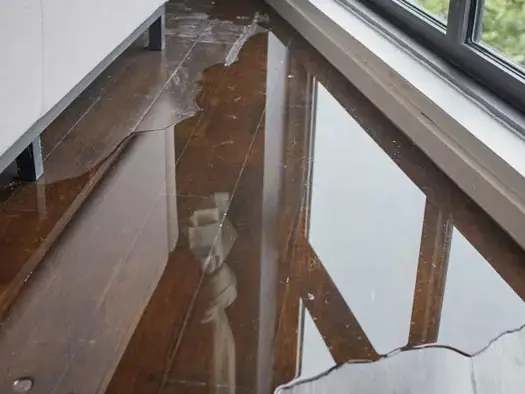
What to do first about storm water damage in Arlington
- 1
Contain the entry
Towels, tarps or plastic sheeting at the window, door or siding gap slow the water while conditions allow a safe look.
- 2
Mind falling debris
Stay clear of damaged trees, loose siding and downed wires, and report wires on the ground to the utility.
- 3
Move and protect
Pull rugs and furniture away from wet walls, lift electronics and keep wet shoes off carpet so grit is not spread.
- 4
Photograph the entry
Photograph the gap, the wet floor and the stained wall, with a note of the wind and rain that day.
What does storm water damage cost in Arlington, WA?
Water through one wall or window is commonly $1,500 to $3,500. Several walls or rooms cost $3,500 to $8,000, and widespread entry after a big storm costs $8,000 to $18,000, depending on how far water traveled.
One window or wall
$1,500 to $3,500
- Water lifted out
- Wall base opened up
- Readings each day
A few walls or rooms
$3,500 to $8,000
- Exterior wall cuts
- Soaked batts removed
- Pad swapped out
Storm entry everywhere
$8,000 to $18,000
- Many rooms opened
- Subfloors dried
- Long equipment run
These are typical ranges, never a quote. The water category, the wet square footage, the material class and how soon drying began move the total most. The water damage cost calculator narrows it for your own loss.
How the storm water damage job runs in Arlington
The walkthrough tech takes moisture readings before a single air mover goes down, so the plan follows what is actually wet. The drying team leaves the equipment running until the meters, not the look of the room, say the job is dry.
- 1
Trace the entry
Moisture is followed from the stain back to the entry gap.
- 2
Pull out the water
Standing water is extracted, and wet pad, insulation and swollen trim are removed.
- 3
Dry the walls
Air movers and dehumidifiers run against exterior walls until readings return to range.
- 4
Hand over the record
Photos, logs and a materials list go to the owner for the repair and claim.
Where storm water gets in
- Window frames and sills where caulk or flashing has aged
- Door thresholds and sliding door tracks
- Siding seams and the walls behind them
- Deck ledgers and porch connections where water runs toward the house
Water that entered through one of these points often sits inside the wall cavity, which is why a dry-looking floor can sit beside a wet wall.
Why wind changes the damage
On December 16, 2025, the City of Arlington posted a High Wind Warning and noted that saturated soils make it easier for trees to come down. A tree on a roof or fence is a separate repair job, but the rain that follows it is water damage.
Rain that arrives with wind also reaches places ordinary showers do not, so a storm claim often lists several small entry points rather than one large one.
What the crew handles
- Water extraction from flooring, baseboards and carpet pad
- Flood cuts along exterior walls where insulation holds water
- Structural drying of walls, subfloor and trim until readings hold
Roof, window and siding repairs belong to the right trade, and the crew documents the wet areas so the repair and the claim match.
Storm water damage in Arlington and the towns next to it
Storm entry jobs are handled across ZIP 98223, from Old Town and Arlington Bluff to Kent Prairie, Hilltop, High Clover Park and Smokey Point, for windows, doors, siding and decks alike.
The same service nearby: storm water damage in Lake Stevens, Marysville, Everett.
Related water damage services in Arlington
Storm Water Damage questions in Arlington, WA
Storm water inside?
Any leak still running in Arlington is handled as urgent, day or night.
(888) 509-1696Storm entry help across ArlingtonIs storm water damage covered by homeowners insurance?
Rain that enters through a storm-damaged roof, window or wall is often covered, while seepage from poor maintenance may not be. The adjuster decides, so document the entry point and the damage.
How can a dry floor still hide a wet wall?
Water that came in through siding or a window frame runs down inside the cavity, wetting insulation and the bottom plate while the floor looks fine. Moisture meters and thermal imaging find it.
Does the wet season make storm leaks more likely?
Steady rain tests every seal. Arlington averages about 46 inches of precipitation a year, with November and December the wettest months, and wind-driven rain reaches gaps that ordinary showers miss.
Should wet carpet be pulled up after a storm leak?
Wet pad is removed because it holds water against the subfloor, while the carpet itself can often be dried and reinstalled if the water was clean and caught early.
Should wet insulation be left in the wall to dry?
Usually not. Wet batts hold water against the sheathing and framing for a long time, so they are removed from the affected section and replaced after the cavity reads dry.
When can the window or siding be repaired?
As soon as it is safe. Repairs need not wait for drying, but the framing behind them should read dry before it is closed in.
Rain that came in with the wind keeps soaking the wall
The crew traces the entry, extracts the water, dries the walls and records everything the adjuster will ask about.
(888) 509-1696Wind and rain dispatch for Arlington- Moving water handled as urgent, nights included
- Drying held to IICRC S500
- Moisture logs kept for your insurer