Storm Water Damage in Everett, WA
Everett sits at the north end of the Puget Sound Convergence Zone, where storms bring heavier rain and stronger wind. When that rain gets past siding, a window or a roof edge, crews extract it and dry the wet structure.
(888) 509-1696Everett storm water help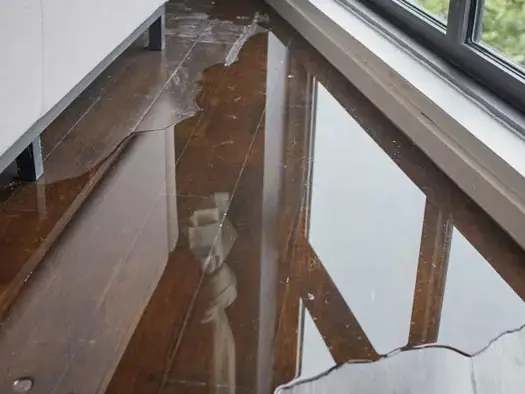
What to do first about storm water damage in Everett
- 1
Limit the spread
Place towels or a wet vacuum at the entry point, and move furniture away from wet walls and windows.
- 2
Protect the opening
If it is safe, cover the opening with a tarp or plastic until a repair can be made.
- 3
Photograph everything
Photograph the entry point, wet walls, stained ceilings and floors, and save the date of the storm for the claim.
- 4
Call for extraction
Tell the crew which walls and rooms are wet so the right pumps, moisture meters and air movers go on the truck.
What does storm water damage cost in Everett, WA?
A storm leak at one wall or window costs $1,500 to $3,500. Several walls or rooms run $3,500 to $8,000, and widespread entry after a major storm can reach $8,000 to $18,000.
One wall or window
$1,500 to $3,500
- Water extracted
- Wall bottoms checked
- Readings each visit
Several walls or rooms
$3,500 to $8,000
- Flood cuts on exterior walls
- Wet insulation removed
- Wet carpet pad removed
Widespread storm entry
$8,000 to $18,000
- Several rooms opened up
- Subfloor and wall drying
- Longer equipment run
These are typical ranges, never a quote. The water category, the wet square footage, the material class and how soon drying began move the total most. The water damage cost calculator narrows it for your own loss.
How the storm water damage job runs in Everett
The walkthrough tech takes moisture readings before a single air mover goes down, so the plan follows what is actually wet. The drying team leaves the equipment running until the meters, not the look of the room, say the job is dry.
- 1
Check the envelope
Meters and a thermal camera trace rain from the entry point through siding, cavities and flooring.
- 2
Extract the water
Standing water is pulled from floors and carpets, and wet pad and insulation are removed.
- 3
Dry the structure
Air movers and dehumidifiers run until exterior walls, subfloor and flooring read dry.
- 4
Report the loss
Readings, photos and an entry point note go to the adjuster with the equipment log.
Where storm water ends up
Water that enters at a window or exterior wall runs down inside the cavity and collects at the bottom plate, behind baseboards and under flooring. Because it hides there, surfaces that look dry can still read wet with a meter. That hidden path is why moisture mapping comes before any demolition.
- Baseboards are pulled and wall bottoms probed along every exterior wall
- Insulation that took on water is removed because it stays wet for days
- Flooring and subfloor near the entry point are metered and dried with mats or ports
Storm damage versus a flood
Rain that comes through the building envelope is different from river or slough water rising from the outside. The first is usually treated as clean or gray water, while the second is flood water and handled as contaminated.
What the adjuster needs
Photos of the entry point and the wet finishes, the date of the storm and the moisture readings from each visit give the adjuster a clear sequence. Temporary repairs such as a tarp are worth documenting too, and a leak through the roof follows the same steps as any roof leak.
Storm water damage in Everett and the towns next to it
Storm entry is handled throughout ZIP codes 98201, 98203, 98204 and 98208, with neighborhoods like Rucker Hill, Boulevard Bluffs, Pinehurst, Beverly Park, Silver Lake, Holly and South Forest Park in the work area.
The same service nearby: storm water damage in Lake Stevens, Snohomish, Marysville.
Related water damage services in Everett
Storm Water Damage questions in Everett, WA
Storm water inside?
Any leak still running in Everett is handled as urgent, day or night.
(888) 509-1696Everett storm damage helpHow wet does Everett get?
Everett averages about 35.71 inches of rain a year, mostly from October to March. That stretch is also when wind-driven rain tests every window, siding seam and roof edge.
Does insurance pay for storm water that came through a window?
Wind-driven rain entering through a damaged opening is often covered, while seepage or rising water usually is not. Adjusters ask when the storm hit and how the water got in.
Should owners wait for the rain to stop before calling?
No. Extraction and drying can start while the weather is still bad, because wet drywall and insulation keep absorbing water. A tarp over the opening keeps new rain out in the meantime.
Have storms been declared disasters in Snohomish County?
Yes. Federal declarations covered storms and flooding in December 2025, November 2022 and November 2015. A declaration does not mean every home was damaged, and each loss is assessed on its own.
Can wet insulation in an exterior wall dry on its own?
Rarely. Insulation holds water against the sheathing and framing for days, which invites swelling and odor. It is usually removed from the wet section so the cavity can dry with airflow.
How long does storm water damage take to dry?
One wall or window usually dries in three to five days, while several rooms or soaked subfloor takes longer. The moisture log, not the calendar, decides when the equipment goes out.
Wind-driven rain keeps soaking walls and floors after the storm passes
A crew extracts the water, opens walls that hold it and dries the framing and floors the storm reached in Everett.
(888) 509-1696Get a storm crew to Everett- Moving water handled as urgent, nights included
- Drying held to IICRC S500
- Moisture logs kept for your insurer