Flood Water Cleanup in Everett, WA
Everett is bordered by Port Gardner Bay and the Snohomish River delta. Water from a river, slough or bay that gets inside is contaminated, so crews extract it, remove what it touched and dry the structure.
(888) 509-1696Everett flood water help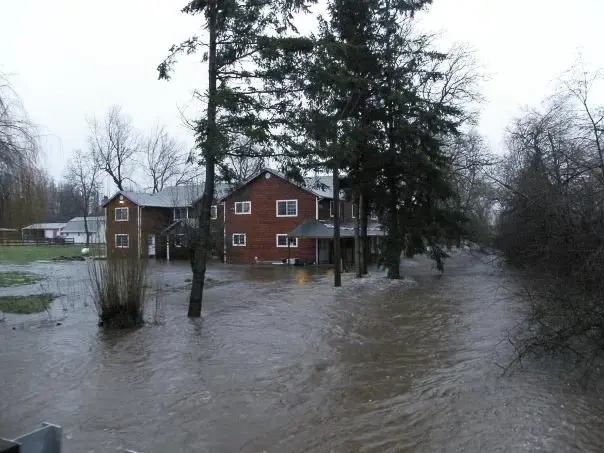
What to do first about flood water cleanup in Everett
- 1
Stay out of the water
Flood water can hide sharp debris, sewage and live electrical hazards, so switch off power only from a dry spot.
- 2
Move valuables up
Lift documents, electronics and keepsakes to a dry, high spot, and wear boots and gloves if anything must be handled.
- 3
Photograph the damage
Take wide and close photos of the high water mark, the wet rooms and damaged belongings before any cleanup begins.
- 4
Call the insurer and a crew
Report the loss to the insurer, and call a crew that handles contaminated water so extraction starts before the structure soaks it up.
What does flood water cleanup cost in Everett, WA?
Flooding in a garage or crawl space runs $3,000 to $8,000. One floor of a home is $8,000 to $20,000, and deep or long-standing water can reach $20,000 to $45,000.
Garage or crawl space
$3,000 to $8,000
- Pump-out and silt removal
- Antimicrobial treatment
- Under-floor drying
One floor of a home
$8,000 to $20,000
- Flood cuts and insulation out
- Carpet and pad removed
- Framing cleaned and dried
Deep or long-standing water
$20,000 to $45,000
- Rooms gutted to the studs
- Containment throughout
- Longer drying, more readings
These are typical ranges, never a quote. The water category, the wet square footage, the material class and how soon drying began move the total most. The water damage cost calculator narrows it for your own loss.
How the flood water cleanup job runs in Everett
The walkthrough tech takes moisture readings before a single air mover goes down, so the plan follows what is actually wet. The drying team leaves the equipment running until the meters, not the look of the room, say the job is dry.
- 1
Assess and protect
Crews put on protective gear, set containment and measure the water before anything is moved.
- 2
Extract and remove
Pumps clear the water, then silt, soaked pad, insulation and low drywall are removed.
- 3
Clean and treat
Framing, slab and subfloor are cleaned and treated with an antimicrobial before drying begins.
- 4
Dry and verify
Air movers and dehumidifiers run until readings match dry reference points.
Why flood water is treated differently
Flood water carries soil, sewage and runoff from yards and roads, so it is treated as contaminated whatever it looks like. That changes the order of work: protective gear and containment first, removal of anything porous second and cleaning and treatment before any drying begins.
- Silt, mud and debris are shoveled and vacuumed out before treatment
- Flood cuts open walls so insulation can be removed and cavities cleaned
- Antimicrobial is applied to framing and slab before air movers are set
Everything that touched the water is photographed before it goes in the bin, so the claim has a record of what was lost.
Levees and the flood maps
Snohomish County says levees on Steamboat Slough and Union Slough in Everett and on Ebey Island near Everett are non-accredited, so their landward sides keep the current flood hazard designation on the new flood maps.
Insurance for flood losses
The same county fact sheet cautions that most homeowners insurance policies exclude flood damage, so owners with a separate flood policy should call the insurer first and keep every photo, reading and invoice.
Flood water cleanup in Everett and the towns next to it
Flood cleanup is available throughout Everett, covering ZIP codes 98201, 98203, 98204 and 98208 and neighborhoods from Bayside, Port Gardner and Northwest Everett to Westmont, Eastmont and Silver Lake.
The same service nearby: flood water cleanup in Lake Stevens, Snohomish, Marysville.
Related water damage services in Everett
Flood Water Cleanup questions in Everett, WA
Water coming in from outside?
Any leak still running in Everett is handled as urgent, day or night.
(888) 509-1696Everett flood water helpCan carpet, pad or drywall be saved after flood water?
Carpet, pad, insulation and low drywall that touched flood water are removed and discarded. Hard materials such as concrete, tile and solid framing can be cleaned, treated and dried in place.
Should the insurer or the cleanup crew be called first?
Both. The insurer opens the claim, while the crew documents the water category, photographs losses and starts extraction, since delay lets the damage spread.
How does flood cleanup differ from storm water cleanup?
Storm water comes through the roof, walls or windows and is often clean or gray. Flood water comes up from the ground, a river, a slough or the bay, and the protocol adds protective gear, containment and antimicrobial.
How long does flood cleanup take?
Removal and cleaning take the first few days, and drying then runs several more, depending on how many rooms were affected. Readings decide the finish.
Can belongings be saved after a flood?
Hard items such as glass, metal and plastic can be cleaned and disinfected. Upholstery, mattresses, stuffed items and paper that touched flood water are usually discarded, and photographs of each are saved for the claim.
Is flood water the same as a sewage backup?
Both are contaminated, but the sources differ. Flood water enters from outside, while a sewage backup rises through drains from inside the sewer system, and each raises its own insurance question.
Flood water in a building keeps soaking in until it is pumped out
A crew in protective gear extracts the water, removes what it soaked and treats and dries the Everett structure before rebuilding starts.
(888) 509-1696Send a flood crew to Everett- Moving water handled as urgent, nights included
- Drying held to IICRC S500
- Moisture logs kept for your insurer