Flood Water Cleanup in Snohomish, WA
River floodwater carries mud, bacteria and debris into a home, so it is handled as contaminated water. Snohomish crews remove it, clean the framing and dry the structure with readings recorded throughout.
(888) 509-1696River flood dispatch for Snohomish homes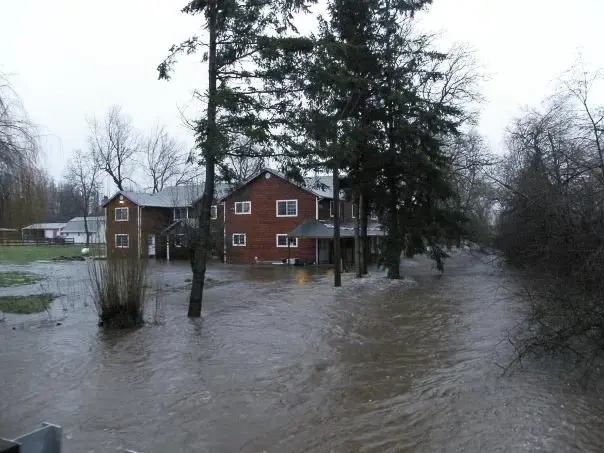
What to do first about flood water cleanup in Snohomish
- 1
Get clear of the water
Anyone in a flooded home stays out of the water and away from power until the area is made safe and the depth is checked.
- 2
Document, then remove
Photos and measurements come first, then water and mud are pumped, shoveled and vacuumed out of the structure.
- 3
Strip and sanitize
Porous materials are discarded, and the exposed framing and slab are cleaned and treated with antimicrobial products.
- 4
Dry and verify
Dehumidifiers and air movers run under daily readings until the structure matches dry reference values.
What does flood water cleanup cost in Snohomish, WA?
Garage or crawl space flooding runs $3,000 to $8,000, one floor of a home $8,000 to $20,000, and deep or long-standing water $20,000 to $45,000, mostly from how much has to be gutted.
Garage or crawl space flooding
$3,000 to $8,000
- Pump down and mud removal
- Antimicrobial treatment
- Crawl space drying
One floor of a home
$8,000 to $20,000
- Flood cuts and insulation out
- Carpet and padding discarded
- Framing cleaned and dried
Deep or long-standing flood water
$20,000 to $45,000
- Rooms gutted to the studs
- Containment throughout
- Longer drying and more readings
These are typical ranges, never a quote. The water category, the wet square footage, the material class and how soon drying began move the total most. The water damage cost calculator narrows it for your own loss.
How the flood water cleanup job runs in Snohomish
The walkthrough tech takes moisture readings before a single air mover goes down, so the plan follows what is actually wet. The drying team leaves the equipment running until the meters, not the look of the room, say the job is dry.
- 1
Assess the hazard
Depth, contamination and power are checked, and the loss is photographed before anything moves.
- 2
Remove water and mud
Pumps, wet vacuums and shovels clear the structure, starting with the lowest areas.
- 3
Clean and treat
Framing and slab are scrubbed and treated, and porous materials are bagged and hauled away.
- 4
Dry and report
Equipment runs until readings are normal, and the adjuster gets photos, logs and the scope.
What the river leaves behind
Floodwater arrives with mud, bacteria and debris from streets, yards and storm drains. Anything porous that it touched, such as carpet, padding, insulation and low drywall, is usually discarded, because cleaning cannot reliably remove what soaks deep into those materials.
- Standing water is pumped out and mud is shoveled and vacuumed from floors.
- Studs, sill plates and subfloor are cleaned and treated before drying.
- Contents are sorted into what can be cleaned and what must go.
- Protective gear and containment keep the dirty work away from clean rooms.
Reading the river and the gauge
Snohomish County's gauge notes say the river bank is full at 25 feet, the water approaches the top of every dike at 30 feet, and major flooding covers all areas at 33 feet. The city's plan adds that Lincoln Avenue floods once the river reaches 25 feet.
After the December 2025 crest, the riverside Public Works yard and Pilchuck Park went under water, and police closed the Avenue D bridge and Airport Way. The wastewater treatment plant stayed in good condition.
After the water goes down
Dry-out starts only after the contaminated materials are out, and structural drying equipment runs until the structure reads normal. Documentation matters from the first photo.
Flood water cleanup in Snohomish and the towns next to it
Flood cleanup covers the ZIP codes 98290, 98291 and 98296, from Downtown and the Historic District to Dutch Hill, Central West, North Lake and homes around Pilchuck Park and the Centennial Trail.
The same service nearby: flood water cleanup in Lake Stevens, Everett, Monroe.
Related water damage services in Snohomish
Flood Water Cleanup questions in Snohomish, WA
River water inside the house?
Any leak still running in Snohomish is handled as urgent, day or night.
(888) 509-1696River flood dispatch in SnohomishIs river floodwater really that dangerous?
Yes. It can carry runoff, sewage and debris, so it counts as Category 3 even when it looks like plain mud. Protective gear and containment are used, and nothing porous is kept.
How high does the Snohomish River have to get to flood Lincoln Avenue?
The city's emergency plan says Lincoln Avenue floods at 25 feet on the gauge. The county's gauge notes describe the bank as full at that level.
Does the cleanup change after a record flood?
The method stays the same whatever the crest. The December 2025 record of 34.15 feet topped the 1990 mark of 33.5 feet, and deeper, longer contact with water means more materials are lost and drying takes longer.
Is flood damage covered by homeowners insurance?
Standard homeowners policies usually exclude rising water, so flood coverage is typically a separate policy. FEMA's updated rate maps for the Snohomish and Pilchuck Rivers took effect in June 2020.
Can anything in a flooded home be saved?
Hard, nonporous items and solid framing can usually be cleaned and dried. Carpet, padding, insulation, upholstered furniture and food are discarded.
When does drying begin after floodwater is removed?
Once the contaminated materials are out and the surfaces are cleaned and treated. Drying a structure that is still holding mud and dirty padding only spreads the problem.
River water left in a Snohomish home gets harder to clean
Say which floors the water reached and whether it came from the river or a drain, and dispatch will prepare pumps, protective gear and drying equipment.
(888) 509-1696Flood cleanup help in Snohomish- Moving water handled as urgent, nights included
- Drying held to IICRC S500
- Moisture logs kept for your insurer