Crawl Space Water Removal in Monroe, WA
Water under a raised floor rarely stays put. Crews pump the space out, pull wet insulation and dry the joists and subfloor, with readings logged until the framing is back to normal.
(888) 509-1696Call about a wet Monroe crawl space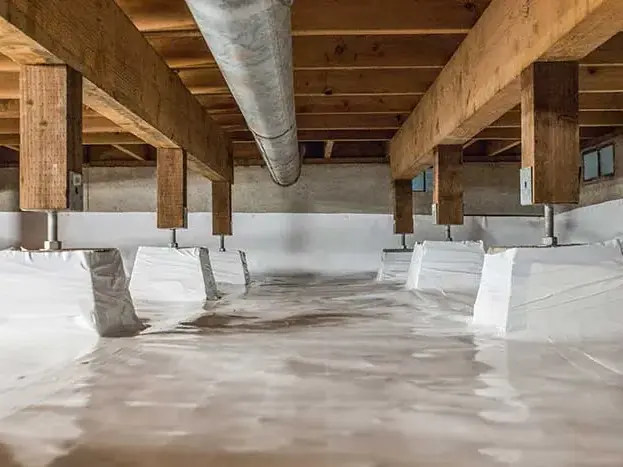
What to do first about crawl space water removal in Monroe
- 1
Keep power off under the floor
Switch off circuits that run through the crawl space, and stay out while water stands near wiring or a sump pump cord.
- 2
Find out if water is still coming in
Check for a split pipe, a stopped sump pump or runoff pooling at the foundation, and close the main water valve if a pipe is the cause.
- 3
Photograph the space from the access door
Wide shots of the water, the insulation and any stored items give an adjuster a clear record before anything moves.
- 4
Leave the entry to a trained crew
Standing water, loose insulation and tight framing make a crawl space hazardous, so pump-out and removal are best left to technicians with protective gear.
What does crawl space water removal cost in Monroe, WA?
Crawl space water removal in Monroe usually runs from $1,800 for a straightforward pump-out up to $18,000 when contaminated or long-standing water has soaked the insulation and framing, with the size of the space setting the rest.
Water out, framing dried
$1,800 to $4,000
- Pumping and wet vacuuming
- Fans and dehumidifier below the floor
- Joist moisture checked daily
Insulation removed too
$4,000 to $8,500
- Soaked batts bagged out
- Torn barrier cut away
- Extra joist and subfloor drying
Dirty or long-standing water
$8,500 to $18,000
- Category 3 cleaning and sanitizer
- Silt and debris vacuumed out
- Containment and longer drying
These are typical ranges, never a quote. The water category, the wet square footage, the material class and how soon drying began move the total most. The water damage cost calculator narrows it for your own loss.
How the crawl space water removal job runs in Monroe
The walkthrough tech takes moisture readings before a single air mover goes down, so the plan follows what is actually wet. The drying team leaves the equipment running until the meters, not the look of the room, say the job is dry.
- 1
Assess the space
The crew checks the access, tests moisture in joists and subfloor, and sorts the water as clean, gray or contaminated.
- 2
Pump and clear
Submersible pumps and wet vacuums clear the standing water, then soaked insulation and torn barrier are bagged and carried out.
- 3
Dry the structure
Fans and a dehumidifier dry joists, subfloor and ducts, and the equipment is adjusted as readings fall.
- 4
Verify and document
Final readings, photos and the drying log are saved, and new insulation or barrier waits until the wood is dry.
What comes out of a wet crawl space
- Insulation batts that are soaked, sagging or pulling away from the floor above are bagged and removed.
- A vapor barrier that is torn, bunched or holding water is lifted so the ground beneath can be cleaned.
- Silt and debris left by moving water are vacuumed out before any drying equipment goes in.
- Wet cardboard, stored boxes and scrap lumber go too, because they hold moisture for weeks.
Removal comes before drying because wet material left in place keeps feeding moisture back into the joists, and no dehumidifier can win against a soaked batt hanging under the floor.
Why the floor above gets checked too
Moisture does not stay below. Vapor from a wet crawl space climbs through gaps around pipes and ducts, settles into the subfloor and can lift the finish on hardwood or loosen vinyl on the main level.
That is why readings are taken at the joists, the subfloor and the baseboards in the rooms above, not only under the house, and why drying continues until all three agree.
When a pump-out should not wait
- Water is deep enough to touch insulation or reach the underside of the floor.
- A musty smell, a soft spot or a cold, damp floor shows up in rooms above.
- A storm has cut the power, so the sump pump is not running.
Any of these means the water is already working on the wood, so removal and structural drying belong on the same visit.
Crawl space water removal in Monroe and the towns next to it
Crawl space jobs in 98272 reach Downtown Monroe, Fryelands, Lake Tye, North Kelsey, Park Place and Chain Lake Estates, along with properties near Woods Creek and the Skykomish River.
The same service nearby: crawl space water removal in Lake Stevens, Snohomish, Everett.
Related water damage services in Monroe
Crawl Space Water Removal questions in Monroe, WA
Still deciding about a pump-out?
Any leak still running in Monroe is handled as urgent, day or night.
(888) 509-1696Monroe crawl space crews, nights includedCan a wet crawl space dry out on its own?
Rarely. A closed, shaded space with damp outdoor air holds moisture, and wet insulation keeps releasing it into the joists, so water extraction and mechanical drying are the dependable route.
Does wet insulation have to be removed?
Usually. Soaked batts lose their grip, sag away from the floor and hold water against the wood, so they are bagged out and replaced once the framing is dry.
Why does water keep returning after a pump-out?
A repeat fill points to an ongoing source such as a leaking pipe, a stopped sump pump or runoff pooling beside the foundation. The crew notes the pattern so a plumber or contractor can fix the cause.
Is a sump pump enough on its own?
A sump pump moves water out but does not dry wood, insulation or air. It also needs power, and the City of Monroe lists winter storms among the events that cause outages, so drying equipment is still needed afterward.
What kind of rain pushes water into a crawl space?
The city ties flooding conditions to rainfall beyond roughly 4 inches over a single day on ground earlier storms already soaked. Gradual seepage can also build over weeks of ordinary wet season rain.
What does the vapor barrier do?
A plastic barrier over the ground keeps moisture from rising into the wood. Torn or bunched sections let moisture through, and any section holding water is lifted, cleaned or replaced during the job.
A wet crawl space keeps soaking the floor above it
Pump-out, insulation removal and drying follow one plan, and daily readings show exactly when the joists and subfloor are dry again.
(888) 509-1696Crawl space help for Monroe homes- Moving water handled as urgent, nights included
- Drying held to IICRC S500
- Moisture logs kept for your insurer